





Check Your Vehicle Before You Leave
A safe trip begins before you even start the engine. The monsoon demands more from your car, so a thorough check is non-negotiable. Ensure your tyres have adequate tread depth to grip the wet, slippery roads and reduce the risk of aquaplaning, where your car loses
contact with the road surface. Your headlights, taillights, and fog lamps must be in perfect working order to combat the dense fog and low visibility common in the ghats. Finally, check your wiper blades. Worn-out wipers will only smear water across the windshield, dangerously obscuring your vision during a downpour. Replace them if they are not clearing the glass effectively. A well-maintained vehicle is your first and best line of defence against the challenges of monsoon driving.
Beware of Landslides and Falling Rocks
The hills of the Western Ghats are prone to landslides during heavy rains. Both the main Mumbai-Pune Expressway and the old highway have sections, particularly near Khandala and Adoshi tunnel, that are known risk areas for falling boulders and mudslides. While authorities work to clear debris, these events can cause significant traffic disruptions and are extremely dangerous. Pay attention to warning signs and be vigilant, especially on stretches with steep hillsides. If you see a small trickle of mud or a few falling pebbles, it could be a precursor to a larger slide. It is safer to wait for it to pass or turn back if possible. Avoid parking your vehicle in hazardous spots along the ghat sections.
Navigate Waterlogged Roads with Extreme Caution
Intense downpours can lead to severe waterlogging, even on the expressway. Low-lying areas can flood within minutes, submerging the road in knee-deep water. Never drive through flowing water, as it's impossible to judge its depth or the condition of the road underneath. The surface could be washed away, or there could be hidden potholes. Driving through stagnant water also carries the risk of your car stalling or aquaplaning. If you encounter a waterlogged patch, it is always best to stop at a safe location and wait for the water to recede or find an alternate route. Authorities often halt traffic during severe waterlogging as a safety measure.
Master Safe Driving Techniques for the Ghats
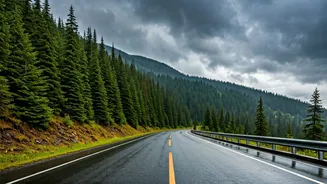
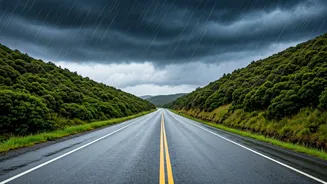
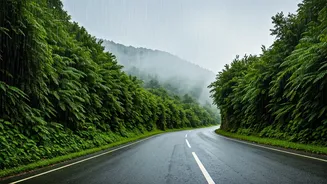
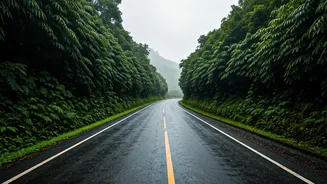
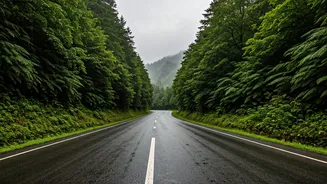
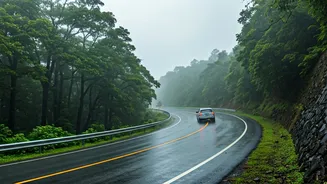
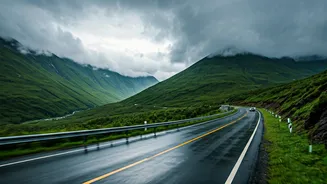
The combination of rain, fog, and winding roads demands a change in your driving style. Reduce your speed significantly; it is the single most important adjustment you can make. Wet roads dramatically increase your braking distance, so maintain a much larger gap than usual between your vehicle and the one ahead. Avoid sudden braking, sharp turns, and quick acceleration, as these actions can easily lead to a skid on the slippery basalt rock roads. Use your headlights on a low beam setting during both rain and fog to ensure other drivers can see you without being blinded. Driving at night is best avoided if possible due to the compounded risk of low visibility and unexpected hazards.
Combat Poor Visibility from Fog and Rain
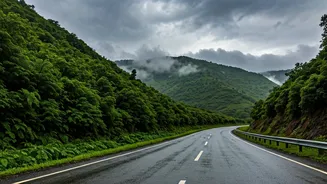
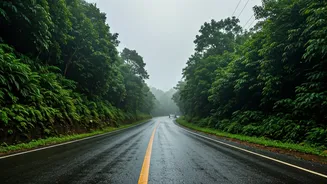
Thick fog can roll in rapidly in the ghats, reducing visibility to just a few metres. In such conditions, your speed should be drastically reduced to a crawl. Use your fog lamps and keep your headlights on low beam. High beams will reflect off the fog and worsen your visibility. It can be helpful to follow the white lines painted on the edge of the road as a guide. If visibility becomes almost zero, the safest option is to pull over to a secure spot, away from the main flow of traffic, and wait for conditions to improve. Trying to push through dense fog, especially on unfamiliar winding roads, is a recipe for disaster.
Heed Official Advisories and Restrictions
Local authorities, including the Pune district administration and Lonavala police, frequently issue guidelines and traffic diversions during the monsoon. These can include one-way traffic patterns, parking restrictions near popular spots like Bhushi Dam, and even the complete closure of disaster-prone areas. Before you travel, check for the latest advisories. These rules are put in place for public safety, often in response to recent incidents or severe weather forecasts. Following them is not just about avoiding penalties; it's about ensuring your trip doesn't end in tragedy.