




The Forces Driving Up Costs
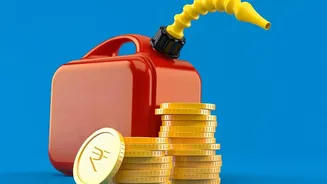
Several factors are converging to make delivering goods more expensive. Geopolitical tensions have contributed to fuel price volatility, directly impacting transporters. In response, transport associations have begun implementing fuel-linked surcharges,
meaning that every time diesel prices rise, the cost of moving freight automatically increases. This isn't the only headwind. The costs for essential materials like packaging have also risen sharply, with polymers and even paper becoming more expensive. Furthermore, logistics companies have announced general price hikes of 8-12% for 2026 to cover rising operational expenses and to fund crucial investments in technology and infrastructure. Adding to this, a new 18% GST on e-commerce delivery fees, implemented in late 2025, has introduced a significant new tax burden that platforms must either absorb or pass on to customers.
The E-commerce Company Squeeze
For e-commerce giants and quick-commerce startups, these rising costs create a difficult balancing act. The Indian market is notoriously price-sensitive, and free or low-cost delivery is often an expected part of the service. Unexpectedly high shipping fees are a primary reason shoppers abandon their carts. Platforms are caught between absorbing the higher costs, which hurts their already thin profit margins, or passing them on and risking a drop in order frequency. Many are choosing the latter, with 'platform fees' becoming a standard charge on services that were once free. These fixed, unavoidable charges are being used to shore up bottom lines as platforms shift from a strategy of growth through subsidies to one focused on profitability.
What This Means for Your Online Cart
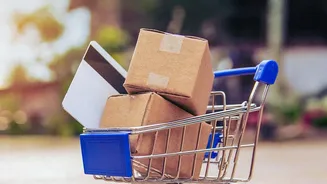
For the average online shopper, these industry-wide pressures will manifest in several noticeable ways. The most obvious will be higher direct costs, whether through increased delivery fees, new 'handling' or 'platform' fees, or a combination of both. The era of unconditional free shipping may be fading. Instead, expect to see higher minimum order values to qualify for free delivery, a strategy that encourages shoppers to add more to their carts. Delivery times may also be affected. While platforms have trained customers to expect next-day or even same-day service, maintaining this speed is becoming more expensive. Standard delivery, which is more cost-effective for companies, may become the more prominently offered option. Finally, sellers on these platforms might increase their product prices to offset the higher fees and logistics costs they now face.
The Future of 'Free' Delivery
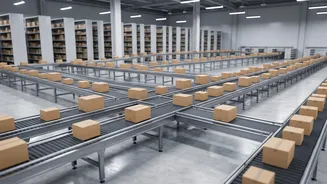
The dream of universally free and instant delivery is being replaced by a more economically sustainable reality. Subscription models, like Amazon Prime, which bundle delivery benefits with other services, will likely become even more central to the e-commerce proposition. These programs secure customer loyalty while creating a more predictable revenue stream to offset logistics expenses. We may also see a greater emphasis on alternative fulfillment models. 'Click-and-collect' options, where customers pick up their online orders from a nearby store or locker, reduce the costly last-mile delivery burden. While overall logistics costs in India have been trending down as a percentage of GDP thanks to massive government investment in infrastructure, the final, most expensive leg of the journey to a customer's doorstep remains a key challenge. This final mile accounts for over half of total shipping costs and is where companies will continue to innovate with route optimization, hyperlocal hubs, and technology to manage expenses while meeting customer expectations.