





Beyond the Grams: An Introduction to Protein Quality
In the world of fitness and health, protein is king. We are often told to focus on hitting a specific daily target, measured in grams. While this is a good starting point, it overlooks two critical factors: the protein's amino acid profile and its bioavailability.
Simply put, it's not just about how much protein you eat, but how much of that protein your body can actually break down and use for vital functions like muscle repair and growth. Thinking only in terms of total grams is like pouring fuel into a car without checking if it's the right type. The engine might run, but not efficiently.
The Amino Acid Puzzle
Proteins are made up of smaller compounds called amino acids, often referred to as the 'building blocks of life'. There are 20 different amino acids that form the proteins in your body. Of these, nine are considered 'essential amino acids' (EAAs), meaning your body cannot produce them on its own; they must come from your diet. A food source that contains all nine of these essential amino acids in sufficient amounts is called a 'complete protein'. Animal-based proteins like meat, eggs, and dairy are typically complete. Most plant-based proteins, with a few exceptions like soy and quinoa, are 'incomplete', meaning they are low in one or more essential amino acids. This is why protein quality is just as important as quantity.
What is Bioavailability?
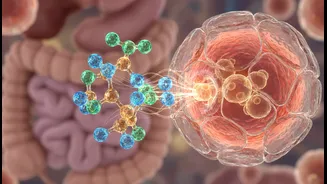
Bioavailability is a term that describes how well your body can digest, absorb, and use a nutrient from the food you eat. When it comes to protein, it refers to the proportion of amino acids that actually make it into your bloodstream after digestion. Animal proteins generally have a higher bioavailability than plant proteins because they are more easily digested. Plant-based proteins are housed within cell walls that can make them harder to break down, and they may contain compounds called anti-nutritional factors that can slightly hinder absorption. This means that even if a plant source has a decent amount of protein on paper, your body may not be able to access all of it.
How Protein Quality is Measured
Scientists use scoring systems to rank protein quality. For many years, the standard was the Protein Digestibility Corrected Amino Acid Score (PDCAAS), which rates proteins on a scale of 0 to 1.0 based on their amino acid profile and digestibility. Animal proteins like whey and casein, as well as soy protein isolate, typically score a perfect 1.0. Many plant proteins score lower; for example, beans and lentils are often around 0.5 to 0.7. A newer, more precise method called the Digestible Indispensable Amino Acid Score (DIAAS) is now recommended by experts as it more accurately reflects amino acid absorption in the small intestine. Under DIAAS, high-quality proteins can score above 100 (equivalent to a PDCAAS of 1.0), further highlighting the differences between sources.
Making It Work for You
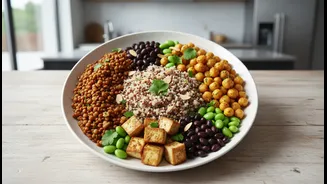
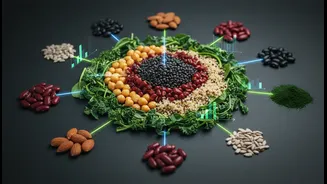
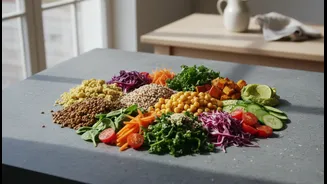
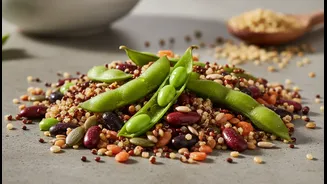
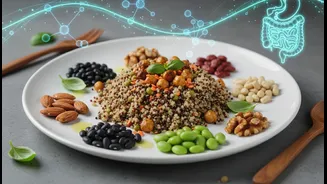
Understanding this doesn't mean you need to abandon plant-based foods or obsess over scoring charts. The key is to be smarter about your choices. For those who eat animal products, incorporating high-quality sources like eggs, Greek yogurt, chicken, and fish is a straightforward way to get bioavailable, complete protein. For vegetarians and vegans, variety is crucial. By combining different plant protein sources—a strategy known as protein complementation—you can create a complete amino acid profile. A classic example in many Indian diets is combining dals (legumes) with rice or roti (grains). Legumes are typically low in the amino acid methionine, while grains are low in lysine; eaten together, they provide all the essential amino acids. Additionally, methods like soaking, sprouting, and fermenting beans and grains can improve their digestibility.