






The Hidden Danger in Humid Air
When you exercise, your body generates a tremendous amount of heat. To prevent overheating, your primary cooling mechanism is sweating. However, the sweat itself doesn't cool you; the magic happens when it evaporates from your skin, carrying heat away
with it. In a high-humidity environment, the air is already saturated with water vapor, which significantly slows down or even stops this evaporative process. Instead of evaporating, sweat drips off uselessly or clings to your skin, trapping heat. This forces your body to work much harder to regulate its temperature, increasing your heart rate and perceived effort. This condition, known as thermal overload or heat exhaustion, can lead to symptoms like dizziness, nausea, headaches, and extreme fatigue, seriously compromising both your workout and your health.
How Air Circulation Becomes Your Best Ally
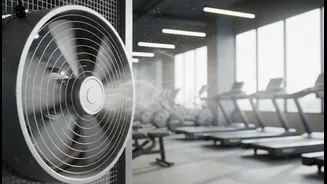
While a fan or an air conditioning vent doesn't actually lower the room's temperature, it creates a crucial wind-chill effect. Moving air disrupts the thin layer of warm, saturated air that forms right next to your skin as you sweat. This 'boundary layer' acts like an insulating blanket, preventing further evaporation. Air circulation effectively blows this stagnant layer away, replacing it with cooler, drier air. This allows the evaporative cooling process to continue efficiently, helping your body shed heat and maintain a safer core temperature. Think of it as giving your body's natural air conditioning system the help it needs to function properly in a challenging environment.
Strategic Positioning for a Cooler Workout
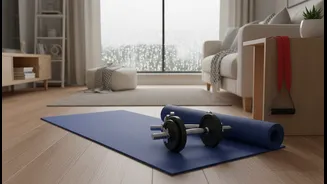
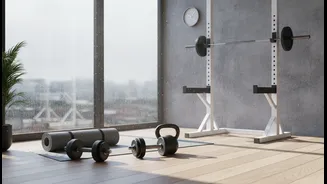
The next time you walk into the gym, take a moment to become a student of its airflow. Where are the large industrial fans located? Which way are the air conditioning vents pointing? The key is to position yourself where you can feel a consistent breeze. This might mean choosing a treadmill or elliptical that is directly in the path of a fan. When doing floor exercises, place your mat in a well-ventilated area rather than a stagnant corner. Even a gentle but steady flow of air can make a significant difference in how you feel and perform. By being strategic about where you work out, you are actively managing your body's ability to cool itself.
When the Gym's Airflow is Lacking
Unfortunately, not all gyms have adequate ventilation. Some may lack sufficient fans or have poorly maintained HVAC systems. If you find yourself in a stuffy, humid gym, you need to adjust your approach. First, modify your workout intensity; consider reducing your pace or lifting lighter weights. Proper hydration becomes even more critical, so drink plenty of water before, during, and after your session. Wear light-colored, loose-fitting, and moisture-wicking clothing to help sweat escape. For targeted relief, you can bring a small, portable fan to create your own personal breeze. Taking more frequent breaks in a cooler area, like the lobby or changing room, can also help regulate your temperature.
Advocating for a Healthier Environment
If poor air circulation is a persistent problem at your gym, consider speaking to the management. Frame your concerns around health and safety, not just comfort. Gyms have a responsibility to provide a safe environment, and that includes proper ventilation. Standards from organizations like the Occupational Safety and Health Administration (OSHA) and ASHRAE recommend specific ventilation rates for fitness facilities to ensure adequate fresh air and to control humidity. A well-ventilated space is not just more pleasant; it's a fundamental part of a safe exercise facility. Your feedback could prompt improvements that benefit every member.