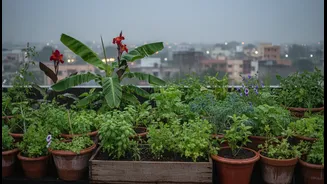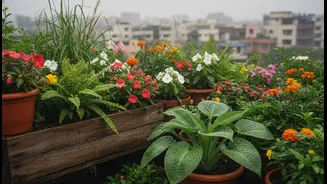




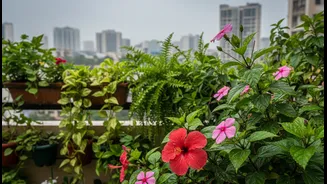


Why Monsoon Demands Extra Care
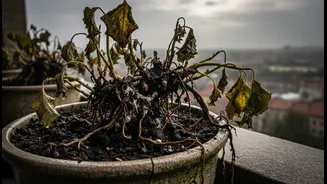
While rainwater is a pure source of hydration for plants, the monsoon season creates an environment where problems can flourish. The primary issues are waterlogged soil, which suffocates roots and leads to rot, and high humidity, which is a perfect breeding
ground for fungal diseases like powdery mildew and leaf spot. Constant cloud cover also means less sunlight, hindering photosynthesis and growth. Without intervention, your balcony or terrace garden can quickly go from lush to lacklustre. Simple adjustments to your care routine can prevent these common monsoon maladies and keep your plants healthy.
Prune for Health and Airflow
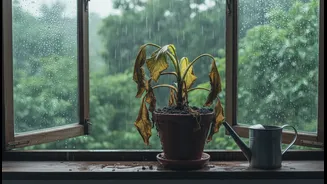
Pruning during the monsoon is essential for managing growth and preventing disease. Trimming overgrown branches and removing dead or yellowing leaves does more than just neaten up your plants; it improves air circulation significantly. Good airflow helps foliage dry faster after a downpour, reducing the risk of fungal infections that thrive in damp, stagnant conditions. Use clean, sharp shears to make precise cuts. This encourages the plant to direct its energy towards producing new, healthy shoots and flowers, leading to more robust growth throughout the season.
Master Drainage to Beat Root Rot
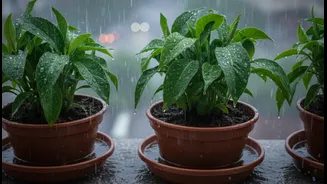
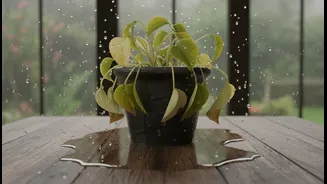
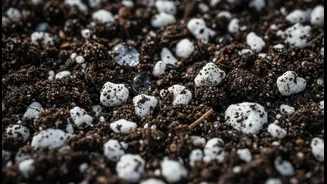
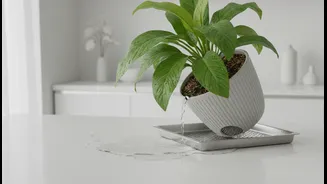
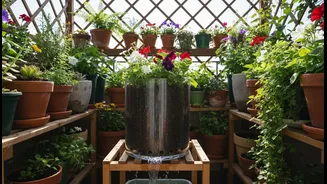
Root rot is the single biggest threat to potted plants during the rainy season. It occurs when soil remains waterlogged, depriving roots of the oxygen they need to survive. The first line of defence is ensuring every pot has unobstructed drainage holes. If water isn't draining freely, you may need to clear clogged holes. Elevating pots on stands or bricks is another simple but highly effective trick; it allows excess water to escape and air to circulate underneath. It's also crucial to empty any saucers or trays that collect rainwater to prevent the pot from sitting in a puddle. For plants particularly sensitive to wet conditions, consider using porous terracotta pots, which help wick away excess moisture.
The Simple Art of Rotation
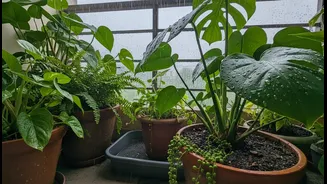
With overcast skies a common feature of the monsoon, sunlight is a precious commodity. Plants have a natural tendency to lean towards light, a phenomenon called phototropism. Without regular rotation, your plants can become lopsided and weak on one side. To ensure even growth, make it a habit to give each pot a quarter-turn every few days. This simple action guarantees that all parts of the plant get a chance to face the light, promoting a stronger, more symmetrical structure. Rotation also improves air circulation around the plant, further reducing the risk of pests and diseases that prefer stagnant conditions.
Adjust Your Watering and Feeding Schedule
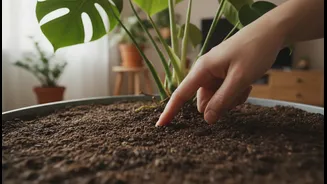
It might seem obvious, but it's easy to overwater plants when it's already raining. Always check the soil before reaching for the watering can. Stick your finger an inch or two into the soil; if it feels damp, hold off on watering. Many plants will get all the hydration they need from the rain alone. Heavy rains can also wash away essential nutrients from the soil. However, avoid applying chemical fertilizers during continuous downpours, as they can burn wet roots or simply get washed out. Instead, apply organic compost or vermicompost once every few weeks during a dry spell to replenish the soil's nutrients gently.
Stay Vigilant Against Pests
The high humidity of the monsoon is an open invitation for pests like aphids, mealybugs, snails, and slugs. Make it a routine to inspect your plants regularly, checking the undersides of leaves and around the stems for any unwanted visitors. Removing infected leaves immediately can prevent a problem from spreading. For common pests, a simple spray made of neem oil and water is an effective organic solution. Proactive monitoring is key, as catching an infestation early is much easier than dealing with a full-blown attack.