



From Weight Loss to Building Strength
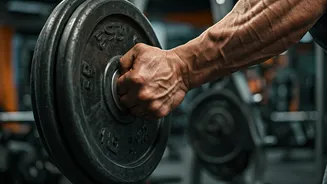
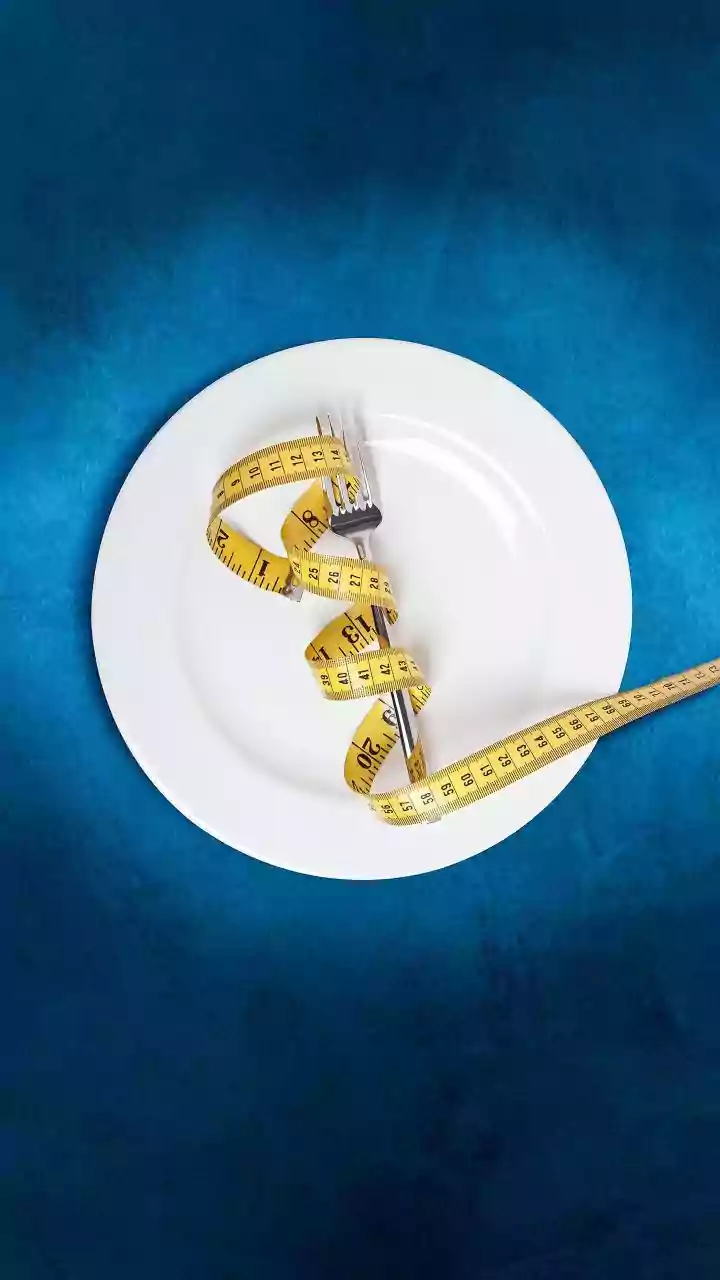
The Indian fitness narrative is undergoing a fundamental transformation. For decades, the primary goal was subtraction—eating less to weigh less. This mindset is now being replaced by a philosophy of addition: building more muscle, gaining more strength,
and having more energy. The conversation in gyms has shifted from "How much weight did you lose?" to "How much are you lifting?". This change is driven by a growing understanding that strength is not just for bodybuilders or elite athletes but is crucial for everyday functional fitness, like carrying groceries, preventing injuries, and ageing well. Experts note this trend has gained enormous momentum, making what was once a niche pursuit a central part of mainstream fitness culture.
The Social Media Effect
A significant catalyst for this cultural shift is social media. Platforms like Instagram and YouTube have democratized fitness, making it more accessible and less intimidating. Influencers sharing their weight-training regimens and diets have inspired a new generation to start lifting. The visual proof of transformation, combined with motivational content, has altered perceptions and broken down old barriers. This digital wave has also been instrumental in educating people on the benefits of strength training, from boosting metabolism to improving bone density. The boom in fitness-related content has led to a more informed and engaged audience, eager to move beyond traditional workouts.
Breaking Stereotypes: Women and Weightlifting
One of the most powerful aspects of this trend is the increasing number of women embracing strength training. For years, a persistent myth was that lifting weights would make women "bulk up". This misconception, often reinforced by a lack of information, created a significant barrier. However, this is changing rapidly as women discover the benefits of building muscle for a leaner physique, hormonal health, and increased bone mass, which is particularly important for post-menopausal women. Despite progress, challenges remain. A 2024 survey noted that only about 3.9% of women aged 15–29 exercise daily, citing safety concerns and social norms as major hurdles. Nevertheless, the sight of women in the weights section is no longer an anomaly but a sign of a broader shift towards empowerment and redefining female fitness standards.
More Than Muscles: A Holistic View
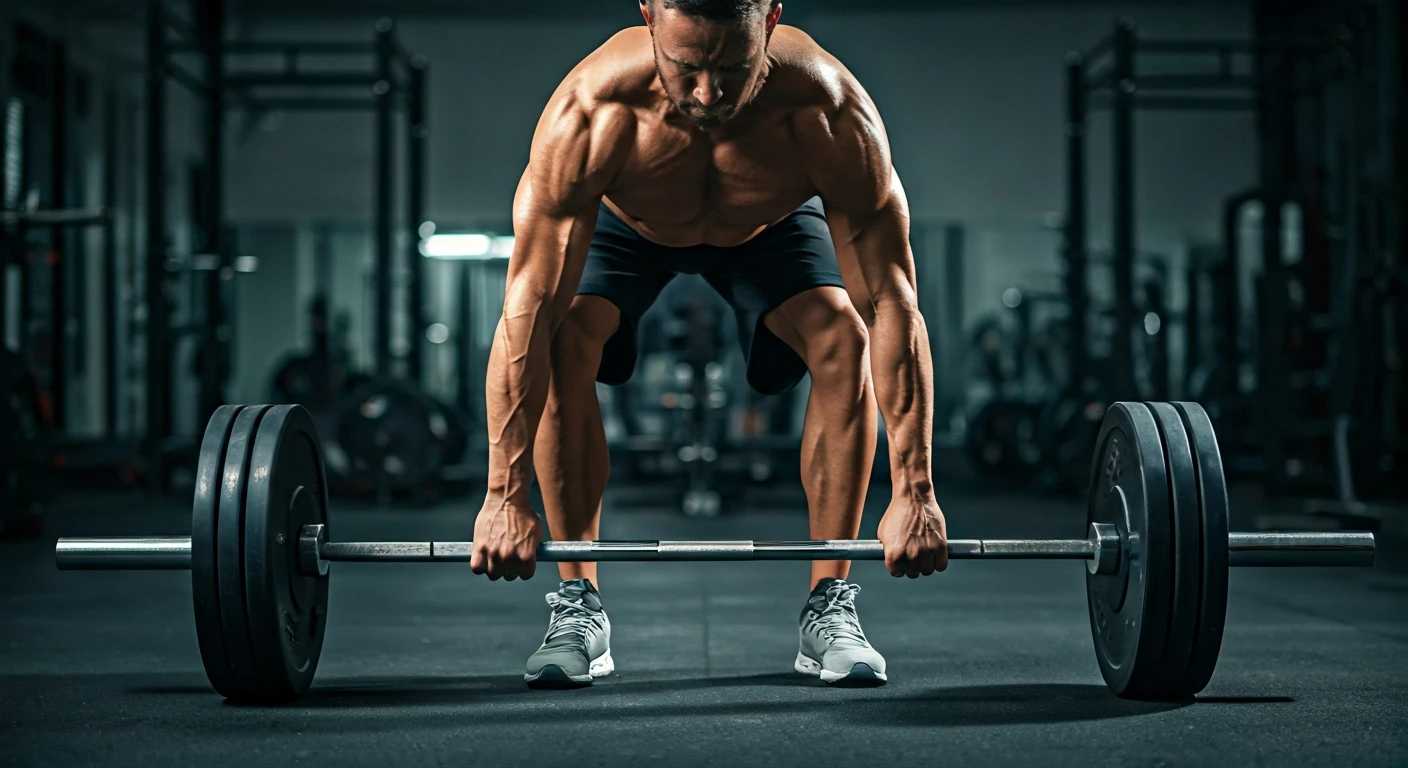
The focus on strength is part of a larger pivot towards holistic wellness that gained traction post-pandemic. Concerns over health and immunity prompted many to see fitness not as a seasonal resolution but as a necessary lifestyle. Strength training, in this context, is valued for its mental as well as physical benefits. Many find that the discipline and tangible progress of lifting weights provide a sense of control and mental fortitude. This aligns with the rise of functional fitness—exercises like squats, deadlifts, and presses that train the body for real-life movements and improve overall quality of life. The trend also extends to older Indians, with many over 50 now incorporating weight training to improve balance, counter age-related muscle and bone loss, and promote active ageing.
The Road Ahead: Opportunities and Risks
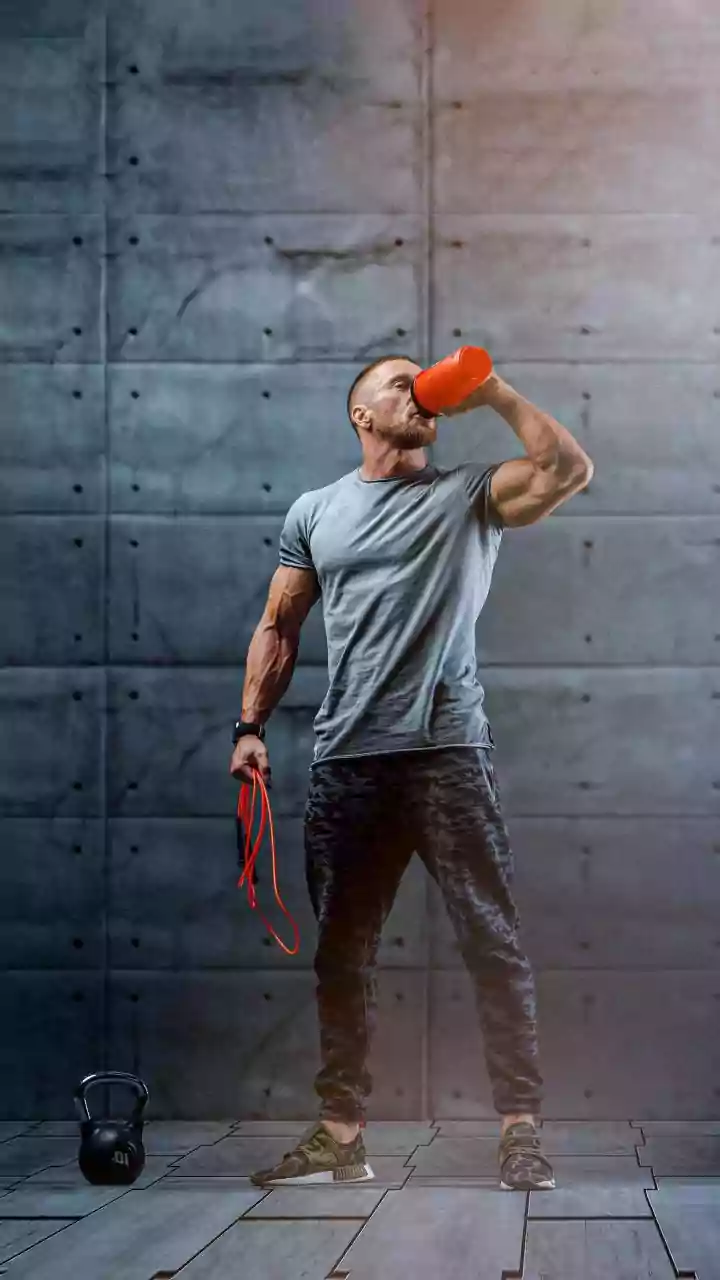
The boom in strength training is fueling rapid growth in India's fitness industry, which is projected to expand significantly by 2030. This has led to the rise of new fitness models, from hybrid digital-physical routines to gritty, performance-focused warehouse gyms. However, the trend is not without its risks. The rapid growth has also led to a surge in misinformation from unqualified trainers, an over-reliance on supplements, and social media-driven fitness myths. Experts caution against the tendency to swing from one extreme to another—from no exercise to overtraining—and highlight the importance of sustainable, well-informed routines. The challenge now is to ensure that this enthusiasm is channelled productively, with a focus on safe practices and long-term health over short-term aesthetics.