





The Rulebook: Your Rights Under the DGCA Passenger Charter
In India, passenger rights aren't just airline goodwill; they are legally binding regulations. The Directorate General of Civil Aviation (DGCA) outlines these protections in a document called the Passenger Charter, which is based on the Civil Aviation Requirements
(CAR). These rules apply to all airlines operating within, to, and from India. They cover three main scenarios: flight delays, flight cancellations, and denied boarding due to overbooking. Understanding this charter is the first step in ensuring you receive what you're owed when travel plans go awry. These regulations are not optional for airlines; they are enforceable obligations.
When Your Flight Is Delayed
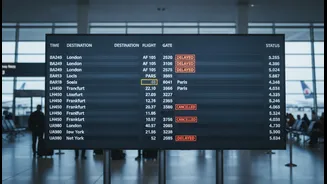
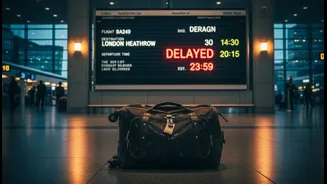
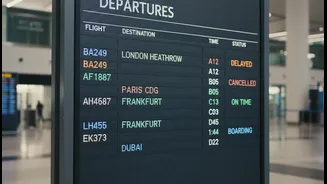
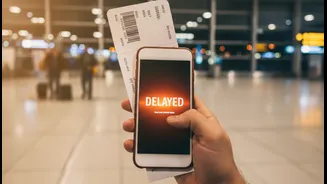
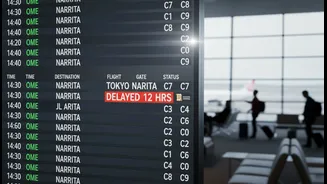
A delay doesn't automatically mean cash compensation in India, but it does entitle you to care. If your flight is delayed, your rights scale with the waiting time. For delays of two to four hours, airlines must provide you with free meals and refreshments. If the delay becomes significant—over six hours for a domestic flight—you have a choice: the airline must offer you an alternative flight or a full refund of your ticket. For overnight delays, specifically those over six hours that fall between 8 p.m. and 3 a.m., the airline is obligated to provide hotel accommodation and transport to and from the airport. It is important to note that while airlines are exempt from cash compensation for delays caused by 'extraordinary circumstances' like bad weather, the obligation to provide care like meals and accommodation often remains.
If Your Flight Gets Cancelled
When an airline cancels your flight, you are immediately entitled to a choice: an alternative flight or a full refund. The decision is yours, not the airline's. If the airline informs you of the cancellation less than two weeks before departure but more than 24 hours prior, they must offer an alternative flight. However, if the cancellation notice comes less than 24 hours before your scheduled departure, you are entitled to financial compensation in addition to a full refund or a new flight. This compensation can range from ₹5,000 to ₹10,000, depending on the block time of your original flight. The airline must provide a written statement explaining your rights and the compensation you are due.
The Overbooking Problem: Denied Boarding
Airlines in India are legally permitted to overbook flights. If more passengers show up than there are seats, the airline must first ask for volunteers to give up their seats in exchange for benefits. If you are involuntarily denied boarding, you are entitled to significant compensation. If the airline arranges an alternative flight for you that departs within 24 hours of your original flight, you are owed compensation of 200% of your booked one-way fare plus fuel charge, capped at ₹10,000. If the alternative flight is more than 24 hours later, or if you choose not to take the alternate flight, the compensation rises to 400% of the fare, capped at ₹20,000, in addition to a full refund.
How to Claim Your Rights
Knowing your rights is half the battle; claiming them is the other. Your first step should always be to contact the airline directly, either at their airport helpdesk or through their customer service channels online. Keep meticulous records of everything: your boarding pass, booking confirmation, any SMS or email notifications about the disruption, and receipts for any expenses you incur. If the airline fails to provide a satisfactory resolution, you can escalate the issue by filing a grievance on the government's AirSewa portal (airsewa.gov.in). This creates a formal record and puts regulatory pressure on the airline to comply. For unresolved issues, you can also approach a consumer forum.