





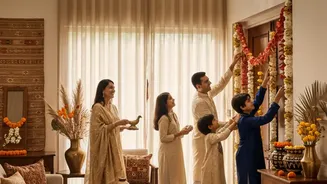
Beyond the lofty corridors of power and the weight of a political dynasty lies the quiet intimacy of memory. For Sonia Gandhi, a simple festive dish of sweet rice evokes a time of celebration and family at 1 Safdarjung Road.
A Taste of Diwali Past
In a recent conversation with
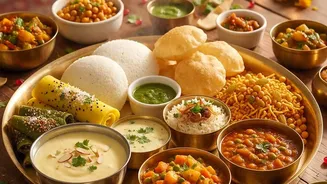
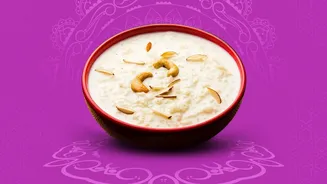
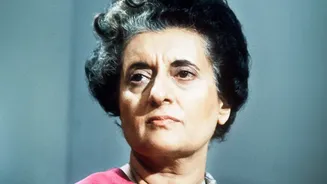
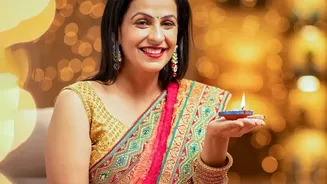
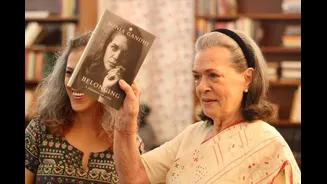
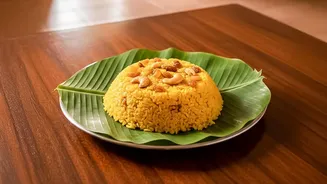
her daughter Priyanka and granddaughter Miraya, Sonia Gandhi journeyed back to her early years in India, sharing memories of Diwali at the home of her mother-in-law, the late Prime Minister Indira Gandhi. Amid recollections of the entire residence being lit with diyas, from the garden pond to the rooftop, a distinct culinary memory stood out. 'On festivals, we always used to have Kashmiri food and that sweet rice,' she recalled, adding with a note of fondness, 'which we still make, by the way'. This small detail reveals more than just a menu; it speaks to a tradition that has been carefully preserved for decades, a thread of continuity connecting generations. The food, like the memories, has endured.
Life at 1 Safdarjung Road
For over 16 years, 1 Safdarjung Road was Sonia Gandhi's home after her marriage to Rajiv Gandhi. It was the official residence of the Prime Minister, a place of immense national importance, but it was also a family home where personal histories were forged. While her initial adjustment to Indian life and its cuisine was a challenge, she gradually adapted, learning to cook and appreciate the country's diverse flavours. Her memories paint a picture of a life lived within the crucible of Indian politics, yet filled with personal moments. Priyanka Gandhi has recalled her father Rajiv taking the children to Old Delhi to buy firecrackers for Diwali, and Sonia herself fondly remembers the simple joy of 'phuljhadis' or sparklers. These recollections offer a humanising glimpse behind the public facade of India's most famous political family.
The Significance of Sweet Rice
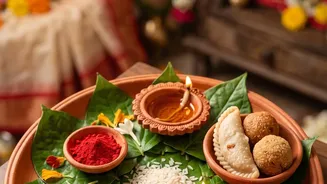
The 'sweet rice' Sonia Gandhi mentioned is likely 'meethe chawal' or 'zarda', a dish deeply woven into the fabric of North Indian festive celebrations. Often prepared for festivals like Basant Panchami, Lohri, and Diwali, this fragrant rice, sweetened with sugar or jaggery and often coloured a vibrant yellow with saffron or turmeric, symbolises happiness, prosperity, and auspicious new beginnings. Its preparation is a ritual in itself, with basmati rice enriched with ghee, aromatic spices like cardamom, and a generous helping of nuts and dried fruits. For the Nehru-Gandhi family, with their Kashmiri Pandit heritage, the inclusion of Kashmiri food and dishes like sweet rice on festive occasions was a way to honour their cultural roots. The continued preparation of the dish shows how food acts as a powerful vessel for cultural identity and memory.
A Bond Forged Over Food and Family
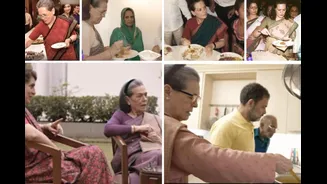
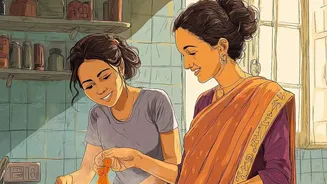
The shared meals at Safdarjung Road also speak to the personal relationship between Sonia and Indira Gandhi. While Priyanka Gandhi has shared that her grandmother was not a cook, Sonia added that Indira had an 'acute sense' of how a dish could be improved, always knowing exactly what was needed. This dynamic, with one cooking and the other offering gentle guidance, reflects a bond that went beyond the political sphere. Sonia, who initially found Indian spices overwhelming, grew to love the cuisine, from tandoori chicken to the simple comfort of dal chawal, which she now considers the taste of home. She has even recounted meeting Rajiv while looking for a good meal, stating, 'India came to me the same way, one meal at a time'. These culinary anecdotes piece together a story of adaptation, affection, and the building of a new life in a new country.