





More Than a Trend, It's a Baseline
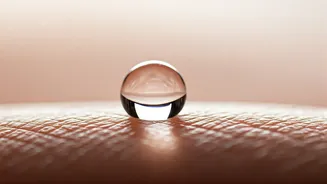
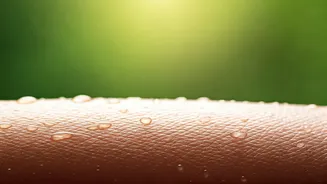
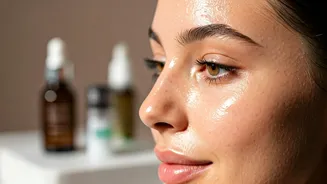
First, let's be clear about what the 'dewy glow' actually is. It’s not the glittery, shimmering finish that dominated the 2010s, nor is it simply oily skin. The modern glow is a 'lit-from-within' radiance that suggests supreme health, hydration, and vitality.
Think of post-workout skin, but without the sweat. It looks bouncy, supple, and almost translucent. This aesthetic, often called 'glass skin' or 'honey skin,' prioritises the appearance of healthy skin tissue over the artistry of makeup. While matte skin was once the pinnacle of polished beauty—a look designed to mask imperfections and control shine—the dewy glow celebrates the skin itself. It has become the new baseline for what desirable skin looks like, shifting focus from coverage to care.
The Skincare-First Revolution
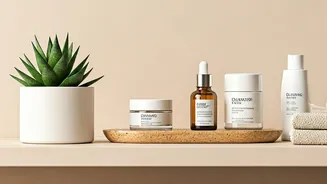
The persistence of this trend is directly tied to the skincare boom. We’ve collectively moved from a makeup-centric approach to a skincare-first mentality. Consumers are more educated than ever, rattling off ingredients like hyaluronic acid, niacinamide, ceramides, and vitamin C with the fluency of a dermatologist. The goal is no longer to just cover up blemishes but to improve skin texture, hydration, and barrier function so that less makeup is needed. This shift explains why the dewy look will last. It's the visible reward for a consistent skincare routine. Brands have responded in kind, with hybrid products like tinted serums, illuminating primers, and cream-based blushes designed to enhance a natural glow rather than conceal the skin beneath.
The Global Influence of K-Beauty
It’s impossible to discuss the dewy glow without acknowledging its origins in South Korean beauty culture. For years, K-beauty has championed the concept of 'chok chok'—a term for the moist, plump, and luminous skin that comes from meticulous, multi-step skincare routines. While Western beauty historically focused on matte finishes and heavy contouring, K-beauty popularised a gentler, more holistic approach centered on hydration, protection, and nourishment. As K-pop, K-dramas, and K-beauty brands gained global traction, so did their signature aesthetic. The world watched and learned, trading in harsh exfoliants and drying powders for essences, ampoules, and sheet masks that promised a healthy, radiant complexion.
A Symbol of Wellness and Authenticity
On a deeper cultural level, glowing skin has become a powerful status symbol. It telegraphs health, youth, and even a certain level of affluence—the time and resources to invest in quality skincare, a healthy diet, and wellness practices like getting enough sleep. In an era saturated with filters and digital enhancements, a real-life glow feels authentic and aspirational. It aligns with the broader wellness movement, which frames self-care as a vital daily practice. Achieving that glow is a journey, not a quick fix, which makes it a more meaningful pursuit than simply applying a new shade of lipstick. It suggests you are taking care of yourself from the inside out.
Why 2026? The Future is Fluid
The reason the dewy glow isn’t going anywhere by 2026 is that it's set to evolve, not disappear. The future of the trend is personalisation and technology. We'll see an even greater emphasis on 'skin-tellectualism,' with consumers using at-home diagnostic tools and AI to create hyper-customised routines. The glow itself may become more nuanced—less 'wet' and more of a 'satin' or 'cloud skin' finish, but the underlying principle of healthy, radiant skin will remain. The products will get smarter, the ingredients more potent, and the techniques more refined. The dewy glow of 2026 won't be a one-size-fits-all look but the ultimate expression of your personal skin health.