





The End of the Annual Escape
For decades, the Indian holiday followed a predictable script: save for months, plan meticulously, and take one long trip a year. But Gen Z has torn up that itinerary. Faced with constant connectivity and rising burnout, this generation is embracing a more
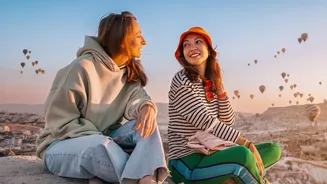
spontaneous and frequent travel rhythm. Recent reports show a significant shift, with a majority of young travellers now preferring multiple short trips over a single long one. A recent Airbnb report revealed that seven in ten Gen Z travellers would rather take three short trips than one large annual holiday. This trend towards 'micro-dosing' travel allows for regular resets without the extensive planning and financial commitment of a massive vacation. It's less about a once-a-year event and more of a reflexive response to a stressful week or a free weekend.
Wellness as the Main Itinerary
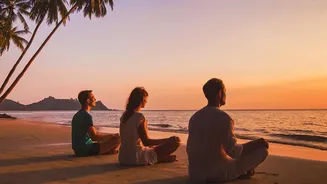
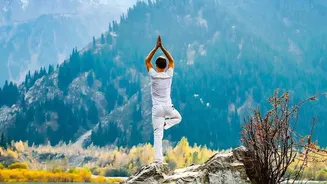
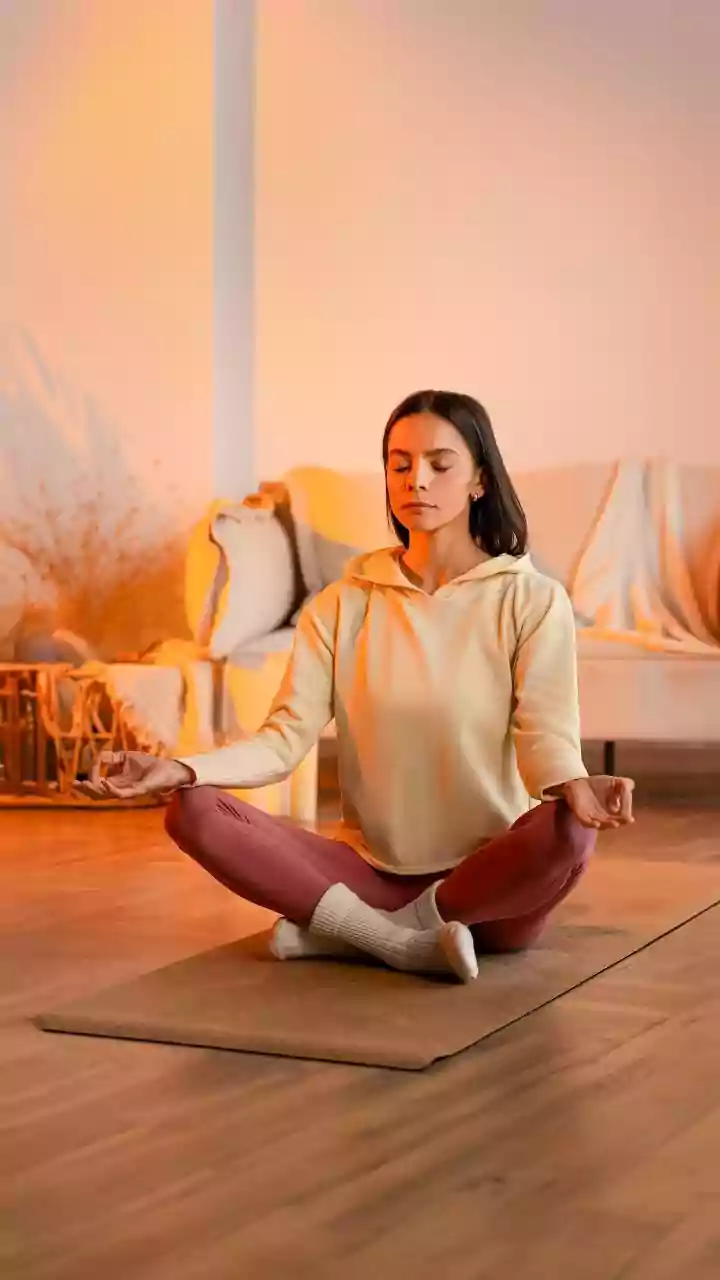
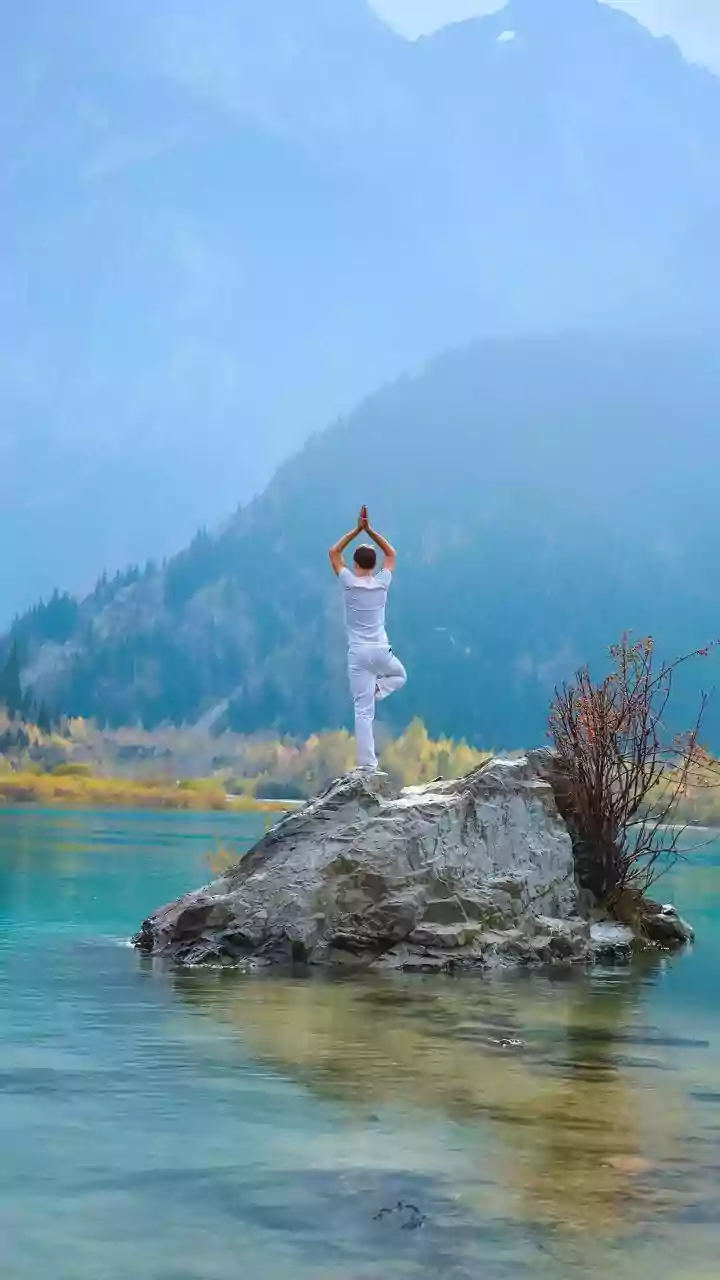
These short getaways are not just about seeing a new place; they are driven by a conscious need for mental and emotional rejuvenation. For Gen Z, 'wellness' is a broad concept that goes beyond spa treatments. It’s about finding quiet, disconnecting from digital life, and immersing oneself in nature. Many are seeking experiences that offer a break from routine and permission to simply exist without an agenda. Two in three young travellers admit to taking trips just to do nothing at all—to rest and slow down. The goal is no longer to tick off sightseeing spots but to return feeling less anxious and more positive. This has led to a rising interest in destinations known for yoga, meditation, and serene landscapes, such as Rishikesh and the coasts of Kerala.
Spontaneous, Personal, and Unplanned
The anti-itinerary generation is here. For young Indian travellers, the absence of a rigid plan is often the plan itself. About 64% deliberately leave parts of their trips unplanned to make room for spontaneous exploration. This flexibility is a core part of the appeal, with nearly two-thirds of Gen Z travellers booking their getaways within just days or weeks of departure. Travel has become a form of self-expression, with nearly 95% wanting their journey to feel personal and unique, not a pre-packaged tour. They are actively seeking out lesser-known locations over places that have gone viral online, prioritising authenticity over trends. The stay itself has become a central part of the experience, with many choosing a destination based on a unique homestay or villa they discover online.
Affordable and Accessible Rejuvenation
The practicality of a two-day trip is a major factor in its growing popularity. For a generation that is often early in their careers or still studying, short, frequent trips are more financially manageable than a single, expensive annual holiday. These mini-vacations often focus on simple lodging, local food, and low-cost activities like hiking or simply relaxing in nature, offering a high-impact experience without a hefty price tag. This approach makes wellness less of a luxury and more of an accessible, repeatable practice. By opting for destinations closer to home—often just a drive or an overnight bus ride away from major cities—Gen Z is able to embed these restorative breaks into their regular lifestyle rather than reserving them for a special occasion.