



Waterproof vs. Water-Resistant: Know The Lingo
These terms are often used interchangeably, but they mean very different things. A 'water-resistant' bag can handle light splashes or a brief drizzle, thanks to tightly woven fabrics like polyester or nylon. It's designed to slow down water entry, not
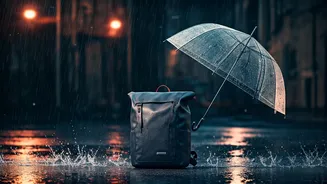
stop it completely. 'Waterproof,' on the other hand, means the bag is constructed to prevent water from getting in, even during heavy rain. This involves coated fabrics, sealed seams, and specialised closures. For most daily city commutes, a highly water-resistant bag is sufficient, but if you face heavy monsoons or have a long walk, true waterproof construction is a safer bet.
The Material Matters Most
The fabric is your first line of defence. Common choices include polyester and nylon, which are lightweight and naturally water-resistant. A key indicator of durability is the 'denier' number (like 600D or 1680D), which measures yarn thickness; a higher number generally means a tougher, more abrasion-resistant fabric. For superior protection, look for materials with a waterproof coating, like PU (polyurethane) or PVC (polyvinyl chloride), which form an impenetrable barrier. Other premium options include TPU-laminated fabrics and waxed canvas, which offer excellent protection while often providing a more stylish finish.
The Roll-Top Advantage
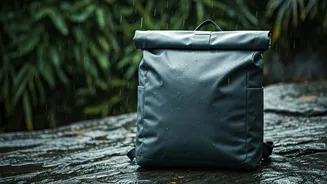
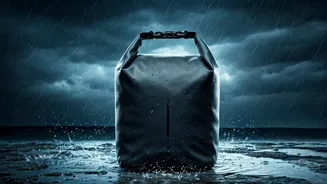
When it comes to keeping water out, the closure is just as important as the fabric. The roll-top design is considered the gold standard for waterproofing. By rolling the top of the bag down several times and securing it with a buckle, you create a powerful seal that eliminates the main entry point for rain: the top zipper. This simple, mechanical closure has fewer points of failure than a zipper and provides superior protection in heavy downpours. The tradeoff is often convenience, as accessing your gear can be slower than with a simple zip.
Zippers and Seams: The Hidden Weak Points
On a standard bag, the zippers and stitch lines are the most common leak points. A bag can be made from waterproof fabric but will still let water in if the seams are simply stitched, as needle holes allow moisture to seep through. Truly waterproof bags use welded or heat-sealed seams to create a perfect bond. Likewise, standard zippers are not waterproof. Look for bags with 'water-repellent zippers' (like those from YKK) or a 'storm flap'—a piece of fabric that covers the zipper track. These features are crucial for keeping the contents of your bag dry in sustained rain.
Beyond the Basics: Commuter-Friendly Features
A great monsoon bag isn't just about being waterproof; it has to work for your daily life. A padded internal laptop sleeve is non-negotiable for protecting your most expensive gadget. Many commuter bags in India now come with an integrated rain cover stored in a dedicated pocket, offering a practical backup. Also, consider comfort. Padded shoulder straps and a back panel with airflow channels can make a huge difference in humid conditions. Finally, a few well-placed, quick-access pockets for your keys and phone are essential, but ensure they are also protected from the elements.