







Lentils and Pulses (Dal)
The cornerstone of Indian comfort food, dals like moong, masoor, and chana are monsoon essentials. They are packed with protein, easy to digest, and incredibly versatile. Most importantly, they are non-perishable and, when stored in airtight containers,
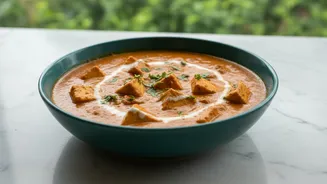
remain safe from the high humidity that defines the season. During a downpour, there's nothing quite like a warm bowl of dal, which can be prepared simply or elaborated into a hearty dal fry or a one-pot khichdi. A nutritionist-backed tip is to add a few bay leaves or dried neem leaves to your storage containers to naturally ward off pantry pests. This ensures your go-to source of protein is always ready for a quick, nourishing meal, no matter what the weather is doing outside.
Grains like Rice and Poha
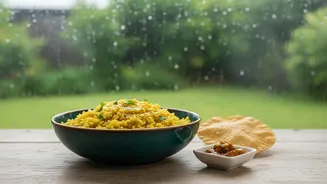
Rice and roti are staples in every Indian household, and the monsoon is no exception. Having a good stock of rice and whole wheat flour (atta) is crucial for daily meals. Rice is the foundation for countless comforting dishes perfect for a rainy day, from simple steamed rice with dal to flavourful khichdi or jeera rice. Another fantastic grain to store is poha, or flattened rice. It requires minimal cooking and can be transformed into a light yet filling breakfast or snack in just minutes. Because high moisture can make grains susceptible to pests, it’s wise to store them in high-quality, airtight containers. Some experts even suggest lightly dry-roasting items like sooji (rava) before storing to increase their shelf life and combat moisture.
Hardy Root Vegetables
While leafy green vegetables can spoil quickly and may carry more contaminants during the monsoon, root vegetables are a far more reliable choice. Potatoes and onions form the base of countless Indian sabzis and curries, and they have a much longer shelf life. Along with ginger and garlic, these ingredients are indispensable for adding flavour and depth to your cooking. Storing them in a cool, dry, and dark place away from direct sunlight will keep them fresh for longer. These vegetables allow you to whip up a wide range of dishes, from a simple aloo pyaaz sabzi to flavourful pakoras, without needing to make a daily trip for fresh produce.
Whole Spices and Ginger-Garlic Paste
Spices are the soul of Indian cooking, and their importance only grows during the monsoon. Whole spices like cumin, peppercorns, and cloves retain their flavour and potency longer than ground versions, especially in humid conditions. Many spices commonly used in Indian kitchens, such as turmeric, black pepper, and ginger, also have natural anti-inflammatory and digestive properties that are particularly beneficial during this season. Having essentials like ginger-garlic paste, jeera powder, red chilli powder, and garam masala on hand ensures you can create flavourful meals even with limited fresh ingredients. Storing them in airtight jars away from heat and steam is the best way to preserve their aromatic qualities.
Dry Snacks and Ready-to-Eat Items
On days when the rain is relentless and cooking feels like a chore, having some reliable dry snacks is a lifesaver. Items like roasted chana (chickpeas), makhana (fox nuts), and various biscuits are perfect for satisfying sudden hunger pangs. Roasted makhana, in particular, is a healthy and light snack that stays crisp if stored correctly. It's also a good idea to keep a few ready-to-eat meal packets, such as poha, upma, or dal fry, for emergencies or when you need a quick, hot meal without any fuss. Tetra packs of milk or milk powder can also be a valuable backup, ensuring your daily chai ritual is never disrupted by a missed delivery.