






Adjust Your Watering Schedule
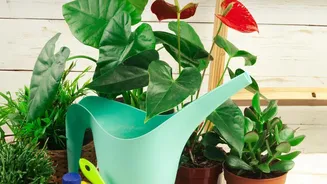
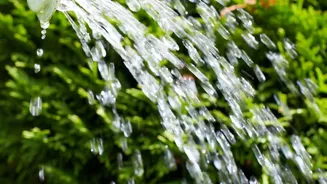
The single biggest mistake gardeners make during seasonal changes is overwatering. As temperatures cool and sunlight becomes less intense, plants need significantly less water than they did in peak summer or during dry spells in the monsoon. Continuing
a summer watering routine can lead to waterlogged soil and root rot, one of the fastest ways to kill a potted plant. Before you water, use the finger test: poke your finger about an inch or two into the soil. If it feels moist, wait another day. Water only when the top layer of soil is dry to the touch. It's better to water deeply and less frequently, which encourages strong root growth. When you do water, aim for the early morning so that any moisture on the leaves has time to evaporate before evening, reducing the risk of fungal diseases.
Assess Sunlight and Relocate if Needed
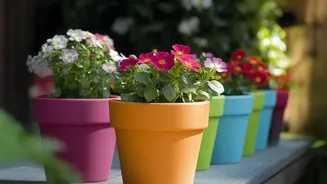
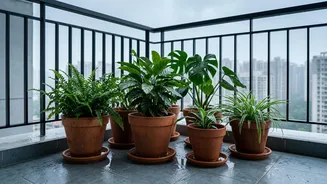
The sun's path and intensity change with the season. A balcony spot that was perfect in June might now be too shady, or a previously sheltered corner might be getting harsh afternoon sun. Observe your balcony at different times of the day to understand the new light patterns. Sun-loving plants like hibiscus or bougainvillea might need to be moved to a brighter spot to continue flowering. Conversely, plants that prefer indirect light, such as ferns or some palms, may need to be shifted away from the direct afternoon sun. Rotating your pots can also ensure all sides of the plant get adequate light for even growth.
Prune and Tidy Up Your Plants
September is an excellent time for some light housekeeping in your garden. The end of the monsoon often leaves plants looking overgrown and leggy. Pruning helps improve air circulation, which is crucial for preventing fungal diseases that thrive in humid conditions. Start by removing any dead, yellowing, or diseased leaves and branches. Trim back any straggly stems to encourage bushier, healthier growth. For flowering plants, deadheading (removing spent blooms) will often encourage a final flush of flowers before the season turns. However, avoid heavy pruning, as this can stress the plant just as it's preparing for the cooler months. Always use clean, sharp shears to make precise cuts.
Check for Pests and Diseases
The changing weather can bring a new wave of pests. High humidity after the rains is an open invitation for fungal infections like powdery mildew, while insects like mealybugs and aphids may try to find a home on your plants. Inspect your plants regularly, paying close attention to the undersides of leaves and the joints where leaves meet stems. If you spot any pests, act quickly. A simple spray of neem oil solution—a few drops of neem oil and a bit of mild soap mixed in a litre of water—is an effective and organic way to manage most common garden pests. Ensuring good airflow between your pots can also significantly reduce the risk of disease.
Replenish Nutrients in the Soil
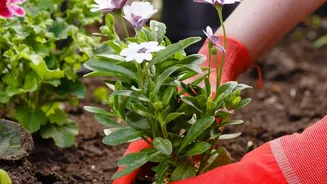
The heavy rains of the monsoon can wash away essential nutrients from the soil in your pots. September is a good time to give your plants a nutritional boost. You don't need to completely repot them, but adding a top layer of fresh compost or well-rotted manure will do wonders. Gently loosen the top inch or two of soil without disturbing the main root ball and mix in the compost. This will provide a slow release of nutrients to help the plants recover from the stresses of the previous season and build strength for the months ahead. Avoid using strong chemical fertilisers, which can be too harsh as plant growth naturally begins to slow down.
Plan for the Coming Season
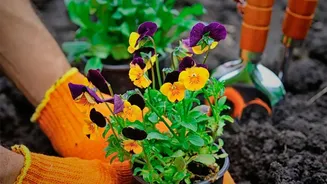
Finally, use this time to plan ahead. Some of your tender, tropical plants might not survive the cooler winter temperatures, depending on your region. Identify which plants may need to be moved indoors or to a more protected spot later in the year. September is also the perfect time to start thinking about a winter garden. Many beautiful flowering annuals, like marigolds, petunias, and pansies, can be planted now to provide colour through the cooler months. You can also sow seeds for winter vegetables if you have a sunny enough spot.