

Why Your Gut Needs Extra Care During Monsoon
The rainy season creates an ideal environment for harmful bacteria and viruses to thrive. High humidity slows down our digestion, leading to common issues like bloating, acidity, and indigestion. Furthermore, the risk of waterborne infections like diarrhoea
and gastroenteritis increases significantly, as heavy rains can contaminate water supplies. This seasonal shift puts your gut microbiome—the community of trillions of bacteria living in your digestive tract—under immense pressure. When this delicate ecosystem is disrupted, your immunity can take a hit, making you more susceptible to illness. Supporting your gut with the right foods is therefore crucial for staying healthy throughout the season.
The Power of Fermentation: Nature's Probiotics
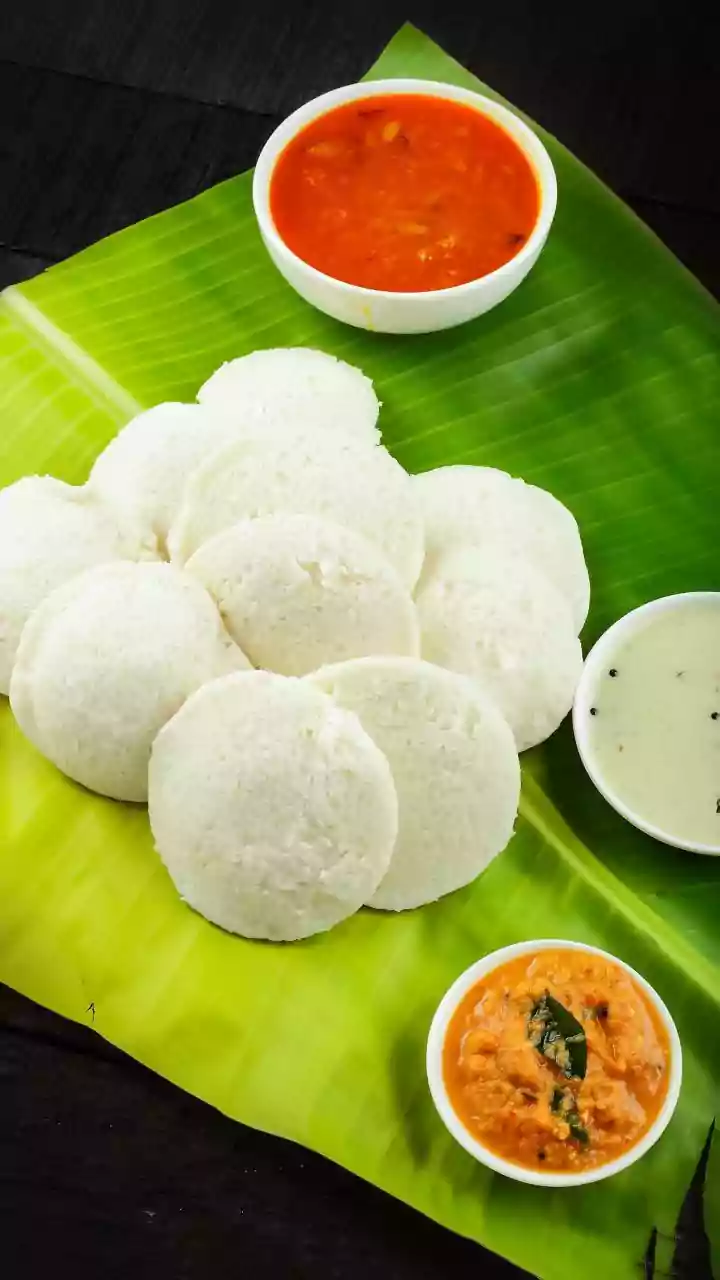
One of the most effective ways to support your gut is by consuming naturally fermented foods. Fermentation is a process where microorganisms like bacteria and yeast break down food components, creating beneficial compounds, including probiotics. Probiotics are live, good bacteria that help restore balance to your gut microbiome, improve digestion, and strengthen your immune system. Many traditional Indian foods are naturally rich in these friendly microbes. Incorporating them into your diet is a time-tested strategy for enhancing digestive strength, especially when your system is vulnerable during the monsoon.
Probiotic Pickles: A Tangy Health Boost
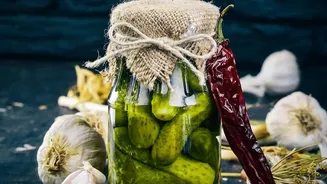
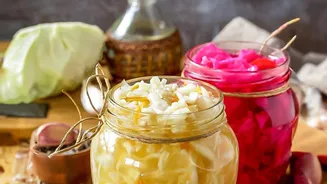
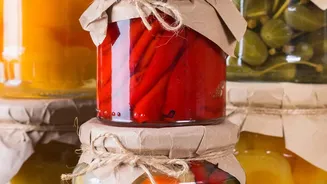
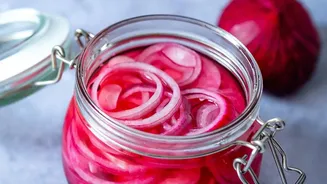
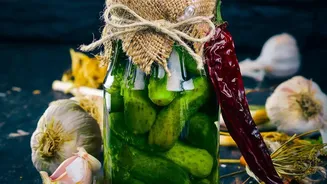
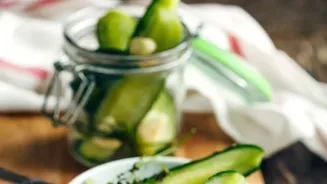
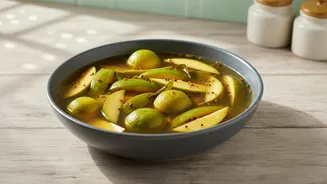
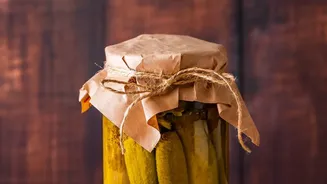
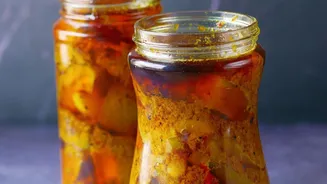
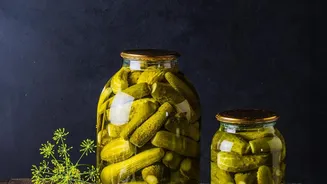
When we talk about probiotic pickles, we don't mean the commercial, vinegar-based varieties. Traditional Indian pickles (achaar) made through lacto-fermentation are teeming with gut-friendly bacteria. The process involves preserving vegetables in salt and sometimes oil, which encourages the growth of beneficial lactobacillus bacteria. These pickles not only act as a digestive aid but also enhance the flavour of your meals. Good choices for monsoon include Amla (Indian gooseberry) pickle, which is also rich in Vitamin C, and pickles made from raw mango, lemon, or green chillies. The key is to consume them in moderation due to their high salt content.
Gut-Cooling Probiotic Drinks to Sip On
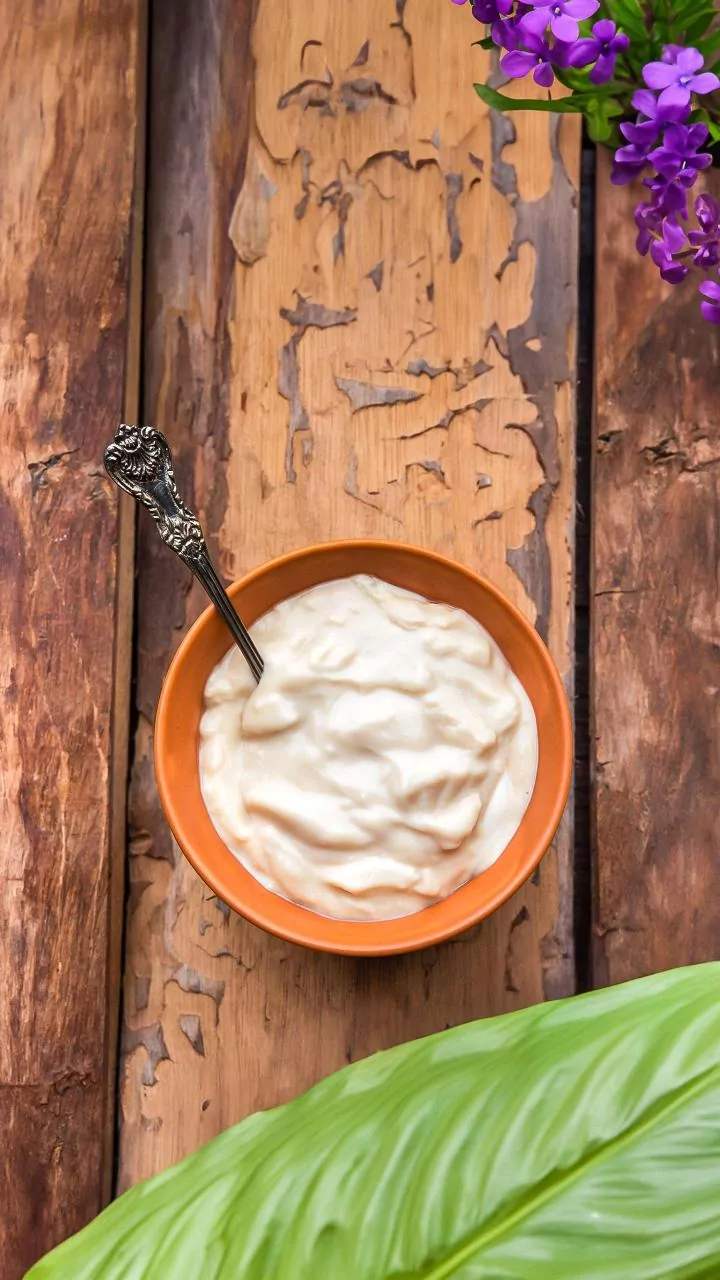
Beyond pickles, several traditional Indian drinks are excellent sources of probiotics and are particularly soothing during the humid monsoon months. Chaas (Buttermilk): Often called 'grandma's probiotic', chaas is a refreshing drink made by churning curd (yogurt) and water. It is light on the stomach, aids digestion, reduces bloating, and helps replenish fluids. Spicing it with roasted cumin powder, ginger, and fresh coriander leaves can further enhance its digestive benefits. [2-6] Kanji: This is a classic North Indian fermented beverage, traditionally made with black carrots, though red carrots and beetroot can also be used. The drink is prepared by fermenting the vegetables in water with salt and ground mustard seeds for a few days in the sun. The result is a tangy, savoury drink that is a powerhouse of probiotics, known to improve gut health and aid digestion.
Tips for Making and Consuming at Home
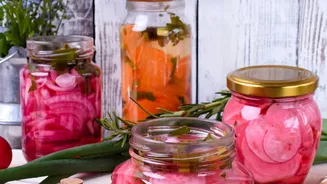
To reap the full benefits of these probiotic foods, it’s best to prepare them at home. This way, you can control the quality of ingredients and ensure the fermentation process is natural. For Pickles: Always use clean, sterilized glass jars to prevent bad bacteria from growing. Ensure vegetables are completely dry before pickling, as moisture can lead to mould. Use good quality rock salt and cold-pressed oils if the recipe calls for it. Let the pickle ferment in a cool, dark place or in the sun, depending on the tradition. For Drinks: When making chaas, use fresh, homemade curd for the best probiotic content. For kanji, use filtered water and allow it to ferment naturally; tying a muslin cloth over the jar's mouth allows for air circulation while keeping contaminants out. Remember that these are living foods, so their taste will evolve. Store them in the refrigerator once they reach your desired level of fermentation to slow the process down.