





A New Chapter in Tea Drinking
For many Indians, tea is a daily ritual deeply woven into the cultural fabric. But as wellness becomes a priority, many are looking beyond the familiar milk-and-sugar-laden chai. Enter botanical-infused orthodox teas. This growing trend marries the craftsmanship
of traditional tea-making with the wellness benefits of natural herbs and flowers. Unlike mass-produced teas, orthodox teas consist of whole or minimally broken leaves, processed using traditional methods that preserve their complex flavours and aromas. When these premium leaves are blended with botanicals like hibiscus, chamomile, rose, or mint, the result is a multi-layered beverage that is both delicious and functional, catering perfectly to a modern, health-aware palate.
The Orthodox Edge Over CTC
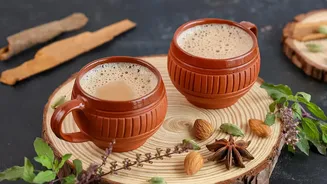
Most of the tea consumed in India is CTC (Crush, Tear, Curl) tea. This method was designed for efficiency, producing small, hard pellets that brew a strong, dark, and often astringent liquor. CTC tea is the robust base for the classic masala chai, as it stands up well to milk, sugar, and boiling with spices. Orthodox teas, in contrast, are about nuance and delicacy. The leaves are carefully hand-plucked and rolled to maintain their integrity, resulting in a more refined, less bitter brew with complex flavour notes. This production method preserves the singular virtues of the tea leaf, offering what many connoisseurs consider a more authentic tea experience. While CTC is built for boldness, orthodox tea is crafted for flavour complexity, making it the perfect canvas for subtle botanical infusions.
A Symphony of Flavours and Benefits
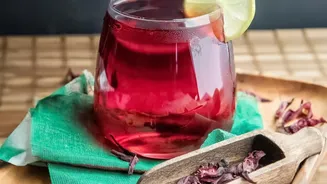
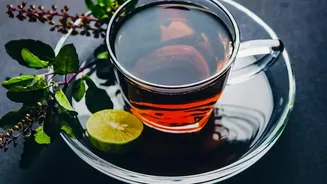
The real magic of these teas lies in the botanicals. Each ingredient adds not only a unique flavour dimension but also a host of wellness properties rooted in traditions like Ayurveda. Chamomile and lavender blends are sought after for their calming properties, known to aid relaxation and improve sleep quality. Hibiscus tea, with its vibrant red hue and tart flavour, is rich in Vitamin C and has been recognised for its role in supporting heart health. For a post-meal digestif, infusions with peppermint, ginger, and fennel can help soothe the stomach and reduce bloating. Meanwhile, blends with Tulsi (Holy Basil) are celebrated for their adaptogenic qualities, helping the body manage stress and support immunity. These are not just drinks; they are functional beverages that nourish from within.
A Mindful Ritual for Modern Life
The appeal of botanical-infused orthodox tea goes beyond its health benefits; it’s about embracing a mindful ritual. In a world of digital overload and constant demands, the simple act of brewing and savouring a cup of loose-leaf tea offers a moment of pause and tranquillity. This trend aligns with a broader shift among urban Indians towards proactive wellness and mental fitness. It transforms a daily habit into a sensory experience — appreciating the aroma of the dried leaves, watching them unfurl in hot water, and tasting the delicate interplay of flavours. For the busy urban drinker, this small, quiet ritual can be a powerful tool for stress reduction and a way to connect with the present moment, making wellness an accessible, everyday practice.
How to Choose Your Perfect Brew
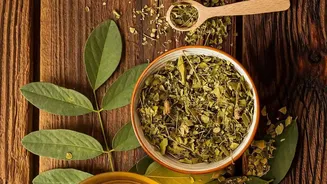
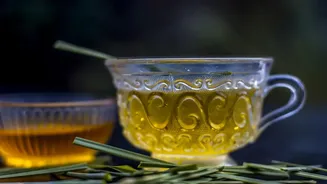
Navigating the world of artisanal teas can be exciting. When starting, look for brands that are transparent about their sourcing. The best quality infusions will use whole orthodox tea leaves and clearly identifiable botanical elements like flower petals, dried herbs, and pieces of spice, rather than relying on 'natural flavours'. Read the ingredient list to ensure there are no artificial additives or sweeteners. Don't be afraid to experiment with different blends to find what suits your palate and wellness needs. Whether you seek the calming embrace of chamomile before bed, the invigorating zest of lemongrass in the afternoon, or the floral notes of rose for a gentle lift, there is an entire world of botanical teas waiting to be discovered.