





Mindset Over Location
The first and biggest hurdle for many is psychological. We associate fitness with a specific place: the gym, the park, the running trail. But your muscles don't know whether they're lifting a dumbbell in a commercial gym or your own bodyweight in the living
room. Physiologically, the stimulus for muscle growth and cardiovascular improvement depends on factors like mechanical tension and progressive overload, both of which are achievable anywhere. The convenience of home workouts often leads to better consistency. There's no commute, no waiting for equipment, and no fixed hours. This flexibility removes common barriers, making it easier to stick to a routine, which is the true secret to long-term fitness success.
Harness the Power of HIIT
If you think indoor workouts mean low-intensity, think again. High-Intensity Interval Training (HIIT) is perfectly suited for home environments and is incredibly time-efficient. HIIT involves short bursts of all-out effort followed by brief recovery periods. This method can burn as many calories as a much longer steady-state cardio session. Studies have shown HIIT is highly effective for fat loss, partly due to the "afterburn effect," where your body continues to burn calories at an elevated rate for hours after the workout ends. Exercises like burpees, high knees, jumping jacks, and mountain climbers require no equipment and can be done in a small space, delivering a powerful cardiovascular punch.
Master Your Bodyweight
One of the most effective tools for indoor fitness is already with you: your own body. Bodyweight exercises, or calisthenics, are a potent form of resistance training that builds strength, muscle, and endurance. Research has shown that bodyweight training can significantly increase strength and muscle thickness. One study even found that push-ups performed to failure can be as effective for muscle growth as bench pressing with moderate weights. Exercises like squats, lunges, planks, and push-ups are functional movements that engage multiple muscle groups at once, improving core stability and coordination. As you get stronger, you can progress by adding repetitions, reducing rest time, or moving to more advanced variations.
Incorporate Strength and Flexibility
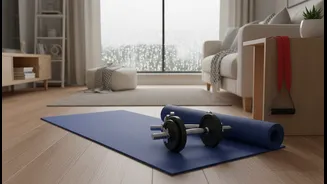
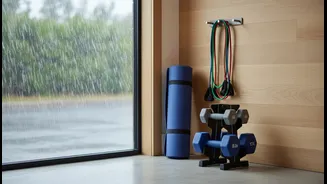
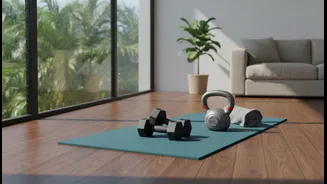
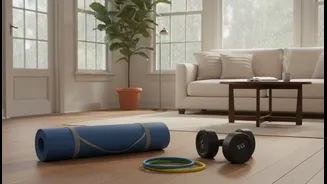
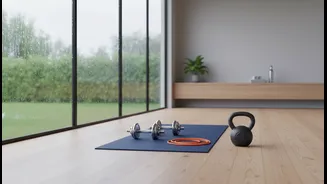
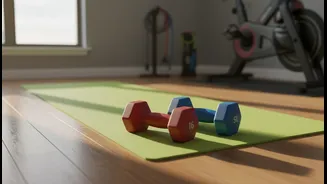
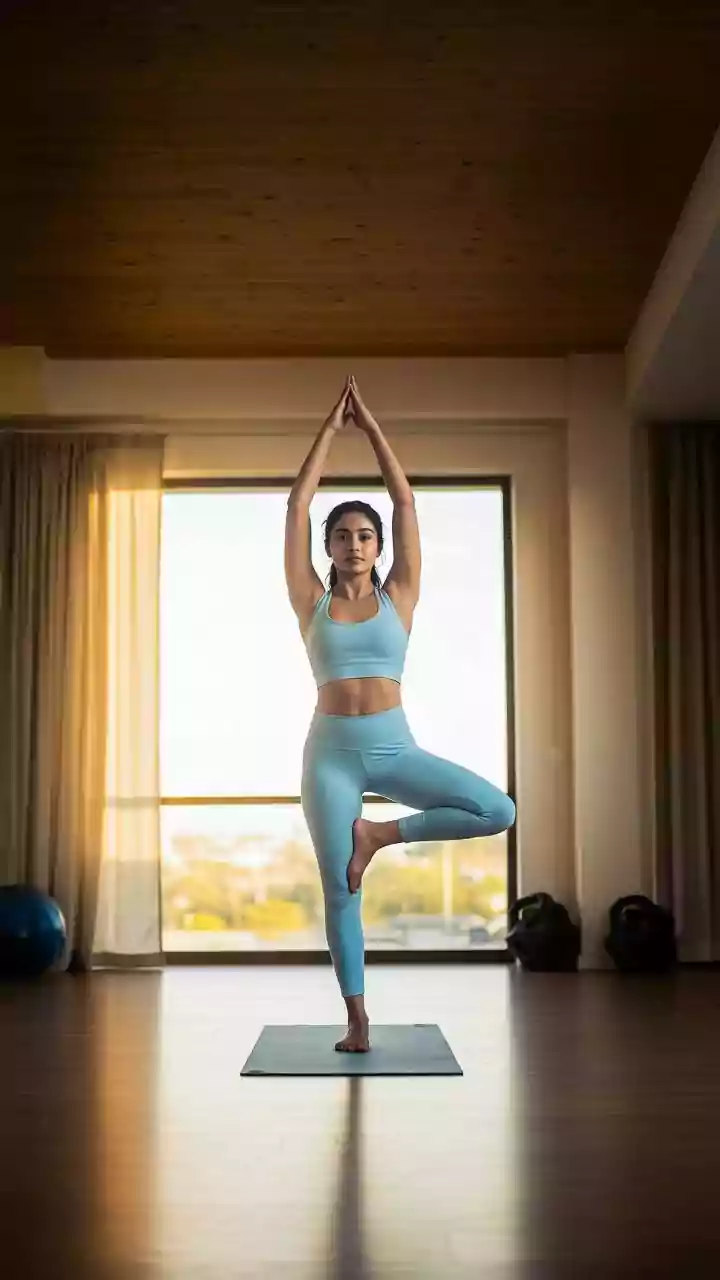
A well-rounded fitness plan isn't just about cardio. You can easily incorporate strength training at home with minimal investment. Resistance bands and a pair of adjustable dumbbells can add a new dimension to your workouts, targeting muscles that are harder to engage with bodyweight alone. Equally important is flexibility and mobility work. Yoga, Pilates, or a simple stretching routine can be done anywhere and are crucial for preventing injury, improving range of motion, and reducing stress. Online platforms and fitness apps offer endless guided sessions, from beginner yoga to advanced Pilates, making expert instruction highly accessible.
The Mental Health Advantage
The benefits of exercise extend far beyond the physical. Regular physical activity is a proven tool for improving mental health by reducing anxiety, depression, and stress while boosting self-esteem and mood. Indoor workouts provide a private, judgment-free space, which can be particularly beneficial for those who feel self-conscious in a gym environment. This comfort can lead to a more focused and enjoyable workout, helping you build confidence and a positive relationship with exercise. By removing external pressures, you're free to concentrate on your form and effort, making the session both mentally and physically more effective.