



Understanding the Double Threat
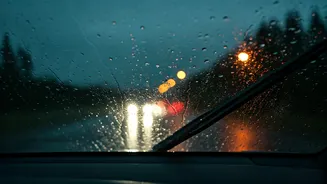
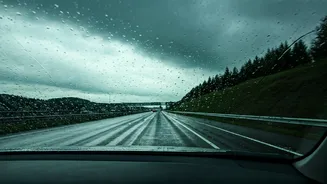
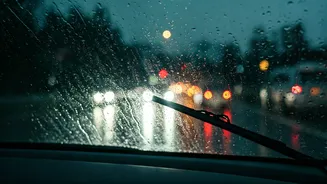
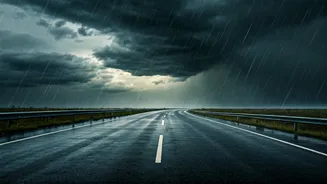
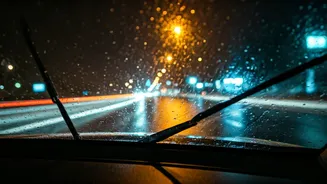
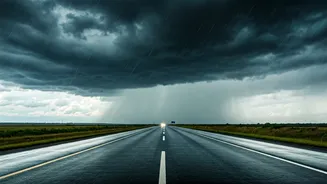
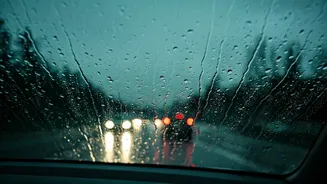
Driving at night is inherently more dangerous due to reduced visibility. [16] When you add rain, the risks multiply. Rain scatters the light from your headlights, creating glare and further limiting how much of the road you can see. [18] It also makes
it harder to see lane markings and potential hazards. [16] Furthermore, water on the road surface mixes with oil and grime, creating exceptionally slick conditions, especially during the first few minutes of a downpour. [8] This combination dramatically increases stopping distances and the risk of losing control of your vehicle. [9]
Prepare Your Vehicle Before You Go
Safety begins before you even turn the key. A few simple checks can make a world of difference. First, inspect your tyres. They are your only connection to the road. [11] Ensure they have adequate tread depth to channel water away and are inflated to the correct pressure; both underinflated and overinflated tyres can reduce traction. [3, 5] Second, check your wiper blades. If they are cracked, hardened, or leave streaks, replace them immediately. [11] Good visibility is non-negotiable. [11] Finally, ensure all your lights are working correctly—headlights, taillights, and indicators. [3] Clean the lenses to ensure maximum brightness, as dirty or cloudy headlights can significantly reduce light output. [3, 19]
Techniques for Visibility and Control
Once on the road, your driving style needs to adapt. The most crucial adjustment is to slow down. [2, 4] Lower speeds give you more time to react and increase the tyre's ability to grip the wet pavement. [9] Increase your following distance from the vehicle in front of you to at least three or four seconds. [6, 10] This provides a larger safety buffer for braking, which should be done gently and gradually. [2, 10] Avoid using cruise control, as you need to be in full manual control to respond to changes in traction. [6, 7] Use your low-beam headlights; high beams will reflect off the raindrops and create a wall of glare, worsening your visibility. [2, 20]
The Danger of Hydroplaning
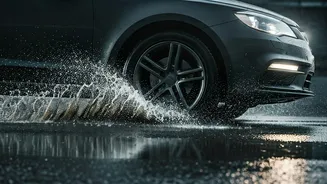
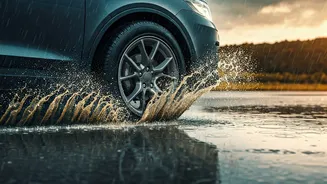
Hydroplaning happens when a layer of water builds up between your tyres and the road surface, leading to a complete loss of steering and braking control. [7] It can occur at speeds as low as 45 mph (about 72 km/h) if conditions are right. [9] To avoid it, steer clear of puddles and standing water when possible, and drive in the tracks of the vehicle ahead of you, where water has already been displaced. [5, 8] If you do start to hydroplane, do not panic and do not slam on the brakes. [5] Instead, ease your foot off the accelerator and steer gently in the direction you want the car to go until you feel the tyres regain contact with the road. [7, 9]
Be Seen, Be Aware
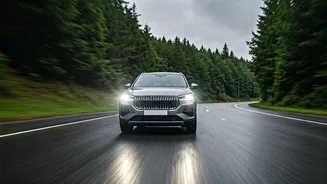
In rainy conditions, it's just as important to be seen as it is to see. Always drive with your headlights on, even in light rain during the day, to make your vehicle more visible to others. [10, 17] Be extra cautious of pedestrians and cyclists, who are harder to spot at night and may be distracted by the weather. [4] It’s also wise to keep the inside of your windshield clean to prevent interior glare and use your air conditioning or defroster to prevent the windows from fogging up. [14, 22]