



The Modern Bob, Redefined
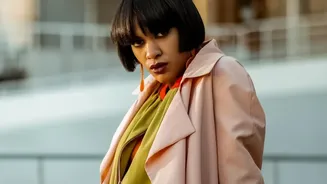
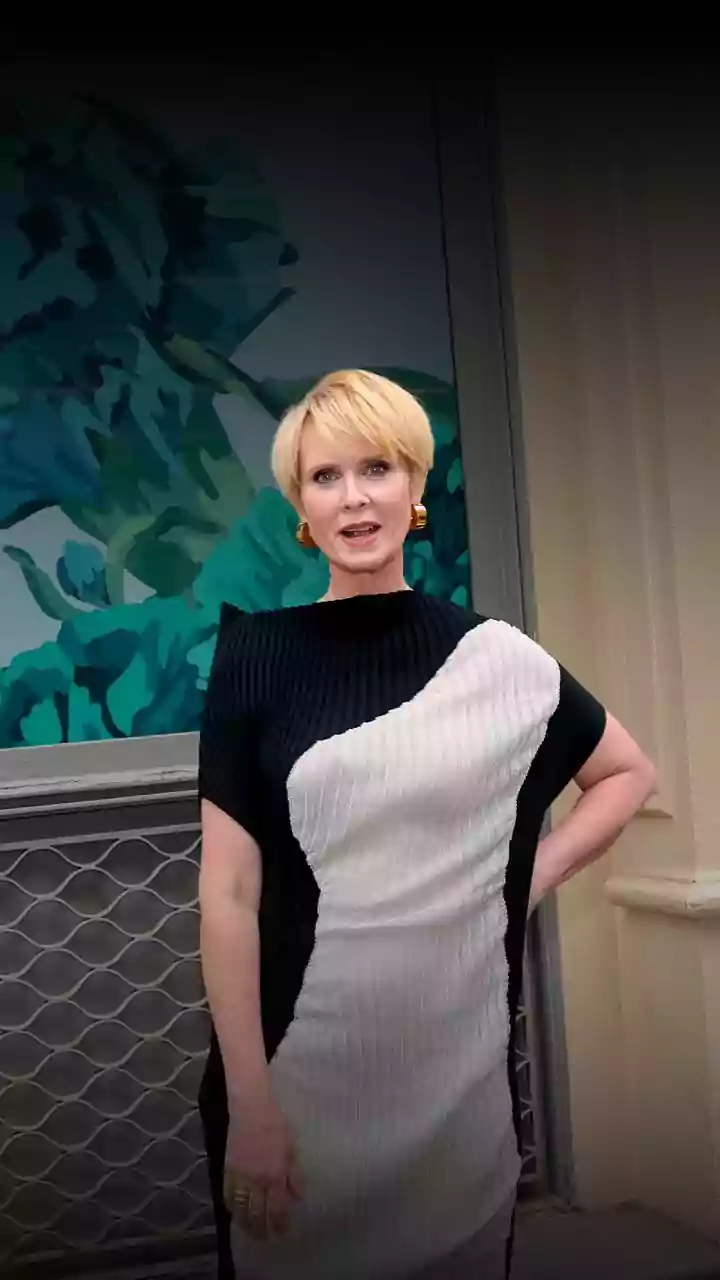
Forget the single-length, blunt bob of the past. The modern iteration is all about movement, texture, and personalization. A layered bob incorporates different lengths throughout the hair to create volume and prevent the style from looking heavy or flat.
The magic, however, lies in the addition of face-framing ends. These are shorter, angled pieces cut specifically around the face to draw the eye, add softness, and give the haircut a purposeful, styled finish. Unlike a full head of layers, these pieces are concentrated at the front, creating a subtle curtain effect that highlights your best features.
The Art of Softening Angles
The primary reason this cut works so well on square, heart, or diamond-shaped faces is its ability to counteract sharp lines with soft curves. A strong, angular jawline can be beautifully balanced by wispy layers that begin around the cheekbones or jaw. These pieces break up the straight, hard line of the jaw, creating the illusion of a softer, more oval shape. The layers throughout the rest of the bob add movement and prevent the hair from forming a solid, blocky shape, which can otherwise accentuate squareness. By strategically placing these softer pieces, the focus shifts from the corners of the face to features like the eyes and cheekbones.
Is This Cut Right For You?
While particularly flattering for angular faces, the layered bob with face-framing ends is remarkably versatile. The key is customizing it to your hair type and texture. For those with fine or thin hair, layers can create the illusion of thickness and volume. The face-framing pieces add shape without sacrificing precious density. If you have thick hair, internal layers can remove bulk and prevent the dreaded 'triangle' shape, allowing the bob to move freely. Wavy and curly hair textures are also ideal for this cut, as the natural bend of the hair enhances the soft, textured look the layers are meant to create. The style can be adapted to work with almost any hair type, provided it's tailored by a skilled stylist.
The Salon Conversation: What to Ask For
Clear communication with your stylist is crucial to getting the cut you envision. Bringing inspiration photos is always the best first step. Instead of simply asking for a 'layered bob', be specific. Use phrases like 'soft, face-framing layers that start at my cheekbones' or 'chin-length with subtle layers to soften my jawline'. Specify that you want to avoid a blunt, one-length cut that stops directly at the jaw, as this can add harshness. It's also helpful to discuss your daily routine. If you prefer to air-dry your hair, ask for layers that will work with your natural texture rather than requiring a full blowout to look good. A good stylist will assess your face shape and hair density to recommend the perfect placement for your layers.
Styling Your New Look at Home
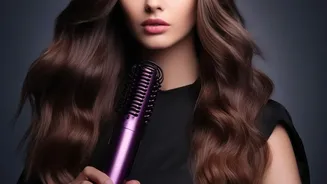
Maintaining the soft, modern feel of this cut at home is easier than you might think. For a smooth finish, use a round brush while blow-drying to gently curve the ends inward, creating that flattering 'C' shape. This technique enhances the face-framing effect. If you prefer a more undone, textured look, apply a sea salt or texturizing spray to damp hair and scrunch it as it dries. A flat iron can be used to create subtle, imperfect bends in the hair, adding to the effortless vibe. For fine hair, a light volumizing mousse can provide lift at the roots without weighing down the ends. The goal is to enhance the movement created by the layers, not to force the hair into a perfectly stiff style.