


A Renaissance of Ancient Grains
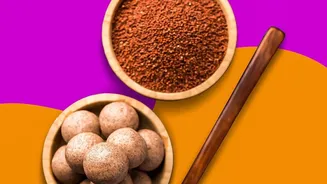
For years, polished rice and refined wheat dominated the Indian plate. But today, a shift is underway, driven by a renewed appreciation for health and heritage. Ancient grains, once dismissed as “poor man’s food,” are being celebrated as superfoods. Millets
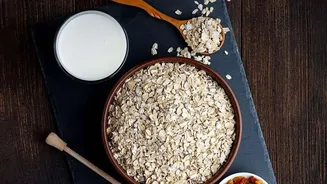
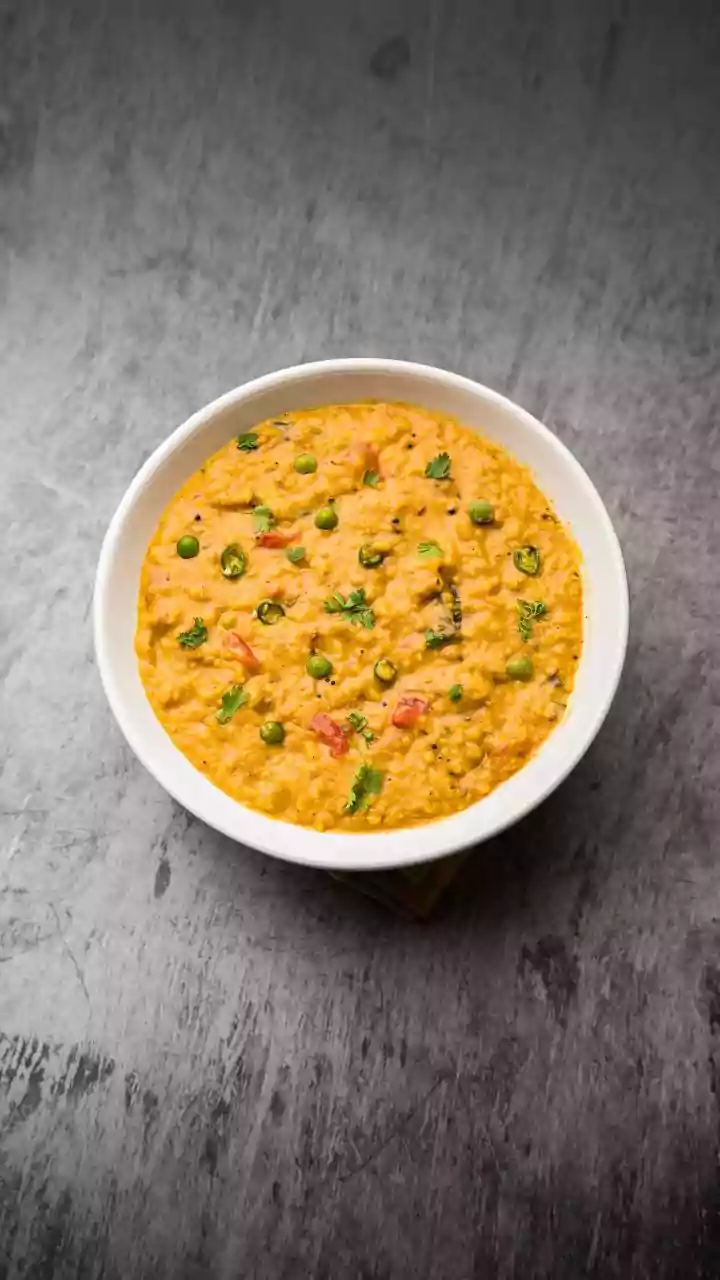
like ragi (finger millet), jowar (sorghum), and bajra (pearl millet) are leading this charge. Packed with nutrients like calcium and iron, and naturally gluten-free, these grains are finding their way into everything from breakfast dosas and porridges to hearty khichdis. This revival is partly thanks to a growing awareness of their health benefits, including better blood sugar control and improved digestion. As consumers increasingly seek nutritious meals that don't compromise on taste, these traditional staples are being embraced by a new generation.
The Quest for Authenticity
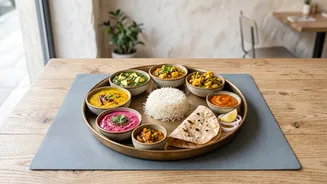
The trend goes far beyond just ingredients. There is a growing hunger for authenticity and a deeper connection to regional culinary roots. Diners and home cooks are looking past the generic pan-Indian curries that once defined restaurant menus. Instead, they are exploring the nuances of hyperlocal cuisines, from the smoked meats of the Northeast to the specific souring agents like kodampuli used in Keralan fish curries. Chefs are acting as culinary historians, reviving forgotten recipes and cooking techniques that were at risk of disappearing. This movement is about more than just nostalgia; it’s a confident celebration of India's vast and varied food culture, presented with pride rather than being simplified for a wider audience.
The Rise of the Home Chef
This culinary revival isn't just happening in fine-dining establishments. A significant part of the movement is powered by home chefs, who have become essential players in the urban food landscape. Historically, personal cooks or 'khansamas' were common in many Indian households, but today’s home chefs are entrepreneurs. Leveraging social media and delivery platforms, they offer personalised, authentic meals that provide a taste of home-style cooking. Many specialise in specific regional or community-based cuisines, giving customers access to dishes they wouldn’t find in a typical restaurant. This cottage industry reflects a demand for comfort, quality, and the unique stories behind the food we eat.
Tradition with a Modern Twist
While the focus is on tradition, it doesn't mean a rejection of the new. Many urban cafes are reinterpreting classic dishes for a modern palate. This isn’t about confusing fusion food, but rather using contemporary techniques to enhance traditional flavours. You might find a turmeric latte, a modern take on 'haldi doodh', on a coffee shop menu or see a chef using dehydration to capture the essence of a vada pav without the heaviness. Newer cafes are creating immersive experiences, blending India's cultural roots with a contemporary vibe to attract younger generations, especially Gen Z. This thoughtful evolution ensures that traditional Indian food is not just preserved, but that it continues to innovate and inspire.