
The Frustration of Fugitive Seeds
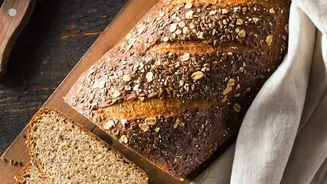
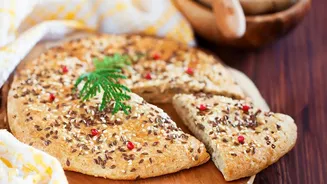
You’ve kneaded your dough to perfection, let it rise, and shaped it with care. As a final flourish, you cover the top with a generous layer of crunchy, flavourful seeds. But after baking, a simple slice sends sesame, poppy, or nigella seeds scattering
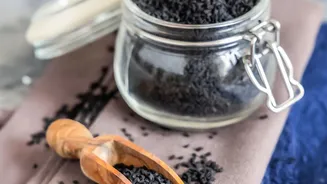
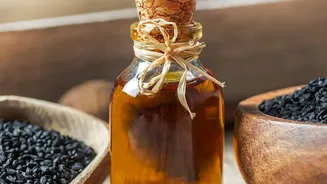
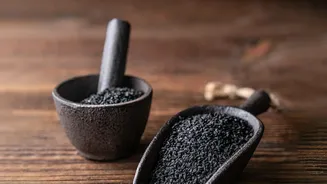
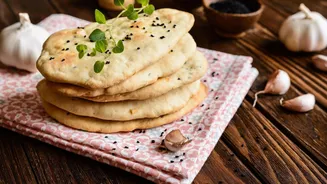
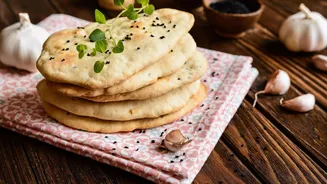
across your countertop. This is a common baking challenge, but thankfully, one with a very easy solution. Toppings need an adhesive surface to cling to as the dough expands in the oven's heat. A simple brush of liquid, applied just before baking, creates the 'glue' that ensures your toppings stay firmly attached from oven to table. The focus of the headline, nigella seeds—often known as kalonji in India—are a perfect example. These small, black, teardrop-shaped seeds have a unique peppery, slightly bitter flavour with hints of onion and oregano, making them a popular topping for breads like naan and other flatbreads. Making them stick is key to enjoying their distinctive taste and texture with every bite.
The Simple Science of Sticking
The principle behind a bread wash is straightforward: moisture helps things stick. When you brush a liquid over your proofed dough, it creates a tacky surface. As the bread bakes, the liquid evaporates and the proteins and sugars in the wash help to bond the seeds to the crust. But not all washes are equal. The choice of liquid—be it water, milk, or even egg—does more than just act as an adhesive. Each one interacts with the heat of the oven differently, fundamentally changing the colour, texture, and shine of your finished crust. Understanding these differences allows you to control the final outcome, tailoring the crust to be exactly as you wish: soft and matte, golden and shiny, or rustic and crisp. The technique is the same, but the results can be wonderfully varied.
The Water Wash: Simple and Crisp
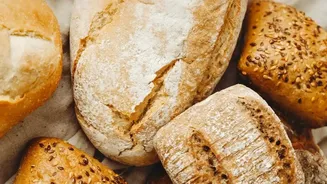
The most basic wash is plain water. For crusty, artisan-style loaves, water is often the best choice. It doesn't add any fat or sugar, so it interferes least with the development of a crisp, chewy crust. A water wash won't produce a high-gloss shine or deep golden-brown colour; the finish will be more matte and rustic. However, its primary job is to help seeds adhere, and it does that effectively. For maximum seed adhesion, some bakers recommend using a damp towel. You can gently roll your shaped dough on a moist, clean towel before rolling it in a tray of seeds. This ensures the entire surface is tacky, grabbing onto the seeds for a full-coverage, professional look. This method is particularly effective for high-temperature bakes where milk or egg might burn.
The Milk Wash: For a Softer, Tender Crust
When you want a softer crust and a bit more colour, milk is an excellent choice. The natural sugars and fats in milk promote browning through the Maillard reaction, giving your bread a lovely golden hue that’s more pronounced than what water can achieve. The fat also helps to tenderise the crust, making it softer and more suitable for sandwich breads, dinner rolls, and brioche. A milk wash results in a softer, more matte finish compared to the high gloss of an egg wash. Simply brushing milk over the dough before baking will not only help your nigella seeds stick but will also yield a loaf with a pleasing, even colour and a tender bite. For a slightly richer colour, whole milk is preferable to skim due to its higher fat content.
Beyond Water and Milk: The Egg Wash Option
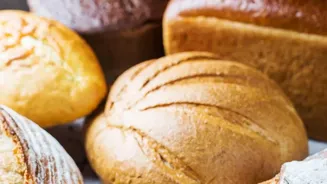
For a truly professional, bakery-style finish, the egg wash is the gold standard. An egg (or part of an egg) beaten with a small amount of water or milk creates a wash that delivers both superior browning and a beautiful, glossy shine. The proteins in the egg provide the sheen, while the fat in the yolk contributes to a deep, golden-brown colour. An egg wash is incredibly versatile. A whole egg wash gives a classic golden shine. Using only the yolk produces an even deeper, richer colour, perfect for enriched breads like challah. And for a clear shine without much browning, an egg white wash is ideal. Like water and milk, an egg wash is a fantastic adhesive for seeds and other toppings. It’s the perfect choice when you want your bread to look as spectacular as it tastes.