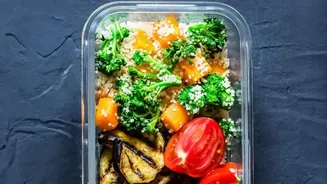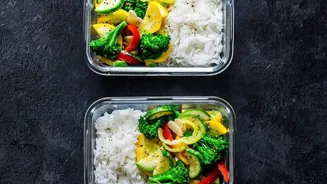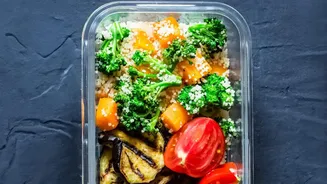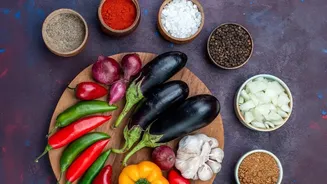


The dreaded 'what's for dinner?' question can bring a sense of daily panic. Twice-weekly batch cooking offers a manageable solution, breaking down meal prep into two smaller sessions to keep your food fresh and your weeknights stress-free.
The Smarter Way to Meal Prep
Traditional
batch cooking often conjures images of a marathon Sunday session, leaving you with a fridge full of identical containers and a mountain of dishes. The twice-weekly approach is different. It involves two shorter, focused cooking sessions—one at the start of the week (like Sunday) and a quick refresh mid-week (perhaps Wednesday). This method ensures that your meals for Thursday and Friday are just as fresh and appealing as those on Monday and Tuesday. Instead of cooking five full meals, you prepare versatile components that can be mixed and matched, preventing flavour fatigue and reducing the risk of food spoilage.
More Than Just Saving Time
The most obvious benefit of batch cooking is reclaiming your weeknights. But the advantages go much deeper. Planning your meals reduces 'decision fatigue'—that mental drain from making constant choices. It promotes healthier eating by making a home-cooked meal the easiest option, steering you away from last-minute takeaways. Furthermore, it's a powerful tool for your wallet and the planet. By planning your shopping and using everything you buy, you can significantly cut down on food waste and save money. It also allows for better portion control, as you can divide meals into sensible servings right after cooking.
Your Twice-Weekly Game Plan
Success starts with a simple plan. First, decide on a few meals for the next few days. Your first prep session (e.g., Sunday) is for the bigger tasks. This is when you'll cook grains, roast a large batch of vegetables, and prepare your main proteins. The goal is to create building blocks. For your second session (e.g., Wednesday), focus on quicker tasks. This might involve chopping fresh vegetables for salads, marinating a protein for the next day, or whipping up a new sauce to keep things interesting. Always start your prep session by getting the items with the longest cooking times going first, like rice or roasting vegetables, then tackle quicker tasks while they cook.
The Building Blocks: What to Cook
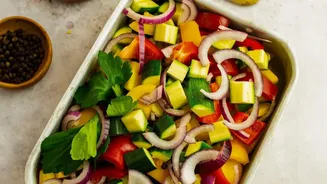
The key to flexible batch cooking is preparing components, not just complete meals. Aim to make a few of these during each session: Grains: Cook a large pot of rice, quinoa, or barley. These are the perfect base for bowls, salads, and stir-fries. Proteins: Roast a whole chicken, brown a large batch of ground meat, bake tofu, or boil a dozen eggs. Shredded chicken, for example, can be used in salads, tacos, and soups throughout the week. Vegetables: Roast a big sheet pan of sturdy vegetables like broccoli, bell peppers, carrots, and sweet potatoes. Keep delicate greens separate and wash them so they are ready to be tossed into a salad. Sauces and Dressings: A flavourful sauce or dressing can completely transform a meal. A simple vinaigrette, a pesto, or a tomato sauce can bring your prepped components together in new ways.
Putting It All Together
With your components prepped, assembling dinner becomes a quick, creative process. On Monday, you might combine shredded chicken, quinoa, and roasted vegetables into a nourishing grain bowl with a drizzle of tahini dressing. On Tuesday, the same chicken and some fresh greens can be wrapped in a tortilla for a quick lunch. The prepped ground meat from your Sunday prep can become a fast pasta sauce on Wednesday. And on Thursday, you can use the remaining roasted vegetables in a quick frittata. The possibilities are endless, ensuring you never feel like you're eating the same thing every day.
Food Safety and Smart Storage
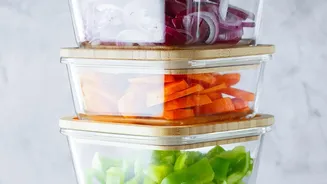
Proper storage is crucial to keep your food safe and delicious. Always let cooked food cool down before sealing it in containers, but don't leave it at room temperature for more than two hours. Divide large batches into smaller, shallow containers to help them cool faster. Invest in a good set of airtight glass or plastic containers. Glass is great for reheating, while plastic is lightweight and often freezer-safe. Label everything with the date it was made. Generally, most cooked meals will last 3–4 days in the refrigerator. For anything you won't eat in that window, the freezer is your best friend.