




The First Drops of Magic
Imagine the scene: the air, thick with the dry heat of May, suddenly cools. A gentle breeze whispers through the coffee plantations, carrying the scent of imminent rain. Then, the first fat drops begin to fall, kicking up the dust and releasing that intoxicating
aroma of petrichor—the smell of wet earth. Within minutes, a steady drizzle turns into a refreshing downpour, washing over the Eastern Ghats. The brownish hues of the hillsides begin to deepen, hinting at the vibrant, almost neon green that will soon dominate the valley. This is the overture to Araku’s most dramatic season, a performance put on by nature itself. The early monsoon doesn't just bring rain; it brings life, painting the valley in colours you have to see to believe.
Why Araku During the Monsoon?
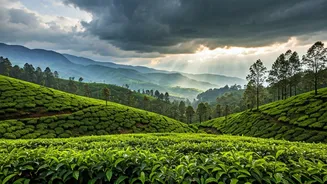
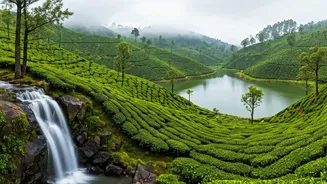
While many tourists flock to Araku during the cooler winter months, the monsoon holds a different, more profound charm. The usual tourist rush thins out, leaving you with a sense of peace and solitude. The valley, famous for its coffee plantations and tribal culture, takes on a mystical quality. Low-hanging clouds drift through the valleys, often enveloping you in a soft, cool mist. The coffee plants, their leaves washed clean and glistening, look healthier than ever. Waterfalls, which are often mere trickles in the summer, roar back to life. It’s a time for quiet contemplation, for sipping hot, locally grown coffee while watching the rain dance outside your window, and for experiencing the hills at their most raw and beautiful.
Must-See Monsoon Sights
Several of Araku’s key attractions are at their absolute best during the rains. The Chaparai Water Cascade, a popular spot where water flows over a wide expanse of sloping rocks, becomes a thrilling sight. It’s the perfect place to witness the power and beauty of the season. While the inner chambers of the Borra Caves remain a constant marvel, the journey to them becomes infinitely more scenic, with lush greenery and small, seasonal streams everywhere you look. For an unforgettable view, head to the Galikonda View Point, the highest point in the district. On a clear day after a spell of rain, the panoramic view of the mist-covered valleys stretching out below is simply unparalleled. The Ananthagiri Hills, on the way to Araku from Visakhapatnam, also become a canvas of endless green and flowing streams.
The Journey is the Destination
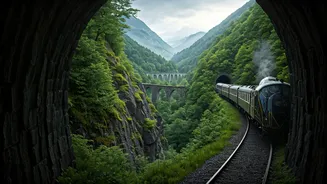
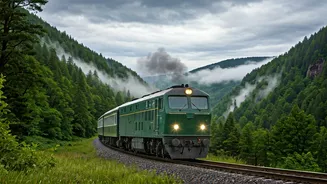
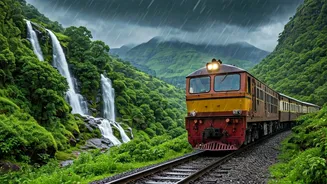
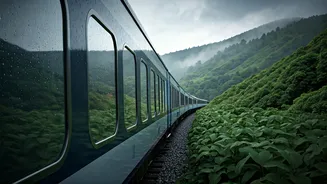
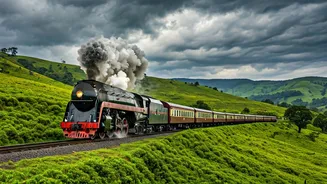
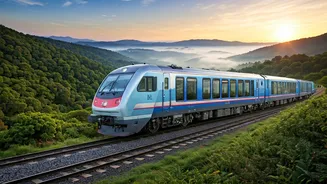
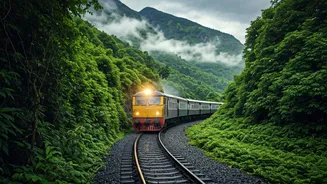
No trip to Araku is complete without the iconic train journey from Visakhapatnam. The Vistadome coach, with its large glass windows and rotating seats, is highly recommended, especially during the monsoon. The train chugs its way through 58 tunnels and over 84 bridges, offering breathtaking views of the verdant landscape. With the monsoon in full swing, you’ll be treated to sights of cascading waterfalls tumbling down hillsides right beside the tracks and valleys filled with clouds. The journey itself becomes an integral part of the experience, a slow, unfolding revelation of the Eastern Ghats' hidden beauty, made even more dramatic by the rain-swept scenery.
A Practical Guide for Your Trip
To catch the early monsoon, plan your visit from the first week of June onwards. The initial showers are often the most beautiful. **Getting There:** The easiest way is to fly or take a train to Visakhapatnam and then travel to Araku by train or car. The drive is about three to four hours and is scenic in its own right. **Where to Stay:** Araku offers a range of options, from government-run resorts like the AP Tourism Haritha Valley Resort to private hotels and cozy homestays that offer a more intimate experience of the local culture. **What to Pack:** Be prepared for rain. A good quality raincoat or umbrella is essential. Pack sturdy, anti-slip footwear for walking on wet and uneven terrain. A light jacket or sweater is advisable as the evenings can get quite cool. And of course, don't forget your camera to capture the misty landscapes.