



From Desert Homes to Your Home
Lippan Kam, also known as mud-and-mirror work, originates from the Kutch region of Gujarat. For centuries, it was primarily the domain of women in communities like the Rabari, Mutwa, and Kumbhar. They would decorate the inner and outer walls of their
circular mud huts, called 'bhungas', with these shimmering murals. This wasn't just for decoration; the thick clay relief work also helped insulate the homes, keeping them cool in the harsh desert climate. The name itself, derived from the Gujarati word for 'to plaster', speaks to its practical origins. Passed down from mother to daughter, this art form was an integral part of domestic life, not a commercial product.
The Traditional Art of Mud and Mirrors
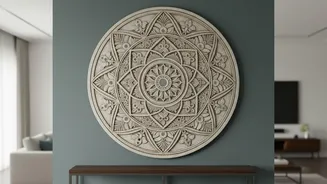
The traditional process is a testament to using locally available materials. The primary base was a mixture of clay and animal dung, typically from camels or horses, which acted as a binding agent and prevented cracking. Artisans would prepare this dough-like mixture and apply it by hand directly onto the mud walls of their homes. While the clay was still wet, they would press small, hand-cut pieces of mirror, known as 'aabhla', into the surface, creating geometric patterns, floral motifs, and depictions of birds like peacocks. Once dry, the entire mural was often coated with a layer of white clay, making the mirrors stand out in brilliant contrast. The entire process was done freehand, a skill honed over generations.
A Modern Makeover for Urban Spaces
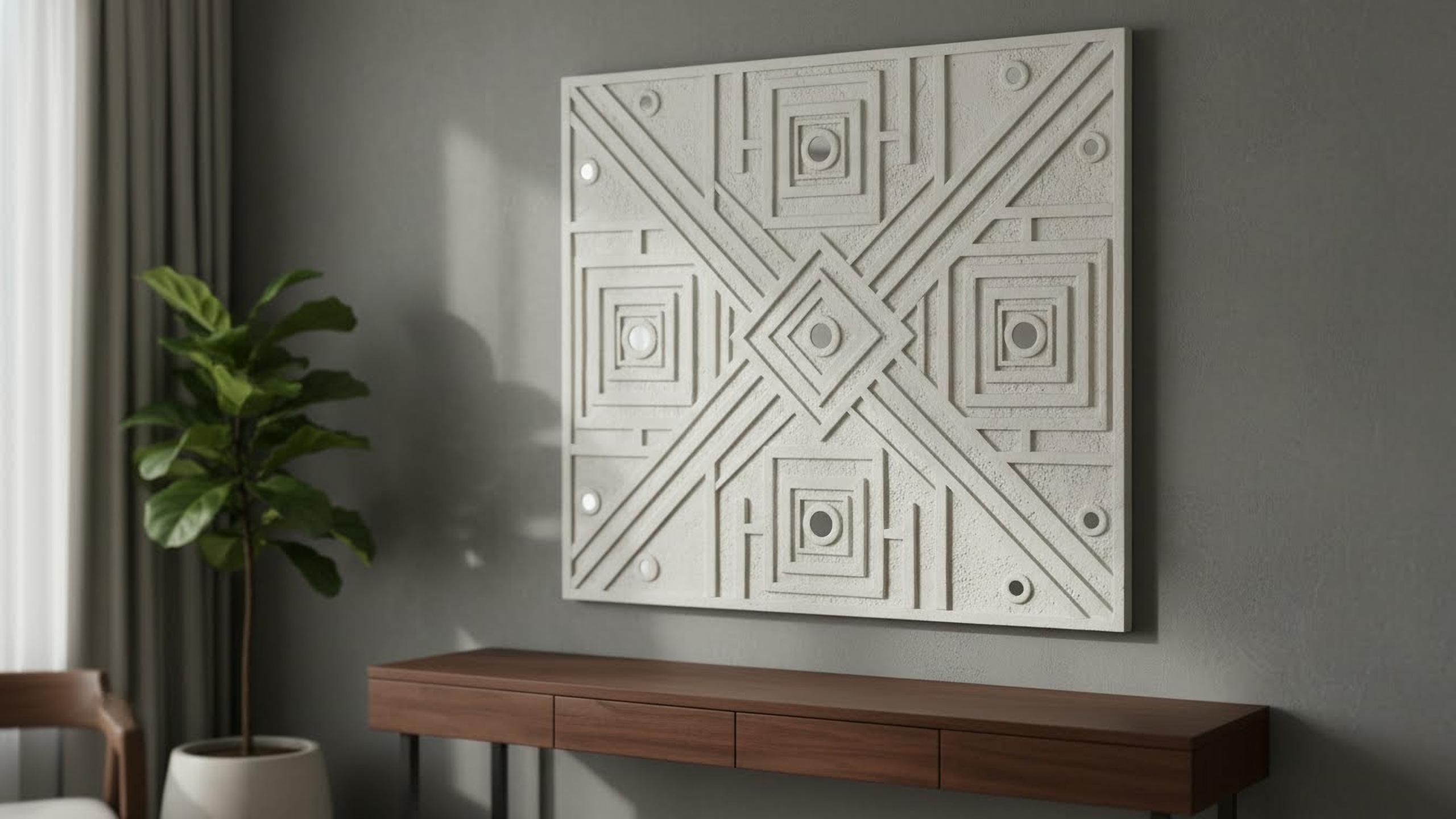
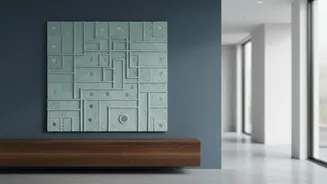
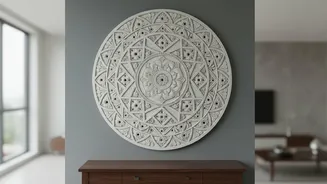
The journey of Lippan Kam from a village wall to an urban accent piece is a story of clever adaptation. To make the art portable and suitable for modern homes, artisans have swapped traditional materials for contemporary alternatives. Instead of a mud wall, the canvas is now often a sturdy MDF board, plywood, or canvas. This makes the artwork easy to create, transport, and hang in any home. The dung and mud mixture has been replaced with more accessible materials like air-dry clay, ceramic powder, or commercially available clay doughs mixed with strong adhesives to ensure longevity.
New Palette, Timeless Appeal
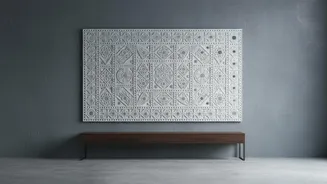
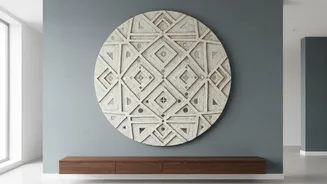
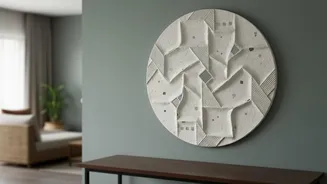
While traditional Lippan Kam was predominantly white or featured earthy tones, the modern iteration embraces a wider colour palette. Artists now use acrylic paints to introduce vibrant hues or sophisticated metallic and pastel shades that complement contemporary interior design trends. This has opened up endless possibilities, allowing the craft to fit into various decor styles, from minimalist to bohemian. You can find everything from small, framed pieces to large, statement wall installations, and even Lippan-inspired furniture. The core essence of textured relief and reflective light remains, but the new materials make it a more versatile and durable art form for today’s homes.
More Than Just Decor
The rising popularity of Lippan Kam is part of a larger movement towards embracing traditional crafts and authentic, handmade items. For many, owning a piece of Lippan art is about connecting with a piece of cultural heritage. The resurgence has also provided a vital economic lifeline to artisans in the Kutch region, transforming a communal craft into a sustainable livelihood. Following the 2001 Gujarat earthquake, there was a renewed focus on preserving the region's unique crafts, which brought Lippan Kam into the national spotlight. Today, it’s not just a trend; it's a celebration of resilience, creativity, and the timeless beauty of Indian craftsmanship.