




Ready to elevate your home cooking? Fresh lemongrass adds a bright, citrusy, and floral note that can transform simple vegetable and tofu dishes. This guide will show you how to unlock its incredible flavour with confidence.
Understanding Your Star Ingredient
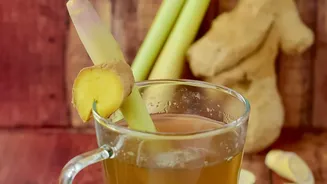
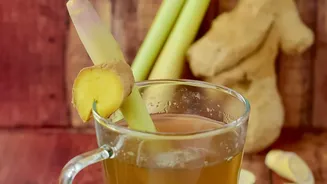
Lemongrass is a stalky herb
central to many Southeast Asian cuisines, particularly Thai and Vietnamese. It looks a bit like a fibrous spring onion but boasts a completely unique flavour profile: citrusy and bright like lemon, but without the acidity, and with a subtly sweet, floral aroma. The magic lies in its aromatic oils, which are released when the stalk is cut or bruised. While its tough, woody texture might seem intimidating, preparing it is surprisingly simple once you know how.
How to Choose and Store Lemongrass
When you're at the market, look for firm, heavy stalks that feel solid and are free of bruises. A pale green hue near the bulbous white base is a good sign of freshness. If a stalk feels light, it has likely dried out and lost some of its precious flavour. Once you have it home, you can wrap the fresh stalks and store them in the refrigerator, where they will keep for a couple of weeks. For longer-term storage, trimmed lemongrass freezes exceptionally well for several months, and freezing even helps break down some of the tough fibres, making it easier to chop later.
The Art of Preparation
To get the most flavour out of lemongrass, you need to prepare it properly. Start by trimming off the hard, woody root end and the dry, leafy upper part of the stalk. Peel away any tough, dry outer layers to get to the more tender core. For dishes like soups or curries where you want to infuse flavour without eating the stalk itself, cut the tender portion into 3-4 inch pieces and 'bruise' them by giving them a good whack with the back of a knife or a rolling pin. This action releases the essential oils. For stir-fries and marinades where the lemongrass will be consumed, you'll want to use only the bottom, most tender part of the stalk, slicing it into very fine rings or mincing it.
Infusing Tofu with Lemongrass
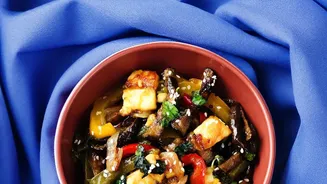
Tofu is a fantastic carrier for the bright notes of lemongrass. The best approach is to marinate it. For a simple and effective marinade, combine finely minced lemongrass with ingredients like soy sauce, lime juice, a bit of sugar, and crushed garlic. Cut a block of extra-firm tofu into cubes or triangles and let it sit in this mixture for at least 30 minutes, or even overnight in the fridge for a more intense flavour. When you're ready to cook, you can pan-fry the tofu pieces until they are golden brown on all sides before combining them with your vegetables.
Cooking Vegetables with Lemongrass
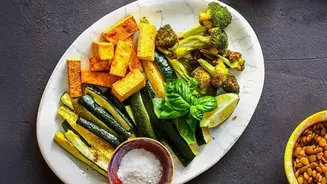
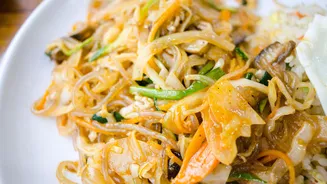
When making a stir-fry, add your finely minced lemongrass to the hot pan along with other aromatics like garlic and ginger at the beginning of the cooking process. Sauté for about a minute until fragrant before adding your vegetables. This allows the flavour to bloom and coat everything that follows. For a stir-fry, quick-cooking vegetables like bell peppers, snow peas, carrots, and broccoli work wonderfully. Add the vegetables and stir fry over high heat until they are tender crisp. You want them cooked through but still retaining a bit of a bite.
Bringing the Dish Together
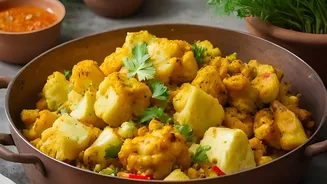
Once your vegetables are nearly cooked, return the golden brown tofu to the pan. Pour in any remaining marinade or a simple sauce made from soy sauce, coconut milk, or vegetable broth, and toss everything together to combine. Let it simmer for a minute or two until the sauce has thickened slightly and coated all the ingredients. Finish the dish with a sprinkle of fresh herbs like coriander or basil and serve immediately with a side of steamed rice or noodles. The result is a vibrant, fragrant meal that perfectly balances the earthiness of tofu and the freshness of vegetables with the unique, zesty kick of lemongrass.