

The Art of the 'Tadka'
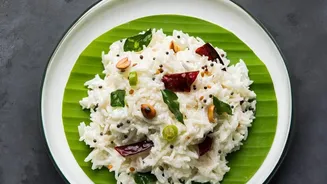
In kitchens across India, it’s a foundational ritual. Ghee or oil is heated in a small pan, and once it's shimmering, whole spices like mustard seeds, cumin seeds, and dried chillies are added. They pop and sizzle, releasing an incredible aroma in seconds.
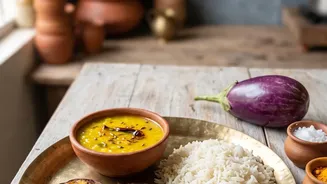
This infused fat, known as tadka (or chaunk, baghar, and other regional names), is then poured over a finished dish like dal, a vegetable curry, or khichdi. This final flourish is often seen as a way to add a burst of flavour, but the tradition runs much deeper. It’s a time-honoured method that instinctively harnesses chemistry to enhance both the taste and the nutritional value of the meal.
Flavour, Fat, and Fire
The magic of tadka is rooted in basic food science. Many of the most important aromatic and medicinal compounds in spices are fat-soluble, not water-soluble. This means they need to dissolve in a fat, like oil or ghee, to be fully released. When you add whole spices to water or a water-based curry, you only get a fraction of their potential flavour and benefits. The hot fat in a tadka acts as a powerful solvent. As the spices hit the heat, their tough cellular walls rupture, releasing volatile essential oils that carry their distinct aromas and bioactive compounds. The fat captures these compounds, infusing the oil and allowing it to distribute them evenly throughout the entire dish, ensuring every bite is rich with flavour and aroma.
Unlocking Turmeric's Power
Perhaps the most significant benefit of thermal tempering relates to turmeric. Its star compound, curcumin, is famously powerful but has very low bioavailability, meaning the body struggles to absorb it on its own. Science shows that two things dramatically help: fat and heat. Curcumin is fat-soluble, so combining it with a fat source is the first crucial step. Studies have shown that heating curcumin can increase its solubility and, therefore, its potential absorption without destroying its beneficial properties. The tadka provides both. Furthermore, many tadka recipes include black pepper, which contains piperine. Piperine is known to inhibit enzymes in the gut that would otherwise break down curcumin too quickly, a combination that has been shown to increase curcumin's bioavailability significantly.
A Symphony of Spices
Turmeric isn’t the only spice transformed by tempering. When mustard seeds pop in hot oil, they release allyl isothiocyanate, a pungent compound linked to their sharp flavour and health benefits. Cumin seeds release cuminaldehyde, which is responsible for their earthy aroma and is known to aid digestion. Asafoetida (hing), a resin with a strong aroma, is almost always bloomed in hot fat to mellow its flavour and unlock its carminative properties that help reduce bloating. Other common tadka ingredients like curry leaves, fenugreek seeds, and dried red chillies also contain fat-soluble vitamins and bioactive compounds that become more accessible after being tempered.
Ancient Wisdom, Modern Science
The practice of tadka is a perfect example of ancient culinary wisdom being validated by modern nutritional science. For generations, Indian cooks have intuitively understood that this method creates more delicious and digestible food. Now, we understand the mechanisms behind it. The process not only extracts and deepens flavour but also effectively turns the cooking fat into a delivery vehicle for important fat-soluble vitamins (like A, D, E, and K) and powerful plant compounds. It enhances the absorption of antioxidants and other phytonutrients that help fight inflammation and support digestion. This simple, quick step transforms a meal from merely sustenance into something deeply nourishing, proving that traditional cooking techniques are often brilliant, time-tested health strategies.