


Why This Check Is Non-Negotiable
Your dog's skin and coat are frontline indicators of their overall health. A shiny, smooth coat and clear, supple skin generally mean your pet is in good shape. Conversely, issues like dullness, dandruff, or excessive greasiness can be the first signs
of underlying problems, ranging from poor nutrition to allergies or other medical conditions. Grooming isn't just for looks; it's a vital part of maintaining your pet's health. This pre-groom assessment ensures that the process provides comfort and hygiene, rather than accidentally causing pain or worsening an existing issue.
The Feel Test: What to Look for by Touch
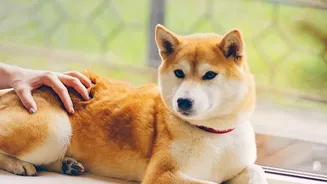
Begin by running your hands all over your dog's body, applying gentle pressure. You're feeling for anything out of the ordinary. Note any lumps, bumps, or areas of thickened skin. Pay close attention to texture. Is the coat brittle, dry, or overly oily? A healthy coat should feel smooth and soft, not coarse. Gently part the fur in several places to check for matting, especially behind the ears, in the armpits, and around the legs and tail. Mats are more than just tangles; they can pull painfully on the skin, trap moisture and dirt, and hide nasty infections or parasites. Severe matting can even restrict blood circulation and movement.
The Visual Inspection: What to Look for by Sight
After the touch test, part the fur in different spots to get a good look at the skin itself. Healthy skin should have an even tone, free of redness, flakes, or sores. Look closely for signs of parasites, like fleas or ticks. Tiny black specks that look like dirt could be 'flea dirt', a common sign of an infestation. Also check for redness, rashes, bald patches, or any crusty areas. These can be signs of allergies, dermatitis, or infections like hot spots—painful, moist patches of inflamed skin. Don't forget to check inside the ears for foul odours or discharge, and look at the paws, between the toes, for any irritation.
Connecting Findings to Grooming Choices
What you find should directly influence the grooming plan. If you discover matted fur, attempting to brush it out can be extremely painful and may damage the skin. The most humane solution for severe mats is often to shave them off, which is a job for a professional groomer. If the skin is red, irritated, or has open sores, avoid using clippers or harsh brushes on that area. Inform your groomer about any sensitive spots, lumps, or warts so they can work around them carefully. If you notice signs of allergies or dry skin, such as dandruff, a hypoallergenic or moisturizing oatmeal-based shampoo might be a better choice than a standard one. In some cases, your vet may prescribe a medicated shampoo that you can bring to the groomer.
When to Involve a Professional
While a home check is a great starting point, a professional groomer is trained to spot issues you might miss. They can advise on the best grooming approach for your pet's specific coat and skin condition. However, groomers are not veterinarians. If your check reveals significant problems like persistent itching, open wounds, widespread rashes, a foul odour, or signs of intense pain, it's time to see a vet. These can be symptoms of deeper health issues that need medical diagnosis and treatment before any styling can happen. Think of your groomer as a partner in your pet's wellness, but your vet is the ultimate authority on their health.