







What is the 'Run to Meditate' Challenge?
At its core, the ‘Run to Meditate’ trend is elegantly simple: you go for a run, and immediately after, you sit for a meditation session. It’s not just about ticking two boxes on your wellness to-do list. The magic is in the synergy. Proponents of the challenge,
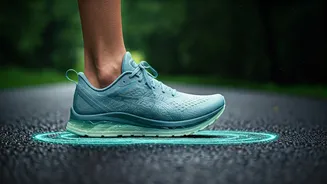
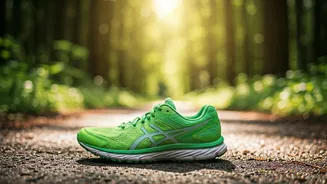
seen across countless wellness vlogs on YouTube and Instagram, frame the run as a powerful primer for the mind. The physical exertion helps to burn off restless energy, anxiety, and the typical mental chatter that can make meditation feel so difficult for beginners. By the time you stop running, your body is tired, but your mind is often surprisingly alert and receptive, creating the perfect conditions for a deeper, more focused meditation practice.
The Social Media Surge
A quick scroll through wellness-focused social media reveals why this trend is 'dominating'. Video vlogs showcase cinematic shots of runners against sunrise backdrops, transitioning to serene scenes of post-run stillness in a park or on a balcony. Voiceovers detail personal breakthroughs in mental clarity and stress reduction. Influencers aren't just showing their workout; they're narrating a journey from physical effort to mental peace. This visual storytelling is powerful. It makes an internal practice—meditation—look aspirational and achievable. The 'challenge' format also adds a layer of community and accountability, encouraging viewers to share their own experiences using specific hashtags, turning a solitary activity into a shared movement.
The Science of Body and Mind
This trend isn't just good vibes and pretty videos; it's backed by some solid science. Running is famous for producing endorphins, the body's natural mood-boosting chemicals, leading to the famed 'runner's high'. This state of reduced discomfort and elevated mood can significantly lower the barrier to mindfulness. Furthermore, rhythmic, repetitive exercise like running can itself be a form of moving meditation. It encourages a focus on breath and physical sensation, pulling you out of your overthinking brain and into your body. When you then transition to a seated meditation, you aren't starting from a 'cold' mental state. You're leveraging the physiological and psychological effects of the run to quiet the mind more effectively. Sports psychologists note that this combination can be particularly effective for managing stress and anxiety, as it addresses both the physical and mental symptoms.
Why Now? More Than Just a Trend
The popularity of 'Run to Meditate' speaks volumes about our current moment. In a post-pandemic world, there's a heightened awareness of mental health and a collective desire for holistic well-being practices that don't treat the mind and body as separate entities. This challenge is the perfect antidote to a sedentary, screen-heavy lifestyle. It's efficient, combining two powerful practices into one time slot. It's also deeply personalisable—you choose the length of your run and the duration of your meditation. It represents a shift from purely aesthetic fitness goals to a more integrated approach where feeling good mentally is just as important as physical endurance.
How to Try It Yourself
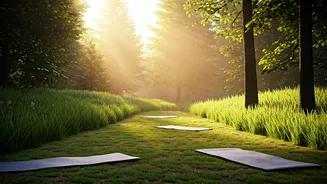
Curious to see what the hype is about? Getting started is simple. Don't feel pressured by the marathon-running vloggers. Start with a short, manageable run—even 10 to 15 minutes is perfect. The goal is to get your heart rate up and break a light sweat, not to exhaust yourself completely. Immediately after your run, find a comfortable, quiet spot. You don't need a special cushion; a park bench or a patch of grass will do. Set a timer for just 5 minutes. Close your eyes and focus on your breath. Notice the sensations in your body: the feeling of your heart beating, the air on your skin, the cooldown process. Your mind will wander—that's normal. Just gently guide your focus back to your breath. The aim isn't to have a 'perfect' meditation, but simply to practice the transition from movement to stillness.