








A Parched and Anxious July
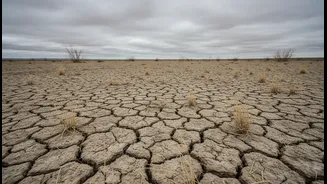
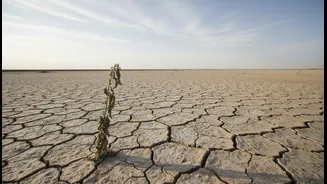
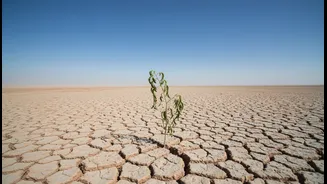
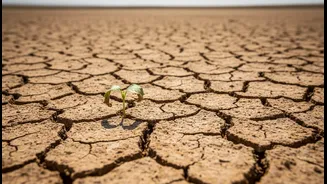
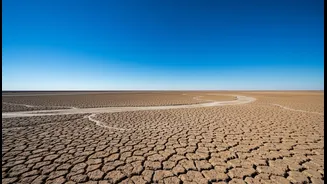
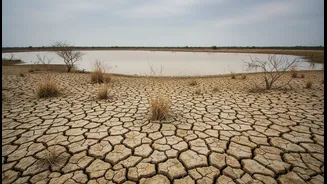
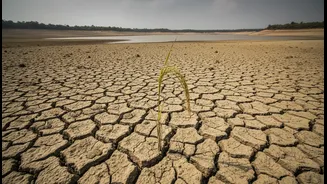
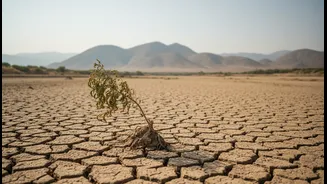
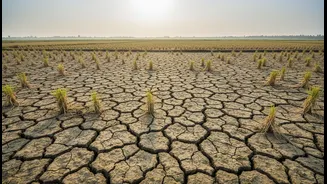
As of early July 2026, Goa’s monsoon is officially faltering. The seasonal rainfall deficit has widened to nearly 27%, with temperatures soaring almost three degrees above normal. This follows a June that saw a deficit of nearly 60%, leaving the state
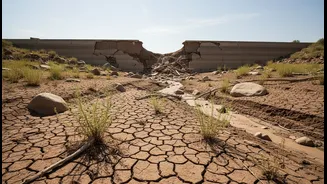
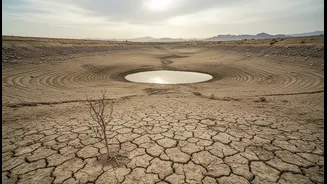
hot, humid, and anxious. The state’s lifeline, the Selaulim dam, was only at 42.5% capacity as of July 7th, a stark contrast to previous years and a worrying sign for the region's drinking water and irrigation supply. While a brief spell of rain in late June and early July offered a flicker of hope, the monsoon quickly weakened again, leaving farmers in limbo and water reservoirs far from their usual spillover dates.
When The Lifeline Becomes a Threat
For generations, a bountiful monsoon was Goa’s very pulse, replenishing its rivers, nurturing its paddy fields, and sustaining its unique culture. But a different story has unfolded in recent decades. Rapid and often unplanned urbanisation has transformed this blessing into a curse for many. In cities like Panaji, Mapusa, and Margao, once-porous landscapes have been paved over. Natural drainage paths and wetlands have been encroached upon, meaning that when heavy rains do arrive, they have nowhere to go. The result is an annual spectacle of chaos: submerged roads, flooded markets, and waterlogged homes, especially when intense rainfall coincides with high tides. This new reality has subtly shifted perceptions, creating a bizarre scenario where the absence of rain brings a sigh of relief.
The Strange 'Utility' of a Weak Monsoon
In this altered landscape, a weak monsoon presents an unlikely utility for some. For residents in flood-prone urban areas like Panaji's 18th June Road or the Mapusa market, less rain means less disruption and damage. The tourism industry, which has been pushing to market Goa as a year-round destination, also sees a benefit. While heavy downpours can be a deterrent, a milder monsoon with more sunny days is more appealing to visitors, potentially extending the tourist season and boosting revenue for hotels and businesses that have traditionally seen a slump from June to September. For the booming construction sector, fewer rainy days mean less downtime and faster project completion, further fueling the very development that exacerbates flooding.
The Real and Dangerous Cost
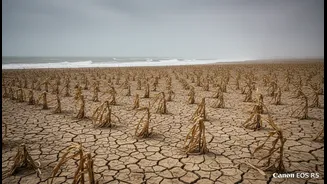
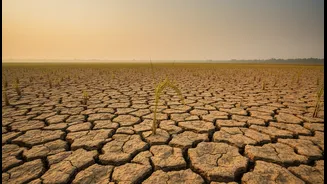
This short-term relief, however, masks a much larger and more dangerous long-term risk. The current rainfall deficit is a direct threat to Goa’s water security. With key reservoirs like Selaulim and Anjunem at critically low levels in June, the government has already spoken of having only a month's worth of drinking water supply if the rains don't pick up. This impacts not just households but also industries. The agricultural sector faces a potential catastrophe; farmers are delaying sowing, and a poor monsoon could decimate both the kharif and subsequent rabi crops by failing to recharge essential groundwater reserves. The weak rainfall is not a solution to flooding, but rather a different kind of crisis in the making.
A Volatile Climate Future
Ultimately, Goa’s experience is a textbook case of the impacts of climate change. The issue is not just less rain, but more erratic and unpredictable weather patterns. Scientific studies and recent history show a trend towards fewer rainy days but more intense, concentrated bursts of rainfall. This pattern creates a worst-of-both-worlds scenario: long dry spells that cause water scarcity and agricultural distress, punctuated by extreme downpours that the state's overburdened urban infrastructure cannot handle. The shift from viewing a weak monsoon as a pure risk to a partial utility is a dangerous coping mechanism, distracting from the urgent need to address the root causes: unsustainable development and a rapidly destabilising climate.