






A Frozen Relationship, A Thriving Grey Market
On paper, the economic relationship between the two nuclear-armed neighbours is frozen. Pakistan formally suspended trade in August 2019 after India revoked Article 370, which granted special status to Jammu and Kashmir. Tensions escalated further following
terror attacks, leading India to withdraw Pakistan's Most Favoured Nation (MFN) status and impose prohibitive tariffs. Yet, economic realities have carved out alternative pathways. For the quarter spanning July to September 2026, Pakistan's imports from India jumped to $61.74 million, a nearly 70% increase from the same period in the previous year. This highlights a significant gap between political posturing and commercial necessity.
The Dubai Detour
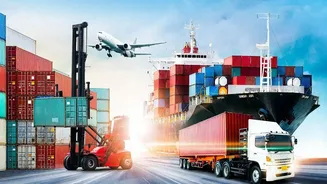
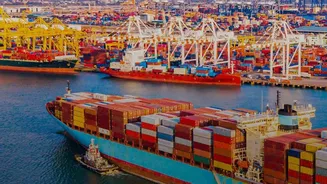
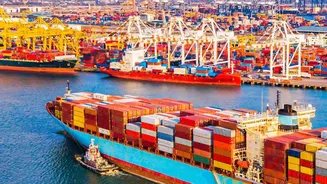
The primary mechanism for this persistent trade is the 'third-country route'. Indian exporters send their goods to neutral hubs like Dubai, Singapore, or Colombo. In these ports, third-party firms handle the consignments, often in tax-free zones. Here, the magic of paperwork happens: goods are re-labelled, and documents are modified to change the country of origin from India to the UAE, for example. These re-labelled goods are then shipped to Pakistan, legally entering the country as imports from the intermediary nation. This workaround allows Pakistani importers to access essential Indian products, albeit at a higher cost due to the extra freight, logistics, and middlemen involved.
What Is Being Imported?
The trade is not for luxury items but for essentials that fuel Pakistan's key industries. Pharmaceutical products and organic chemicals are the dominant categories, accounting for over 96% of the imports in the 2025-2026 period. Pakistan's pharmaceutical industry has historically relied on India for competitively priced and readily available raw materials, known as Active Pharmaceutical Ingredients (APIs). Despite a ban on most items, Pakistan made an exception for therapeutic goods early on, acknowledging this critical dependency. Other goods making their way through these indirect channels include plastics, rubber, coffee, tea, spices, and certain machinery components.
Economic Pressure Mounts in Pakistan
The costly nature of this indirect trade is putting significant pressure on Pakistan's economy. The Pak-India Business Council estimates that the trade suspension has resulted in losses of around $40 billion for Pakistan since 2019. Business leaders have become increasingly vocal, arguing that restoring direct trade would slash import costs for crucial sectors. The pharmaceutical industry alone could save an estimated $2 to $3 billion annually if it could source raw materials directly from India. These business communities are urging their government to separate economic policy from political disputes, pointing out that importing from a neighbour is far more efficient than sourcing from distant markets.
An Uneasy Interdependence
The flow of goods, despite the official freeze, paints a picture of undeniable economic interdependence. While India's exports find a ready, if unofficial, market, its imports from Pakistan have dwindled to virtually zero. This one-sided flow underscores Pakistan's reliance on Indian supply chains for specific, critical products. The situation leaves both governments in a delicate position. While political rhetoric remains rigid, with both sides maintaining preconditions for any formal dialogue, the quiet persistence of trade signals that economic needs often operate independently of diplomatic standoffs. The question remains whether this on-the-ground reality could eventually pave the way for a political thaw, or if the two nations will continue this unusual dance of public distance and private commerce.