

The Science of a Great Crunch
So, what exactly is “crispiness”? Scientifically, it's the result of rapid surface dehydration. When you apply high heat—be it in a kadai of hot oil or a blasting-hot oven—the moisture on the food’s surface quickly evaporates. This process, combined with
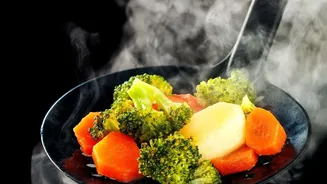
a chemical change called the Maillard reaction, creates a dry, brittle, and flavourful crust. The Maillard reaction, which kicks in at temperatures above 140°C, is the magical interaction between amino acids and sugars that gives everything from a seared steak to a potato chip its golden-brown colour and complex, savoury flavour. But this reaction can only happen in a dry environment. If there's too much water, the food will simply steam, and the surface temperature will be stuck at water's boiling point, preventing that desirable browning and crisping.
Step 1: The Dry-Off Before You Begin
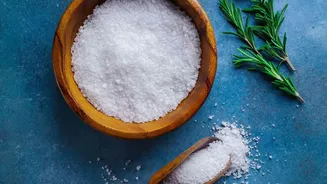
Your journey to crispiness starts long before the food hits the heat. The single most important preparation step is to get your ingredients as dry as possible. For vegetables like potatoes or bhindi, or proteins like chicken and fish, pat them down thoroughly with a paper towel. For leafy greens, a salad spinner is your best friend. Any surface moisture will immediately lower the temperature of your cooking oil or oven, creating steam and sabotaging your crust from the start. For an extra-dry surface on meats, you can salt them and let them air-dry in the fridge for a few hours. Salt not only seasons the meat but also draws out moisture. This initial dryness ensures the heat can immediately start working on creating a crust rather than just boiling off water.
Step 2: Choose Your Armour Wisely
A coating or batter serves as a protective barrier, drying out to become the crispy layer itself. But not all coatings are created equal. While regular flour (maida) works, it contains gluten, which can lead to a denser, chewier crust that softens more quickly. For a lighter, shatteringly crisp texture that lasts longer, cornstarch is a superior choice. It's almost pure starch and absorbs less oil, resulting in a lower-fat final product. Many of the best recipes for dishes like fried chicken or even crispy bhajiyas use a combination, often a 50-50 mix of flour and cornstarch, to get the best of both worlds: the structure from flour and the supreme crispness from cornstarch.
Step 3: Master the Heat
Whether you are deep-frying, air-frying, or roasting, the temperature is non-negotiable. The oil or oven must be properly hot before the food goes in. For deep-frying, the ideal temperature is generally between 175°C and 190°C. At this temperature, the moisture escaping from the food creates a vapour barrier that repels the oil, cooking the food with steam from the inside out while the exterior crisps up. If the oil is too cool, this barrier doesn't form properly, and the food absorbs oil like a sponge, turning it heavy and greasy. Similarly, when roasting, don't overcrowd the pan. Giving each piece of food enough space allows hot air to circulate and moisture to escape, effectively 'roasting' it. Overcrowding traps steam, leading to soggy, steamed vegetables instead of crispy, caramelized ones.
Step 4: The Crucial Post-Cook Cool-Down
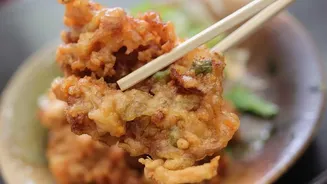
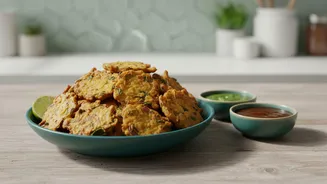
You’ve done everything right, and your pakoras are golden and beautiful. Don't ruin it in the final seconds. Never place freshly fried food on paper towels. While they absorb some surface oil, they also trap steam underneath the food, making the bottom immediately soggy. The best practice, borrowed from professional kitchens, is to place fried items on a wire rack set over a baking sheet. This allows air to circulate 360 degrees, letting excess oil drip away while allowing steam to escape from all sides. This simple technique keeps the bottom just as crispy as the top. If you’re cooking in batches, you can place the entire rack in a low oven to keep everything warm and crisp until it's time to serve.
Step 5: Serving and Storing for Crunch
Crispy food is a race against time and humidity. Once plated, serve it immediately. The moment you cover hot fried food, you trap steam, which condenses into water and ruins the crust you worked so hard to create. This is why delivery fried chicken or samosas often arrive limp and sad; their packaging trapped the steam. If you must store leftovers, let them cool completely before placing them in an airtight container. A microwave is the enemy of crispiness when reheating, as it works by agitating water molecules and creating steam. To revive that crunch, use an oven or an air fryer to heat the food, which will help drive off any moisture the crust has absorbed.