


What Is an AI-Powered Satellite?
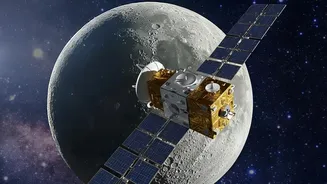
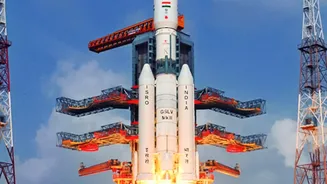
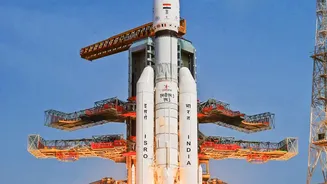
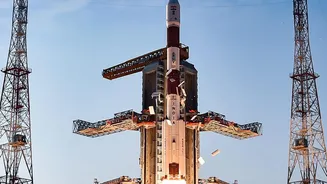
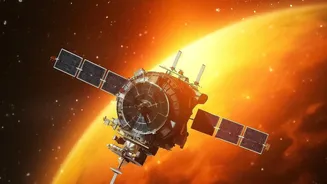
On October 1, Indian space startup TakeMe2Space is scheduled to launch MOI-1A, described as the country's first orbital computing satellite. Unlike traditional satellites that are essentially powerful cameras in the sky, an AI-powered satellite is more
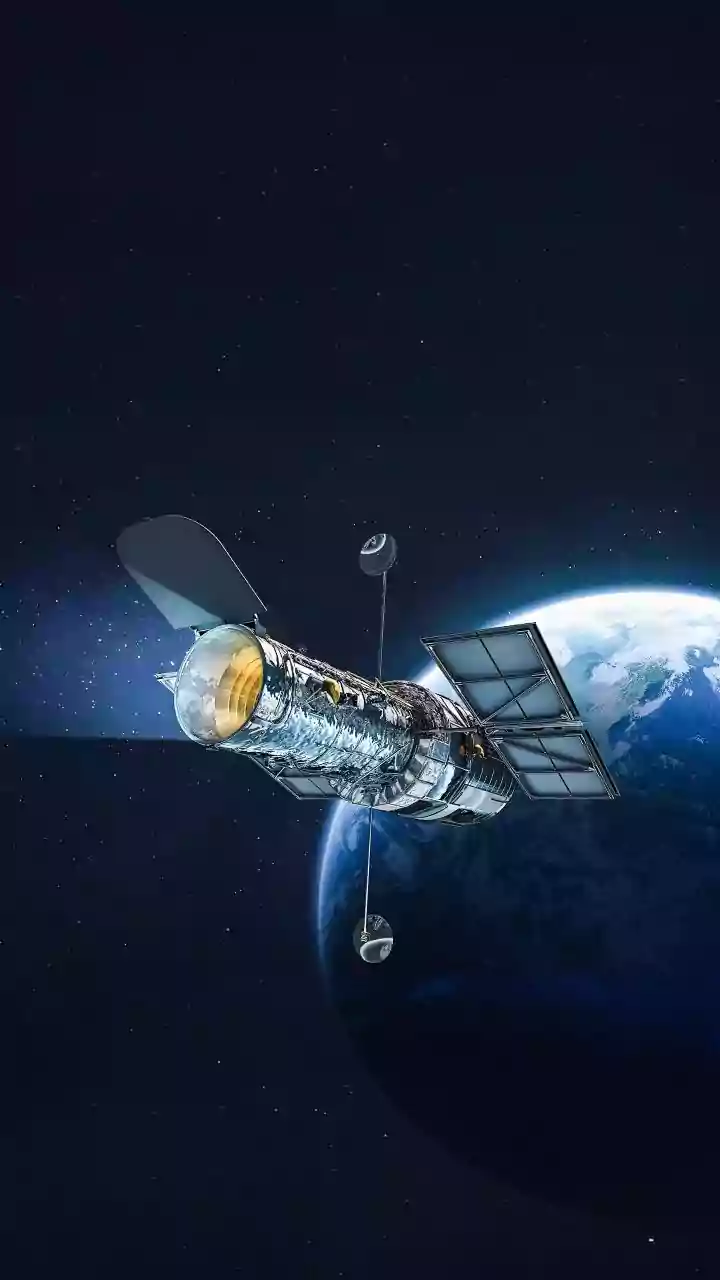
like a flying brain. For decades, the process has been the same: a satellite captures vast amounts of data—often terabytes of imagery—and beams it all down to Earth. Only then can powerful ground-based computers begin the long process of sifting through it all to find useful information. This new generation of satellites, equipped with powerful processors like the Nvidia Jetson Orin NX, changes the game completely. It allows the satellite to run artificial intelligence models directly in space, analyzing the data it collects in real-time. Instead of sending a massive, unprocessed data file, it identifies what's important and sends back only the finished analysis.
The Old Way vs. The New Way
Think of the old method as a security camera that records 24 hours of footage and sends the entire video file to you, forcing you to watch it all to see if anything happened. The new method, known as orbital or edge computing, is like a smart camera that only sends you a 10-second clip when it detects a person at your door. The difference is transformative. The traditional process creates a significant bottleneck, consuming huge amounts of limited satellite bandwidth and delaying access to critical information. A satellite might spot the beginnings of a flash flood or a forest fire but has to wait until it passes over a ground station to download the data. With on-orbit processing, the satellite can analyze the image, recognize the danger, and transmit a concise alert almost instantly. This dramatically reduces costs and the time it takes to get actionable insights from space.
Real-World Impact for India
The applications for this technology are vast and vital for India. For disaster management, it means faster warnings for cyclones, floods, and landslides, allowing authorities more time to react and save lives. In agriculture, the satellite can process multispectral imagery to assess crop health, detect pest infestations, or monitor water levels, sending targeted advice to farmers. For national security and defence, on-board AI provides a significant strategic advantage, enabling rapid surveillance of borders and maritime areas without the delay of ground-based analysis. Hyderabad-based TakeMe2Space has already signed up 23 customers for its first mission, spanning sectors from mapping and insurance to mining and supply chain management, highlighting the immediate commercial demand for this capability.
A Strategic Leap in a New Space Race
This move into orbital computing is more than just a technological upgrade; it's a strategic imperative. By processing sensitive data in orbit, India reduces its reliance on terrestrial infrastructure, which can be vulnerable to physical or cyber-attacks. It also gives the nation a competitive edge in the rapidly growing global space economy. The MOI-1A satellite is a compact, 14kg spacecraft, but it represents the first step in a larger vision shared by multiple Indian startups and even ISRO, which is exploring the feasibility of larger data centers in orbit. These future systems could offer secure data storage for banking and financial institutions, providing a backup that is literally off-planet. While challenges like radiation hardening and launch costs remain, India is positioning itself not just as a participant but as a pioneer in the era of AI-powered space infrastructure.