






Why Temperature Matters for Digestion
Both traditional medicine and modern observations suggest that food temperature plays a significant role in digestive health. Systems like Ayurveda and Traditional Chinese Medicine (TCM) are built on the concept of a 'digestive fire'—a metaphor for the metabolic
energy your body needs to break down food. According to these philosophies, consuming cold foods and drinks can dampen this fire, forcing your body to expend extra energy just to warm the food to body temperature before digestion can even begin. This extra step may slow down the entire process, potentially leading to discomfort.
The Soothing Power of Warmth
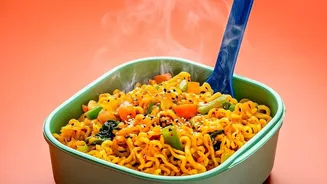
Warm, cooked foods are generally considered easier on the digestive system. The cooking process itself acts as a form of pre-digestion, breaking down tough fibres and making nutrients more accessible to your body. Warmth can also help relax the muscles of the digestive tract and increase blood flow to the stomach and intestines. This enhanced circulation supports the secretion of digestive enzymes, which are crucial for breaking down fats, proteins, and carbohydrates efficiently. Think of comforting dishes like soups, stews, and well-cooked dals; they are not only emotionally satisfying but are also physically easier for your gut to handle.
The Chilling Effect of Cold Foods
On the other hand, consuming very cold items can have a constricting effect. Icy drinks and chilled foods may cause the blood vessels in your stomach to narrow, which can reduce blood flow and slow down digestion. This can lead to food sitting in the stomach for longer, sometimes resulting in that heavy, full feeling, along with gas and bloating. This is particularly relevant for those with already sensitive systems, such as people with Irritable Bowel Syndrome (IBS), who may find that cold items trigger their symptoms. While modern research on the topic is still evolving, many people anecdotally report feeling better when they avoid ice-cold beverages, especially during meals.
Simple Temperature Swaps for a Happier Gut
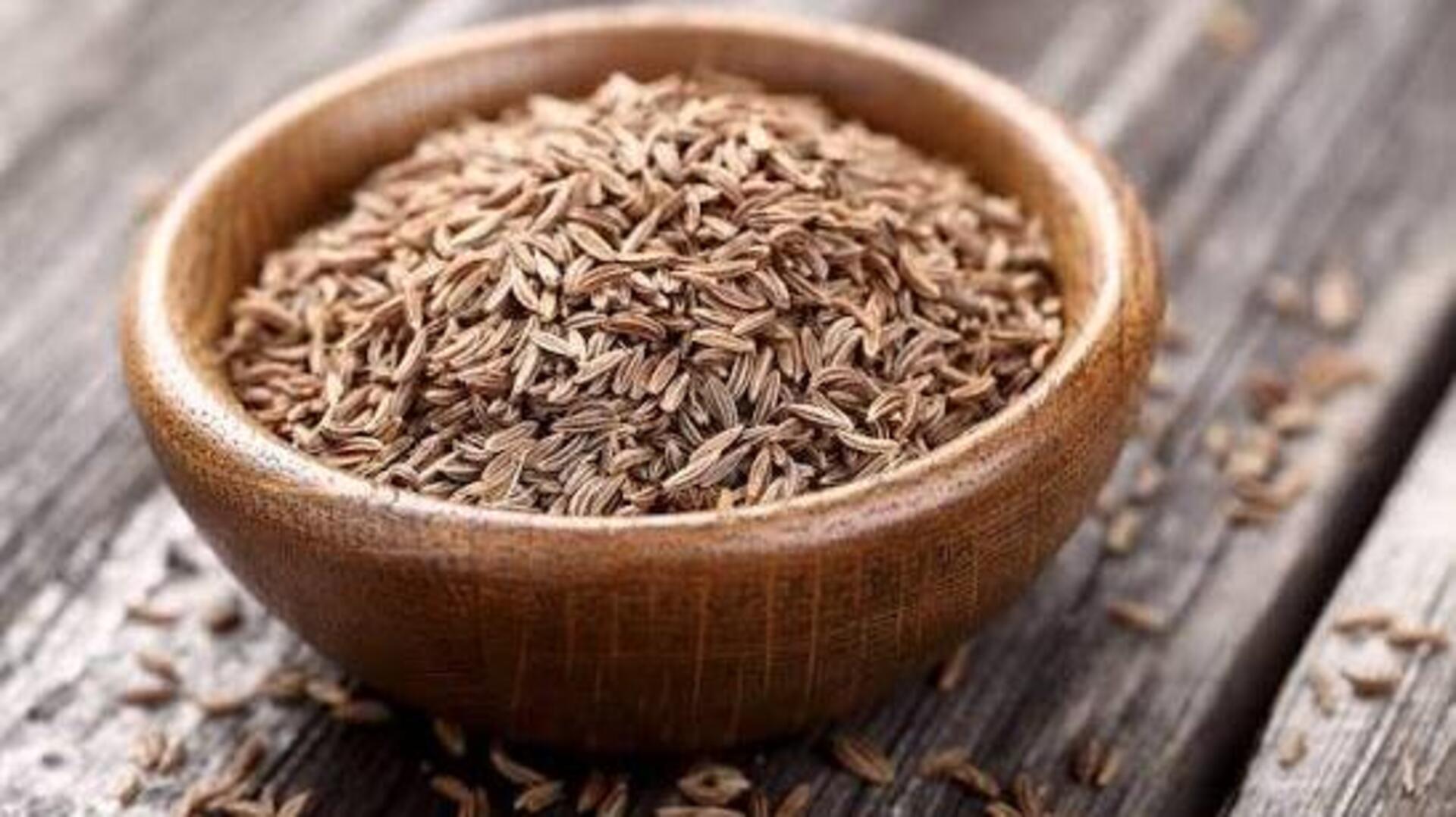
Integrating these principles into your daily routine doesn't require a complete overhaul of your diet. Small, mindful changes can make a big difference. Try opting for warm or room-temperature water instead of iced water with your meals. If you enjoy salads, consider lightly steaming your vegetables or allowing them to sit out of the fridge for a bit before eating. Instead of a cold smoothie, you could try a warm, spiced milk or a comforting bowl of soup. Even simple spices known for their warming properties in Ayurveda, such as ginger, cinnamon, and cumin, can be added to meals to support your digestive fire.
Listen to Your Body's Cues
Ultimately, the most important guide is your own body. While warm foods are beneficial for many, there's no need to completely forbid cold items, especially in hot weather when a cool cucumber feels refreshing. The goal is mindfulness, not rigidity. Pay attention to how you feel after eating foods at different temperatures. If you notice a pattern of bloating or discomfort after consuming cold meals or iced drinks, it might be a sign that your digestive system prefers a bit more warmth. Experiment with small adjustments and see what works best for you.