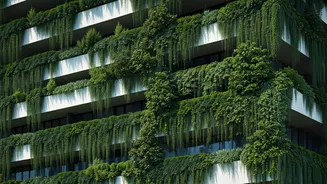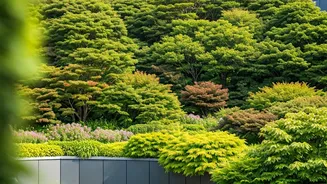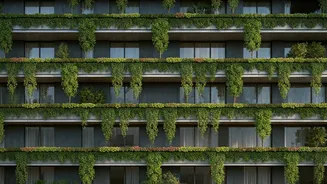








What is a Terrace Forest?
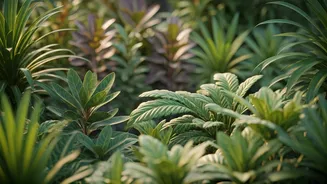
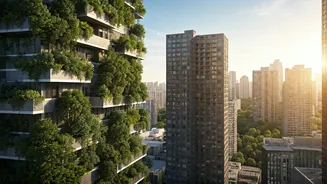
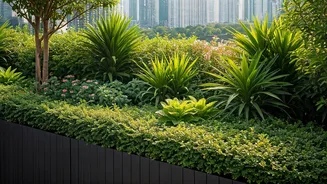
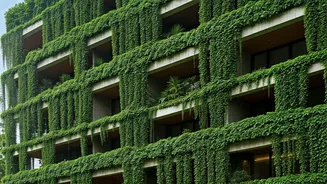
More than just a few potted plants, a terrace forest is a planned, multi-layered ecosystem designed to mimic a natural forest. [23] This approach often involves planting a dense mix of native trees, shrubs, herbs, and climbers in large containers or raised
beds. [4, 23] The idea is to create a self-sustaining system where plants support each other, creating a stable and resilient green space. [18] Some urban gardeners even adopt techniques like the Miyawaki method, which uses high-density planting of native species to accelerate forest growth, achieving in decades what might naturally take centuries. [30] The goal is to move beyond simple gardening and engineer a thriving patch of biodiversity on an otherwise unused rooftop. [18, 20]
An Antidote to Searing City Heat
One of the most significant benefits of terrace forests is their power to combat the urban heat island effect, a phenomenon that makes cities several degrees hotter than surrounding rural areas. [8] With summer temperatures in cities like Delhi and Ahmedabad regularly soaring above 45°C, this is a critical issue. [8] Greenery on rooftops provides natural shading and cools the surrounding air through evapotranspiration. [13, 14] Studies have shown that a green roof can lower surface temperatures by as much as 20°C compared to a conventional concrete roof. [14] This natural air conditioning not only makes living spaces more comfortable but also reduces the reliance on and cost of electric air conditioning by 20-30%. [8, 13]
Natural Lungs for Polluted Air
Urban green spaces act as natural filters for our increasingly polluted city air. [10] The leaves and plant surfaces in a terrace forest trap particulate matter like dust and soot, while the plants absorb gaseous pollutants such as carbon dioxide and nitrogen dioxide. [3, 10, 11] In return, they release vital oxygen, directly improving the air quality in the immediate vicinity. [9, 22] One Bengaluru-based engineer who cultivated a 600-square-foot forest on his terrace reports a local air quality improvement of 10-12%. [18, 19] By absorbing pollutants, these green spaces can help lower the incidence of respiratory and cardiovascular diseases often linked to poor air quality. [10, 11]
A Comeback for Urban Biodiversity
A thoughtfully designed terrace forest can quickly become a bustling hub for local wildlife. By choosing native flowering and fruit-bearing plants, these urban jungles provide food and shelter for birds, bees, butterflies, and other pollinators. [4, 14] For example, a 23-year-old in Delhi successfully transformed his barren terrace into a thriving ecosystem with over 500 native plants that now attracts more than 200 bird species and 25 types of butterflies. [12, 15, 16] These small, isolated habitats can act as crucial stopover points or 'ecological corridors' for wildlife moving through the fragmented urban landscape, helping to restore a piece of the natural world in the heart of the city. [14, 29]
Gardening for the Mind and Body
The benefits of a terrace forest extend deep into personal well-being. The act of gardening itself is a known therapeutic activity that reduces stress and provides gentle physical exercise. [22] Access to green spaces has been consistently linked to improved mental health. [3] Furthermore, these gardens can become a source of fresh, organic produce—from vegetables and herbs to fruits like guava and pomegranate—free from pesticides and reducing dependence on market supplies. [4, 22] This connection to nature and the food we eat offers a powerful sense of satisfaction and well-being that is often missing in urban life. [14, 22]