

Tech to the Rescue
The symphony of a pressure cooker whistle is a core memory in most Indian homes, but modern kitchens are now embracing a wider orchestra of gadgets. The air fryer, for instance, has become a star player, offering a way to create crispy snacks like tikkis
and samosas with a fraction of the oil, saving both calories and time. Electric pressure cookers and multi-cookers are also gaining immense popularity. These devices allow for 'set it and forget it' cooking of dals, curries, and biryanis, often with built-in modes that take the guesswork out of cooking times. High-speed blenders and food processors have become indispensable for quickly creating the foundational pastes—ginger-garlic, onion-tomato—that form the soul of many Indian dishes. These appliances don't replace traditional methods but rather accelerate the most labour-intensive parts, making a weekday meal far more achievable.
The Prep-Ahead Revolution
Perhaps the biggest shift is the widespread adoption of meal prepping, tailored specifically for the Indian pantry. This isn't about packing sad salads in jars; it's a strategic, time-saving approach to traditional cooking. A few hours over the weekend can set you up for a week of quick, flavourful meals. This involves batch-cooking a versatile onion-tomato 'bhuna masala' or makhani gravy, which can be frozen in portions and used as a base for dozens of different curries. Many home cooks now pre-boil lentils and legumes like chana and rajma, storing them in the fridge or freezer for instant use. Even simple steps like chopping onions, making ginger-garlic paste, and cleaning and storing coriander or curry leaves properly can slash daily cooking time significantly. This system allows for fresh meals to be assembled in minutes rather than being built from scratch every night.
Smart Sourcing and New-Age Services
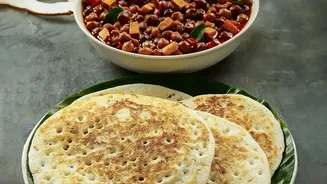
The market has responded enthusiastically to the needs of the time-crunched Indian cook. Supermarket shelves are now filled with high-quality, ready-to-use batters for idli and dosa, taking a traditionally lengthy fermentation process out of the equation. Similarly, a growing number of brands offer authentic spice blends and pre-made curry pastes that deliver complex flavours without the need to roast and grind individual spices. For those seeking even more convenience, a wave of new services has emerged. Meal kit companies deliver pre-portioned ingredients and a recipe card, eliminating the need for grocery planning. Other services connect consumers with home chefs who provide healthy, region-specific meals, offering the taste of home without the effort. There are even platforms that allow you to book a professional cook for a day to handle meal prep or cook for a house party.
A Shift in Culinary Mindset
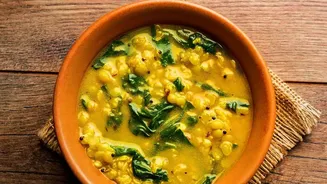
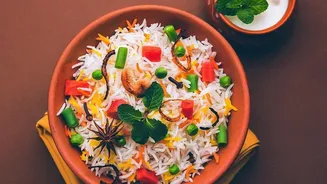
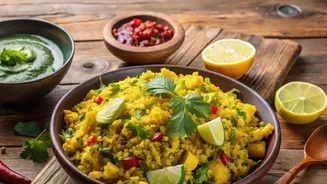
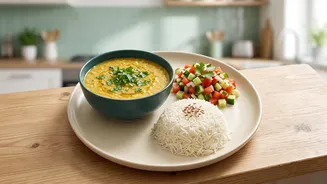
Beyond gadgets and services, there's a fundamental mindset shift at play. The pressure to produce elaborate, multi-course meals daily is giving way to a more realistic and sustainable approach to nutrition. There is a growing appreciation for the simplicity and health benefits of a basic Indian meal—think dal, rice, a simple sabzi, and a side of yoghurt. This combination is nutritionally complete, quick to prepare, and deeply comforting. One-pot meals like khichdi or pulao are being celebrated for their efficiency and wholesomeness. This evolution isn't about abandoning the rich culinary heritage of India. Instead, it’s about a smart and resourceful adaptation. It’s an acknowledgement that a home-cooked meal, no matter how simple, is a powerful act of nourishment in a busy world.