







New Horizons From Indian Airports
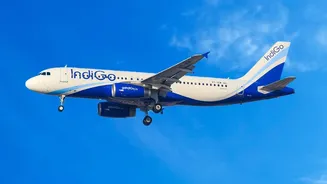
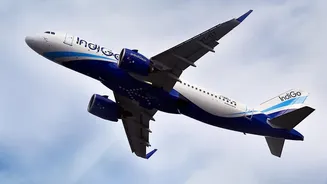
Indian aviation is rapidly expanding its international footprint. Throughout 2026, several airlines have introduced non-stop connections from major Indian hubs to destinations across the globe. IndiGo has been a significant driver of this growth, launching
services from Delhi and Mumbai to Athens, Kolkata to Shanghai, and Chennai to Réunion Island. Air India has also bolstered its network, adding a direct flight from Mumbai to Tokyo's Haneda airport and resuming key routes. Other notable additions include Swiss International Air Lines' new Bengaluru to Zurich service, further bridging India and Europe. These flights mark a significant shift, allowing travellers to bypass long layovers in the Middle East or Europe that were previously unavoidable on many routes. This expansion is not just limited to metros; cities like Indore have also gained new direct links to international hubs like Abu Dhabi. This reflects a growing demand for international travel from Tier II cities and an overall increase in outbound tourism from India.
A Note on Recent Restorations
In very recent developments, Air India announced on November 15, 2026, the restoration of non-stop services on all its flights connecting Delhi and Mumbai with New York (JFK and Newark). Due to airspace restrictions over regions in the Middle East, these flights were previously making a technical stop in Rome for refuelling, extending the journey to nearly 22 hours. With the easing of these restrictions, the flights are now truly non-stop, cutting travel time by up to five hours to approximately 17 hours. This is a significant improvement in convenience for one of the most popular and longest routes from India. While not a 'new' route launch, this restoration effectively provides a much faster and more efficient service for passengers travelling to the US East Coast.
Understanding the Fare Game
With new routes come new pricing strategies. Airlines use a system called 'dynamic pricing', where fares are adjusted in real-time based on a multitude of factors. These include demand, time until departure, competitor pricing, and even the season. For a newly launched flight, you might see attractive introductory offers designed to generate buzz and fill seats. For example, IndiGo's initial one-way fares to Athens were reported to start from around ₹20,000. However, as a flight's departure date nears and seats fill up, prices almost always climb. Airlines divide seats into different price 'buckets', and as the cheaper ones are sold, only the more expensive ones remain. This is why booking well in advance is almost always recommended.
Your Booking Checklist for Best Fares
Securing a good deal on these new flights requires a smart approach. First, be flexible with your travel dates if possible; flying mid-week is often cheaper than on weekends. Use flight comparison websites like Skyscanner or MakeMyTrip to get a broad view of prices across different airlines and dates. However, always check the airline's official website as well, as they sometimes offer exclusive deals or lower fares. Setting up price alerts is a crucial step; these tools will notify you via email when the fare for your chosen route drops. For long-haul routes, consider the value proposition beyond the base fare. Air India’s flights to New York, for instance, use different aircraft from Delhi (Airbus A350) and Mumbai (upgraded Boeing 777), offering different cabin products like Premium Economy or First Class suites, which could be worth the extra cost for a 17-hour journey.
To Book or To Wait?
The big question for any new route is when to book. While airlines often dangle low introductory fares, the operational reality of ultra-long-haul flights can be complex. IndiGo's initial European expansion, for example, saw some adjustments after launch, with services to Copenhagen suspended in early 2026 due to operating costs. This highlights that routes and frequencies can change. For inaugural flights, booking early can lock in a promotional price. However, if your travel plans are more than six months away, you might also benefit from waiting for the initial excitement to die down and for prices to stabilize. A good strategy is to start tracking prices 2-6 months before your intended travel date to understand the fare patterns before making a commitment. This gives you a balance between securing a good price and avoiding any unforeseen network changes.