




Meet Galangal, Ginger's Cooler Cousin
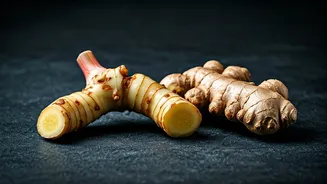
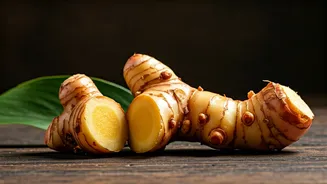
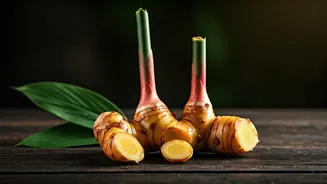
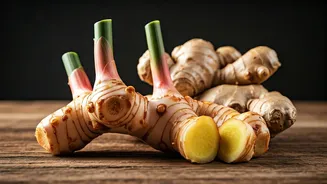
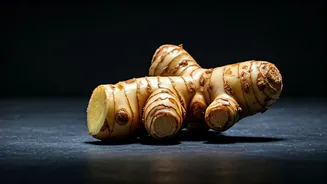
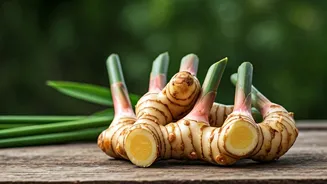
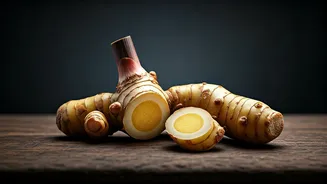
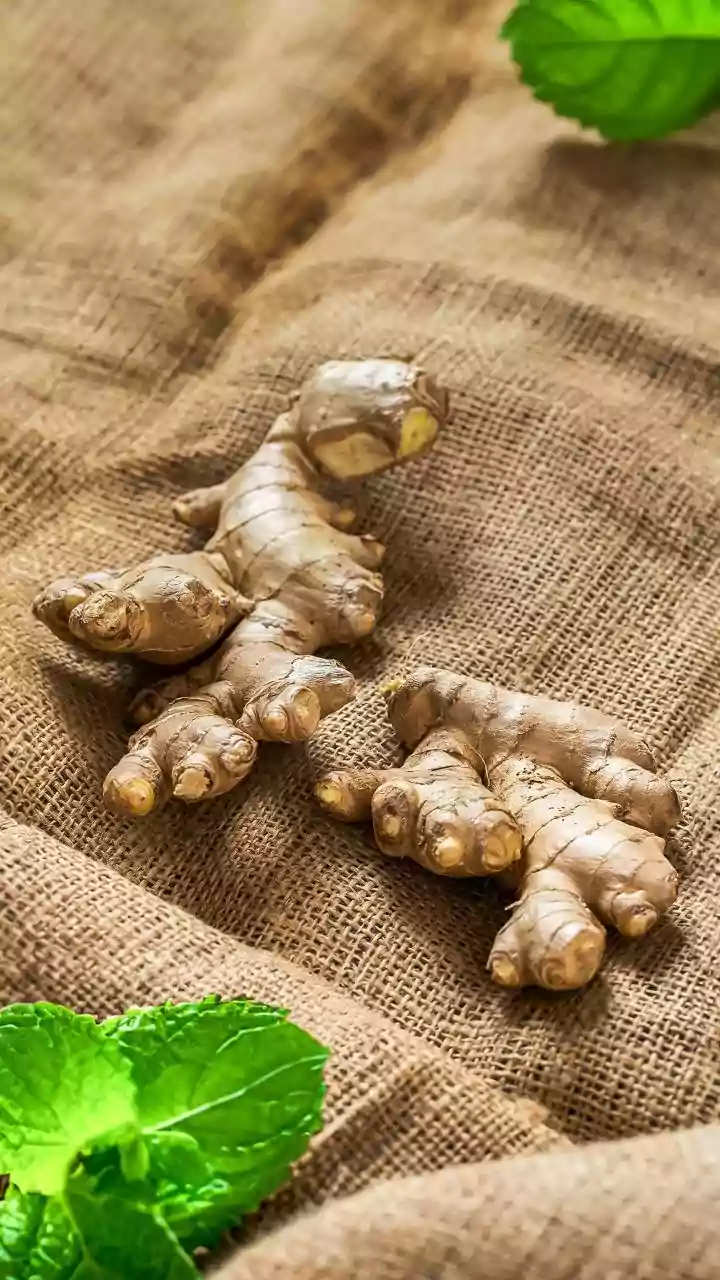
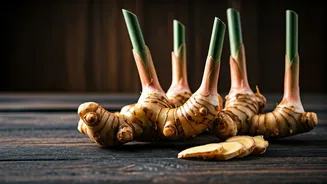
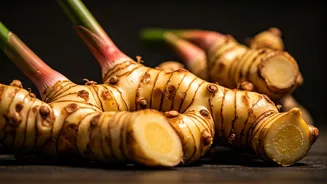
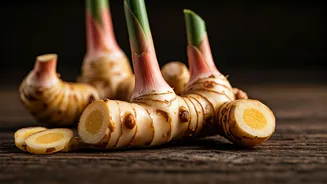
At first glance, you might mistake galangal for a piece of ginger. Both are rhizomes—a type of underground stem—from the same plant family, Zingiberaceae. However, galangal, also known as Thai or Siamese ginger, is its own unique ingredient. It typically
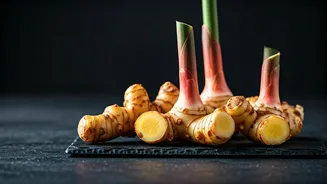
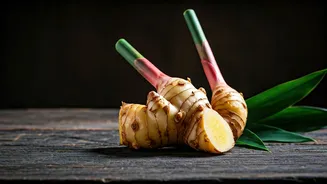
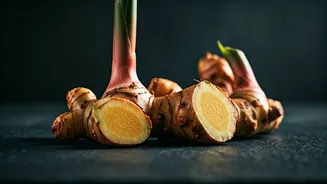
has smoother, paler skin with pinkish shoots, and its flesh is much firmer and denser than ginger's. Native to Southeast Asia, this aromatic root is a cornerstone of Thai, Indonesian, and Malaysian cuisine, prized for the complex flavour it imparts. There are a few varieties, but the most common are greater galangal and lesser galangal, which differ slightly in size and flavour intensity. While it was popular in Europe during the Middle Ages, its culinary use today is mainly concentrated in Asia, waiting to be rediscovered by home cooks everywhere.
The Taste Test: Not Just Another Ginger
The biggest mistake you can make is thinking galangal and ginger taste the same; they absolutely cannot be used interchangeably. While ginger offers a pungent, spicy heat with a hint of sweetness, galangal is far more complex. Its flavour is sharp, peppery, and distinctly citrusy, with a clean, pine-like aroma that some compare to a lush forest or even Vicks VapoRub in a pleasant, refreshing way. This unique flavour profile comes from its essential oils, which are different from those in ginger. Because its flesh is so tough and fibrous, you can't simply grate it like ginger. It needs to be thinly sliced or pounded into a paste to release its aromatic oils. Often, cooks will add slices to a broth to infuse it with flavour and then remove the pieces before serving, much like a bay leaf or cinnamon stick.
A Star in the Kitchen
If you've ever enjoyed a truly authentic Thai curry or a steaming bowl of Tom Yum soup, you've experienced the magic of galangal. It is a non-negotiable ingredient in many iconic Southeast Asian dishes, providing a bright, aromatic foundation that other flavours build upon. In Thailand, it's essential for Tom Kha Gai, a creamy chicken and coconut soup, and forms the base of countless curry pastes. In Indonesia and Malaysia, it’s a key component in rich dishes like rendang. Its clean, sharp taste cuts through rich coconut milk and balances the heat of chillies, making it a perfect partner for chicken, seafood, and vegetables. This versatility makes it an exciting addition to the kitchens of Indian households that appreciate the intricate and layered flavours of Southeast Asian food.
How to Buy, Store, and Use It
Ready to give galangal a try? You can find it fresh, frozen, dried, or powdered in most Asian markets and some larger supermarkets. When buying fresh, look for rhizomes that are firm and plump, with smooth, unblemished skin. Avoid any pieces that look shrivelled, mouldy, or soft. Fresh galangal can be stored in the refrigerator, wrapped in a paper towel inside a plastic bag, for two to three weeks. For longer storage, you can freeze it. The best way is to peel and slice it thinly, then place it in a freezer bag. You can then use the frozen slices directly in your cooking without needing to thaw them. To use it, peel the tough skin with a vegetable peeler or a sharp knife and then slice it thinly against the grain or pound it in a mortar and pestle for pastes.
More Than Just Flavour
Like its relatives ginger and turmeric, galangal has a long history of use in traditional medicine, particularly in Ayurveda and Traditional Chinese Medicine. For centuries, it has been used to aid digestion, reduce bloating, soothe nausea, and relieve respiratory conditions like coughs and colds. Modern research has begun to explore these traditional uses, identifying potent bioactive compounds like flavonoids and essential oils within the rhizome. These compounds are believed to have anti-inflammatory, antioxidant, and antimicrobial properties. While it's a delicious culinary ingredient first and foremost, these potential health benefits add another compelling reason to introduce this remarkable spice into your life.