




The Library of Heirlooms
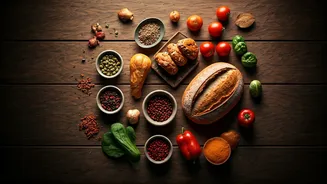
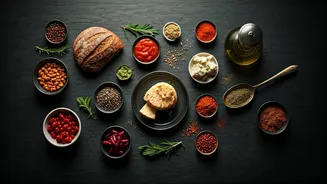
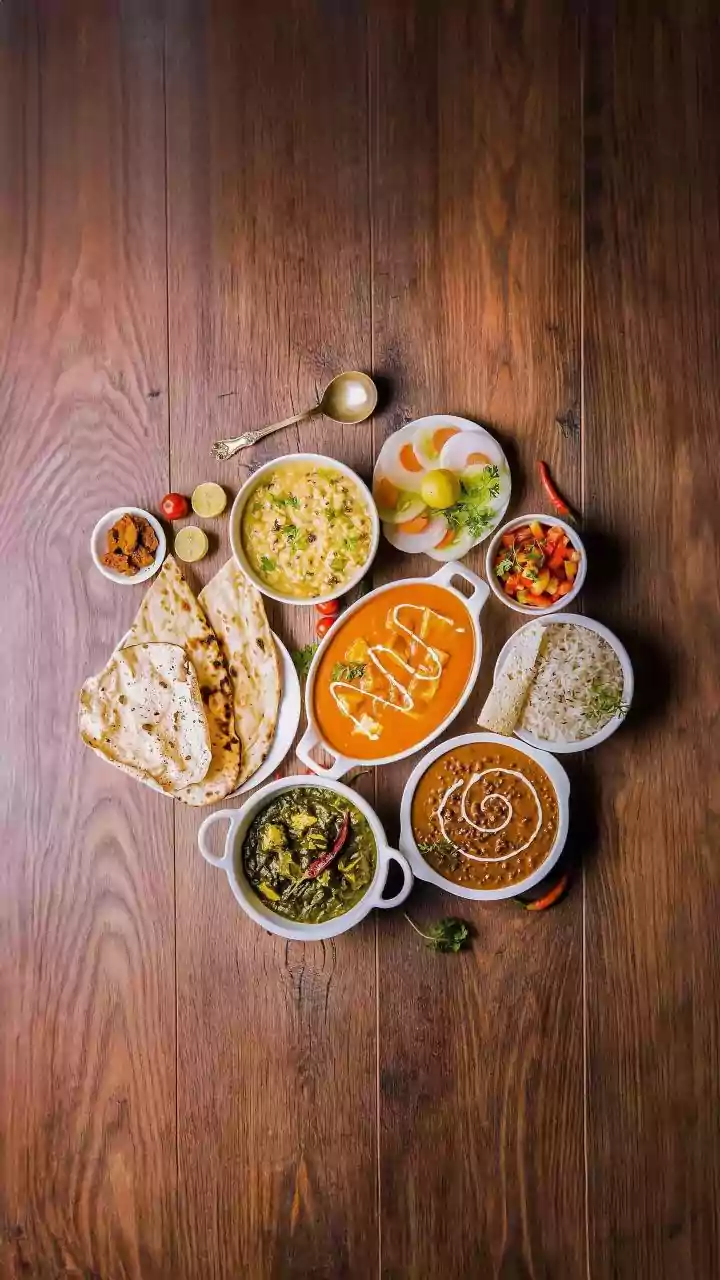
Long before we wrote stories down, we cooked them. The most powerful narratives are often not found in books, but in the worn, spice-stained pages of a family recipe journal. Your grandmother’s Rajma, with that secret ingredient she never reveals, isn’t
just a dish of kidney beans; it’s a story of her childhood in Punjab, a taste of home she carried with her. Every time she cooks it, she’s not just following steps; she's reciting a poem from memory. These recipes are heirlooms, passed down through generations. They carry the laughter of family gatherings, the quiet comfort of a sick day, and the pride of a festival well-celebrated. The slight variations—a little less chilli in your mother's version, a bit more ginger in your aunt's—are new chapters, edits made by each generation as they add their own experiences to the family saga.
A Taste of Geography and History
A single dish can be a map of an entire region's history. Consider the journey of Biryani. Its origins trace back to Persian kitchens, travelling with Mughal emperors to the Indian subcontinent. But the story didn’t end there. In Lucknow, it became a delicate, fragrant affair. In Hyderabad, it absorbed local spices to become fiery and robust. In Kolkata, it even welcomed the humble potato during a time of economic change. Each version tells a story of trade routes, conquests, cultural fusion, and local ingenuity. Similarly, the food of Kerala, rich with coconut, pepper, and seafood, tells a tale of its long coastline and its history as a vital hub on the ancient spice trade route. When we eat these foods, we are tasting history itself, a complex narrative of migration, adaptation, and identity cooked into a delicious whole.
The Language of Celebration
What is a celebration without a feast? Food is the centerpiece of our collective joy. The story of Diwali is incomplete without the glistening spread of ladoos, barfis, and chaklis, shared between neighbours as a gesture of light and sweetness. The spirit of Eid is captured in the rich, slow-cooked Haleem and the communal sharing of sweet Seviyan. Christmas brings with it the aroma of fruitcake, a story of warmth and togetherness during the winter season. These festival foods are not chosen at random. They are deeply symbolic, their ingredients and preparation methods steeped in tradition and mythology. They mark the rhythm of the year, connecting us to our faith, our community, and the cycles of nature. The act of preparing and sharing these meals becomes a ritual, reinforcing bonds and creating memories that become the stories we tell next year.
The Daily Chronicle of the Street
Stories aren’t reserved for grand feasts alone. The humble street food stall is a newsroom of its own, chronicling the daily life of a city. A plate of Pani Puri is a story of explosive, fleeting joy, a shared experience that cuts across all social divides. Mumbai’s Vada Pav tells a tale of the city’s relentless pace—a quick, affordable, and satisfying meal designed for the worker on the go. In Delhi, a winter morning’s story is told through a comforting plate of Chole Bhature. These aren't just snacks; they are social institutions. They are the backdrop for conversations between friends, the fuel for a student’s late-night study session, and the taste of a city that millions call home. Each bite is a snapshot of the urban experience—dynamic, diverse, and full of life.
The Modern Meal's New Narrative
Even our modern eating habits tell a compelling story. That perfectly arranged avocado toast on your Instagram feed? It’s a story of global trends, wellness culture, and the performance of a certain lifestyle. The 20-minute meal delivered to your doorstep via an app tells a tale of urban convenience, time scarcity, and the gig economy. The shift towards millet-based dishes or plant-based meats speaks of a growing awareness about health and sustainability. These new food stories might lack the deep-rooted history of a traditional recipe, but they are no less significant. They reflect our current priorities, anxieties, and aspirations. They are the stories of our time, being written one meal, one click, one choice at a time.