






The Siren Song of Rewards
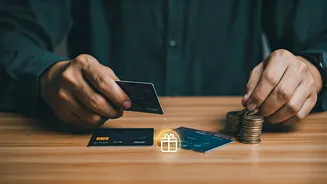
Banks are masters of psychology. They design reward programs that tap into our brain's desire for achievement, making spending feel like a game you can win. Earning points for a future vacation or getting cashback on a purchase releases a small hit of dopamine,
the brain's feel-good chemical. This makes you feel like you're getting something for free. But are you? These offers are carefully crafted to encourage more spending. The allure of a sign-up bonus might nudge you to spend more than you normally would, while multiplier points on categories like dining can influence where you eat. This system creates a disconnect between the act of buying and the pain of paying, which studies show leads people to spend significantly more than they would with cash.
The Hidden Price Tag of 'Free' Money
The real money for banks is made when discipline falters. The most dangerous feature is the 'minimum amount due'. Paying just this small fraction (usually 5% of the total) prevents a late fee, but it's a devastating financial trap. Once you carry a balance, you lose your interest-free grace period, and punishingly high interest rates—often 30% to over 45% annually in India—are applied to your remaining balance. This interest often compounds daily, meaning even a small outstanding amount can snowball into a massive debt over time. This is how people fall into a debt spiral, where most of their minimum payment goes toward servicing interest, not reducing the principal debt. Furthermore, high credit card balances increase your credit utilisation ratio, which can significantly damage your CIBIL score and hinder your ability to get loans for a car or home in the future.
What Financial Discipline Actually Looks Like
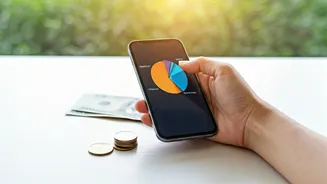
Discipline isn't about cutting up your cards; it's about using them as a tool, not a crutch. It boils down to a few core principles. First and foremost, always pay your bill in full and on time. This is the golden rule that ensures you never pay a paisa in interest. Second, treat your credit limit like a ceiling, not a target. A healthy habit is to keep your credit utilisation below 30% of your total limit to protect your CIBIL score. Third, create a budget and stick to it. Your credit card should align with your spending plan, not dictate it. Use spending alerts and review your monthly statement to track where your money is going and identify any fraudulent charges. Finally, avoid costly mistakes like withdrawing cash from an ATM using your credit card, as these transactions incur high fees and immediate interest with no grace period.
Building Habits for Lasting Control
Shifting from being driven by offers to being guided by discipline requires building new habits. Start by setting up autopay for your full statement balance to eliminate the risk of ever missing a payment. If you're struggling with overspending, try a 'digital detox'. Remove your card details from online shopping sites and food delivery apps to create friction and force you to think before you buy. It can also be helpful to identify the emotional triggers for your spending. Are you swiping your card when you're stressed, bored, or feeling social pressure? Recognizing these patterns is the first step to changing them. For large, non-essential purchases, enforce a 48-hour cooling-off period. Often, the impulse will pass, and you'll save yourself from an unnecessary expense. The goal is to make conscious choices, not reactive ones.
Making Offers Work for You, Not Against You
Once you have a strong foundation of discipline, you can turn the tables and make those tempting offers work to your advantage. The key is to choose a card that aligns with your natural spending habits, not one that encourages new ones. If you spend a lot on fuel, a fuel-specific card makes sense. If you are a frequent traveller, a card with lounge access and air miles is a smart choice. Use the card for expenses that are already in your budget—like groceries, utilities, and planned purchases. This way, the rewards you earn are a genuine bonus, not an incentive to overspend. Think of rewards as a small discount on a purchase you were going to make anyway. When your financial house is in order, a credit card becomes a powerful tool for convenience, security, and building a strong credit history, with the rewards acting as a nice, but secondary, perk.