





A Modern Twist on Tradition
Across India, a quiet revolution is happening in beverage coolers. The familiar, sweet sherbets of summers past are making way for a new kind of drink: artisanal, low in sugar, and rooted in the wisdom of Ayurveda. At the forefront of this trend are two
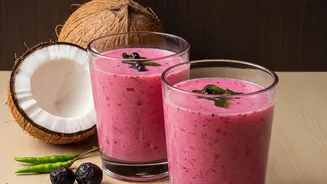
beloved summer fruits: the tangy, deep-purple kokum and the sweet-tart jamun. Beverage makers are tapping into a growing consumer demand for healthier, functional drinks that don't compromise on flavour. Instead of loading them with sugar, they are using modern techniques like cold steeping to create nuanced, refreshing beverages that celebrate the fruits' natural tastes and health benefits. This trend represents a broader shift away from artificial additives and a return to indigenous ingredients, repackaged for a new generation of health-conscious Indians.
The Cooling Power of Kokum
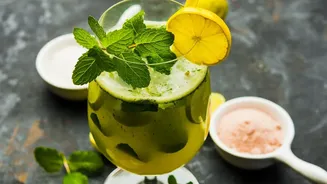
Kokum, or Garcinia indica, has long been a staple in the coastal regions of the Western Ghats, prized for its cooling properties. Traditionally used to make a refreshing solkadhi or a simple sherbet to combat the summer heat, kokum is a powerhouse of benefits. It’s known in Ayurveda to aid digestion, reduce acidity, and act as an anti-inflammatory agent. The fruit contains garcinol, a potent antioxidant that helps fight cellular damage. Furthermore, some studies suggest its active compound, hydroxycitric acid (HCA), can act as an appetite suppressant, making it a popular ingredient in wellness circles for weight management. The new wave of kokum drinks preserves these benefits in a ready-to-drink format that is both convenient and delicious.
Jamun's Juicy Revival
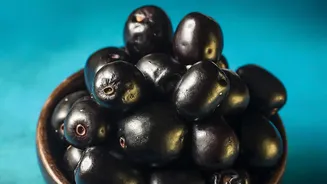
Jamun, the Indian blackberry, is another nostalgic fruit getting a modern makeover. Known for its distinctive deep-purple hue and a taste that balances sweetness with a pleasant astringency, jamun is packed with nutrients. It is a rich source of Vitamin C, iron, potassium, and antioxidants that boost immunity and support heart health. Traditionally, jamun has been valued in Ayurvedic medicine, especially for its purported ability to help regulate blood sugar levels, making it a fruit of interest for those managing diabetes. Its low glycemic index means it raises blood sugar more slowly than many other fruits. As a beverage, its vibrant colour and complex flavour make it a sophisticated alternative to mainstream fruit juices.
Why Cold Steeping Matters
The secret to these new-age drinks lies in the method. Unlike traditional iced tea, which is brewed hot and then cooled, cold steeping involves infusing the fruits in cold water for several hours. This gentle, slow extraction process pulls out the delicate flavours and colours of the kokum and jamun while leaving behind many of the bitter tannins. The result is a smoother, naturally sweeter, and less acidic beverage that requires little to no added sugar. This technique not only enhances the flavour profile but also helps preserve the heat-sensitive vitamins and antioxidants present in the fruits, delivering a healthier final product.
Riding the Wellness Wave
The rise of kokum and jamun beverages isn't happening in a vacuum. It's part of a larger global movement towards functional foods and drinks that offer benefits beyond basic nutrition. Indian consumers are increasingly scrutinizing labels, turning away from high-sugar sodas and juices filled with artificial ingredients. This has created a booming market for beverages that are perceived as natural, clean, and beneficial. Brands are responding by launching products fortified with vitamins, probiotics, and traditional herbal ingredients. The appeal of kokum and jamun lies in their authenticity; they are familiar flavours from our childhoods, now presented in a format that aligns perfectly with modern wellness goals.