





The Unseen Contaminant in Our Kitchens
A recent study by the New Delhi-based environmental organisation Toxics Link has sent ripples of concern through the country. After testing ten popular salt brands and five sugar brands available in the Indian market, researchers found microplastics in every
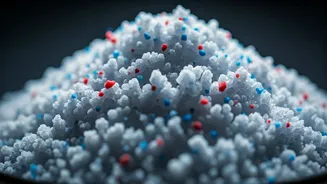
single sample. This was true for all types, whether it was big brands or local sellers, packaged or sold loose. The study identified various forms of plastic, including fibres, films, and fragments. The concentration in salt ranged from about 7 to 89 pieces per kilogram, with iodised table salt showing the highest amounts. In sugar, the concentration was between approximately 12 and 68 pieces per kilogram. These findings confirm that the problem of plastic pollution has moved beyond our oceans and landfills and found its way onto our dinner plates.
What Exactly Are Microplastics?
Microplastics are tiny plastic fragments less than 5 millimetres in size, often invisible to the naked eye. They come from two main sources. Primary microplastics are manufactured at a small size for use in products like cosmetics. Secondary microplastics, which are more common, are formed when larger plastic items—like bags, bottles, and packaging—break down over time due to sun, wind, and water. Because of their minuscule size, they easily contaminate soil, water, and air. From there, they enter the food chain, getting absorbed by plants from the soil or consumed by fish in the sea, eventually reaching our food.
A Question of Health
The discovery of microplastics in our food is concerning, but what does it mean for our health? The scientific community is actively researching the long-term effects, and while there are many unanswered questions, early findings suggest potential risks. When ingested, these particles can cause physical irritation and inflammation in the digestive system. A greater concern is that plastics often contain chemical additives like BPA and phthalates, or they can absorb toxins like pesticides and heavy metals from the environment. These harmful chemicals can leach into the body, potentially disrupting hormones, and have been linked to a range of health issues. Particles have been found in multiple human organs, blood, and even breast milk, though direct evidence linking specific diseases to microplastic ingestion in humans is still developing.
How to Reduce Your Exposure
While it's nearly impossible to completely avoid microplastics, you can take steps to reduce your family's exposure. Since much of the contamination comes from plastic packaging and containers breaking down, simple changes in the kitchen can help. Opt for storing food in glass, stainless steel, or ceramic containers instead of plastic ones. Never microwave food in plastic, as heat accelerates the release of particles. Using wooden or bamboo cutting boards is preferable to plastic ones, which can shed fragments into your food. Choosing fresh, unpackaged foods over heavily processed and plastic-wrapped items can also make a difference. Furthermore, consider switching from bottled water to filtered tap water to lower your intake, as studies have shown high levels of microplastics in bottled beverages.