

The Science of a Soggy Pot
The biggest danger to most houseplants isn't thirst—it's drowning. When soil is constantly saturated, the air pockets that roots need for oxygen disappear. Without oxygen, root cells begin to die, losing their ability to absorb the very water that surrounds
them. This creates the perfect breeding ground for fungal pathogens that cause root rot. Once root rot sets in, roots turn from firm and white to brown, mushy, and smelly. This damage prevents the plant from taking up essential nutrients and water, eventually leading to its demise. Ironically, a plant dying from overwatering often looks like it's thirsty, with wilting, yellowing leaves.
Overwatered vs. Thirsty: How to Tell
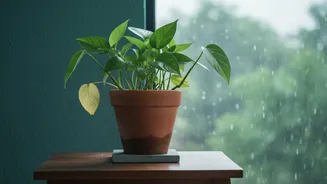
Since both overwatered and underwatered plants can wilt, how do you know the difference? The soil is your best guide. Stick your finger about two inches into the pot. If the soil is wet and the plant is wilting, it’s a clear sign of overwatering. Other signs of too much water include yellowing leaves that feel soft or limp, a mushy stem base, and even mold growing on the soil's surface. In contrast, an underwatered plant will have soil that feels bone-dry. Its leaves might be crispy, brown at the edges, and the entire soil mass might pull away from the sides of the pot.
The Golden Rule: Water When Needed
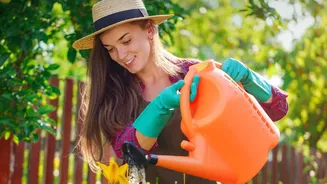
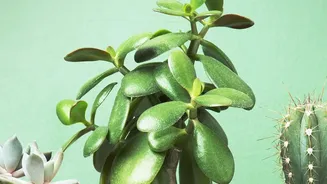
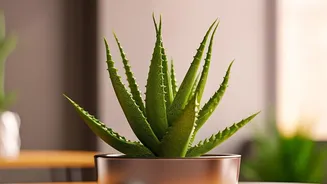
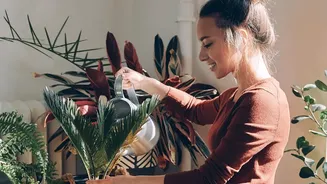
Ditch the rigid weekly watering schedule. The best way to care for your plants is to check them individually and water only when they need it. How often that is depends on the plant type, pot size, light exposure, and humidity in your home. Succulents and cacti, for example, prefer their soil to dry out completely between waterings, while many tropical plants like the top inch or two of soil to be dry before their next drink. When you do water, do it thoroughly. Pour water evenly over the soil until it runs out of the drainage holes at the bottom. This encourages deep, strong root growth. Then, make sure to empty any excess water from the saucer so the plant isn't left sitting in a puddle.
Why Letting Soil Dry Is a Good Thing
Allowing the soil to dry out between waterings does more than just prevent root rot; it actively benefits the plant. As water evaporates from the soil, it creates air pockets, which allows oxygen to reach the roots—a critical component for healthy root function. This cycle of wet and dry encourages the root system to grow stronger and search deeper for moisture. For some plant species, a period of dryness is a natural trigger that can even encourage them to produce flowers. Choosing plants that are naturally more drought-tolerant, like Snake Plants, ZZ Plants, or Hoyas, can also make your life easier, as they are much more forgiving of infrequent watering.