




Prioritise Safety in the Rain-Soaked Hills
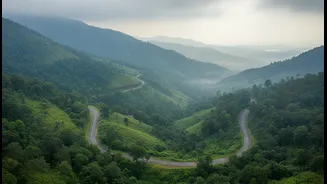
The magic of the monsoon in the Western Ghats comes with inherent risks. The same rains that create breathtaking waterfalls can make roads treacherous and trekking trails slippery. Prioritising safety is non-negotiable. When driving, exercise extreme
caution. Ghat roads can be slick, and heavy downpours can reduce visibility to almost zero. It’s wise to drive slowly, use headlights, and avoid waterlogged patches that might hide potholes. Before you even start your engine, ensure your vehicle is serviced, with special attention to tyres, brakes, and wipers. For trekking, never go alone. Always hire a local guide who understands the monsoon terrain and stick to marked paths. A gentle stream can swell into a dangerous torrent in minutes, so be wary when crossing water bodies. Also, be mindful of local advisories, as authorities may restrict access to areas prone to landslides or flash floods, particularly in regions like Maval, Mulshi, and Lonavala.
Packing for Comfort and Unpredictability
Comfort in the Ghats during monsoon is about staying warm, dry, and healthy. Your packing list should be strategic. Opt for lightweight, synthetic clothes that dry quickly, as cotton and denim will stay damp and heavy. A reliable waterproof jacket and sturdy trekking shoes with excellent grip are essential to navigate muddy and rocky surfaces. It’s also smart to carry waterproof bags or liners to protect your electronics, documents, and spare clothing from the pervasive dampness. Beyond clothing, think about health. Leeches are common, so leech socks or tucking trousers into your socks can offer protection. Carry a basic first-aid kit with antiseptic, bandages, and any personal medications, as well as a strong insect repellent to guard against mosquito-borne illnesses. It's also best to drink only bottled or purified water and be cautious with street food to avoid waterborne diseases.
Embrace the Freedom of a Flexible Itinerary
A rigid, minute-by-minute itinerary is the enemy of a good monsoon trip. The weather is unpredictable, and road conditions can change suddenly. The best approach is to embrace flexibility. Instead of trying to cram too many destinations into one trip, choose a base and explore the surrounding area at a relaxed pace. This allows you to adapt if a planned route becomes unsafe or if you discover a hidden gem you want to linger at. Consider booking accommodations like homestays or resorts that offer flexible cancellation policies. Many properties, from eco-friendly retreats to boutique spice garden resorts, cater to travellers seeking a slower pace. Building buffer days into your schedule can transform a potential travel disruption into a welcome chance to relax with a book and a hot cup of tea, watching the rain from a cosy verandah. This mindset shift, from a checklist of sights to an immersive experience, is what makes a Western Ghats getaway truly special.
Choose Your Base Wisely
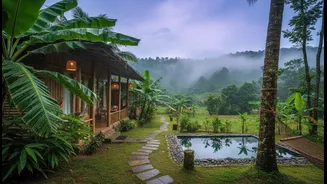
Where you stay can define your entire trip. The Western Ghats offer a vast range of options, from the coffee plantations of Coorg and Chikmagalur in Karnataka to the tea estates of Munnar and Wayanad in Kerala. For those seeking tranquility, inland Goa offers a different experience, away from the crowded beaches, with resorts nestled in forested valleys. Homestays and farmstays provide an authentic connection to the local culture and landscape, often serving regional cuisine and offering activities like plantation walks or birdwatching. Eco-resorts are another excellent choice, designed to minimise environmental impact while maximising your connection with nature. By choosing a place that aligns with your travel style—be it an adventurous base for trekking or a serene retreat for relaxation—you set the stage for a comfortable and fulfilling journey. A good base makes it easier to be flexible, as you can enjoy the property itself on days when the weather makes extensive travel difficult.