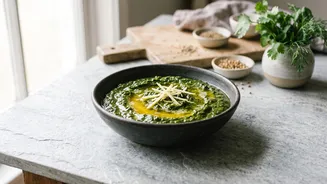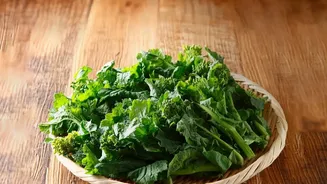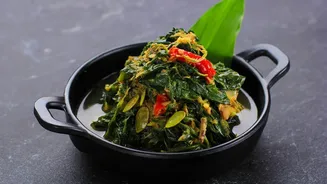






As winter approaches, kitchens across India embrace the warmth and comfort of saag. But beyond its delicious taste, this leafy green dish is a nutritional powerhouse. Let's delve into the specific mineral benefits hiding in your favourite saag varieties.
More Than Just Green Comfort Food
Saag is a broad term for leafy green preparations, and it's a cornerstone of Indian cuisine, especially during the winter months. While we love it for its earthy flavour, it's also a fantastic source of essential minerals that our bodies need to function correctly. These greens are packed with micronutrients like iron, essential for carrying oxygen in our blood; calcium, crucial for strong bones and teeth; potassium, which helps regulate blood pressure; and magnesium, involved in hundreds of bodily functions. Incorporating a variety of saag into your diet is an easy and delicious way to boost your intake of these vital minerals, supporting everything from your immune system to your energy levels.
Palak: The Everyday Iron And Folate Star
Spinach, or palak, is perhaps the most well-known saag and is often celebrated for its iron content. With approximately 2.7 to 2.95 mg of iron per 100g, it's a valuable plant-based source for helping prevent iron-deficiency anaemia. Beyond iron, palak is a champion of folate, a B-vitamin crucial for cell growth and particularly important during pregnancy. It also provides a good amount of calcium (around 82-99 mg per 100g) and magnesium, which contribute to bone health. While its iron and calcium aren't as easily absorbed as those from some other sources due to compounds called oxalates, cooking palak can improve their availability.
Sarson: A Winter Bone-Health Warrior
Sarson ka saag, made from mustard greens, is a winter delicacy for a reason. These pungent leaves are an excellent source of minerals that are especially beneficial during the colder months. Sarson is particularly rich in calcium, an essential mineral for maintaining bone density and strength. It's also packed with Vitamin K, which works alongside calcium to support bone health and is vital for blood clotting. Furthermore, mustard greens provide a healthy dose of potassium, which helps counterbalance sodium in our diet and supports healthy blood pressure. Their high antioxidant content also helps bolster the immune system against seasonal illnesses.
Methi: The Underestimated Mineral Powerhouse
Fenugreek leaves, or methi, often get overlooked but are a true nutritional heavyweight. When it comes to minerals, methi leaves are particularly impressive. They contain significantly more iron than spinach, with some sources noting around 5.69 to 6.9 mg per 100g. Methi is also a standout source of calcium, boasting amounts as high as 274 to 395 mg per 100g, making it a fantastic dairy-free option for bone health. Alongside these, methi provides a good amount of potassium and magnesium. Its unique combination of fibre and other compounds also gives it a reputation for aiding in digestion and helping to regulate blood sugar levels.
Bathua: The Unsung Nutritional Star
Bathua, also known as Chenopodium album or lamb's quarters, is a lesser known winter green that packs a serious nutritional punch. This saag is exceptionally rich in a range of minerals. According to the Indian Food Composition Tables (IFCT) 2017, bathua contains an impressive 211 mg of calcium per 100g. It's also a great source of iron, potassium, and phosphorus. Traditionally considered a blood purifier in Ayurveda, its rich mineral and amino acid profile also aids in digestion. If you can find this wild green at your local market, it's a fantastic and nutrient dense addition to your winter meals.