





Beyond Washed-Out Roads
The most apparent reason for closing national parks during the monsoon is safety. Heavy rains make the unpaved dirt tracks inside the core forest areas treacherous, leading to slushy, impassable conditions and the risk of landslides. For the safety of both
tourists and forest department staff, vehicle movement becomes impractical and dangerous. However, this is only part of the story. The annual closure, mandated by the National Tiger Conservation Authority (NTCA), is a deliberate and crucial conservation measure that goes much deeper than just logistical challenges. It’s a time for the forest to heal and for its inhabitants to thrive without human interference.
A Sanctuary for New Life
The monsoon is the primary breeding season for a vast array of wildlife, including the tigers themselves. While tigers can mate year-round, activity often peaks during the cooler, wetter months. This is a vulnerable period when animals require privacy and a stress-free environment to court, mate, and raise their young. The presence of safari jeeps, with their noise and flashing cameras, can cause significant disturbance. A stressed tigress might abandon her cubs, leaving them vulnerable. By closing the parks, authorities ensure that these majestic animals, along with leopards, elephants, and various bird species, can engage in their natural reproductive cycles undisturbed, securing the next generation.
Letting the Forest Breathe
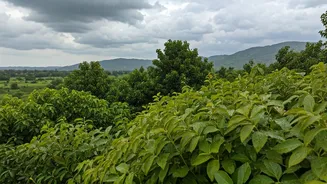
Months of relentless tourist activity take a toll on the delicate forest ecosystem. The monsoon provides a much-needed respite, allowing the jungle to undergo a period of natural rejuvenation. The constant rain replenishes water sources, from the smallest streams to large lakes, which are critical for the entire ecosystem. The forest floor, compacted by safari vehicles, gets a chance to recover. Lush new vegetation springs forth, from grasses and ferns to wildflowers, thickening the undergrowth and providing essential food and cover for herbivores. This botanical rebirth is the foundation of the forest's food web, ensuring a healthy prey base for predators like the tiger. It’s a complete ecological reset button pressed once a year.
Core vs. Buffer: Not All Gates Are Shut
It's important to understand the structure of a tiger reserve, which is typically divided into a core area and a buffer zone. The core is the critical, strictly protected habitat where animal density is highest. These are the areas that are closed to all tourism from roughly July 1 to September 30. The buffer zone, an area surrounding the core, has less stringent rules and is where local communities and wildlife often coexist. In many popular reserves like Ranthambore, Tadoba, and Corbett, safaris continue in these designated buffer zones throughout the monsoon. While tiger sightings might be less frequent due to the dense foliage, these monsoon safaris offer a unique experience of a lush, vibrant, and crowd-free forest.
A Strategy for Protection
The monsoon doesn't just present challenges for tourism; it also increases the risk of poaching. The thick vegetation and difficult terrain that deter tourists can provide cover for illegal activities. Forest guards face a tougher challenge patrolling the vast, inaccessible areas during this time. By halting tourism, the forest department can redirect its entire focus and manpower towards anti-poaching operations and enhanced surveillance, ensuring the park is secure during its most vulnerable period. This focused protection is a critical component of India's successful Project Tiger, helping to safeguard the country's precious wild tiger population.