






The Golden Rule: How Much Sun Is Enough?
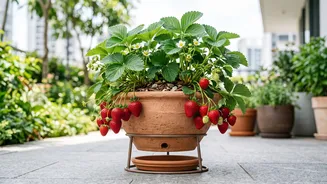
Strawberries are sun-loving plants that convert light into the sugars that make the fruit sweet. For a productive harvest, your pots must receive a minimum of six to eight hours of direct sunlight each day. Plants that get eight or more hours of sun will
generally produce larger, more flavourful berries. If your balcony is on the shadier side, you may still get some fruit, but the yield will likely be smaller and less sweet.
Location, Location: Which Way Does Your Balcony Face?
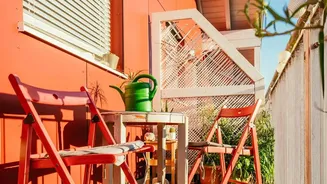
The direction your balcony faces determines the type and duration of sunlight it receives. A south-facing balcony is often ideal in India, especially during the winter growing season, as it gets strong, consistent light for most of the day. East-facing balconies get gentle morning sun, which is great for preventing leaf scorch, while west-facing balconies receive intense afternoon sun that can stress plants in hot weather. North-facing balconies receive the least direct light and are the most challenging for sun-hungry plants like strawberries. To figure out your situation, spend a day observing how sunlight moves across your space.
Morning Sun vs. Afternoon Heat
Not all sunlight is created equal. Morning sun is generally preferred for many plants, including strawberries. It's less intense than the harsh afternoon sun, allowing the plants to photosynthesise without the stress of excessive heat. Watering in the morning is also beneficial, as it allows the foliage to dry before evening, reducing the risk of fungal diseases. In very hot climates or on balconies that get blasted by afternoon sun, providing some form of light shade during the hottest part of the day can prevent the leaves from scorching and the fruit from getting damaged.
Signs Your Strawberries Are Starved for Light
Your plants will give you clear signals if they aren't getting enough sunlight. The most common sign is a lack of fruit or flowers, even if the plant looks leafy. Other indicators include pale green or yellowing leaves, a sign that the plant can't produce enough chlorophyll. The plant might also look 'leggy' or stunted, with long, weak stems as it stretches in search of more light. If you see these symptoms, it's a clear cue to move your pot to a sunnier spot.
Smart Solutions for Light-Challenged Balconies
If you don't have a perfectly sunny spot, don't despair. You can use a few tricks to maximize the light you have. Painting adjacent walls white or using reflective surfaces like mirrors can help bounce more light onto your plants. Regularly rotating your pots ensures all sides of the plant get some sun exposure. Using hanging baskets or vertical planters can also help you take advantage of the sunniest spots on your balcony, lifting plants above railings that might cast shadows. For truly dark, north-facing balconies, supplemental LED grow lights can make growing strawberries possible where it otherwise wouldn't be.
Choosing the Right Plants for Success
For container gardening, 'everbearing' or 'day-neutral' strawberry varieties are highly recommended. Unlike 'June-bearing' types that produce one large crop, these varieties produce fruit throughout the season, which is perfect for a small balcony setup. In India, varieties like Camarosa, Sweet Charlie, and Winter Dawn have shown good performance in various conditions. When you buy your plants, choose ones from a reliable nursery with healthy green leaves and firm crowns, which is the part where the leaves emerge from the roots.