





The Science of Stress
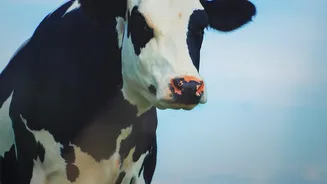
Cattle, especially high-yielding crossbred varieties, are sensitive to their environment. When high temperatures combine with high humidity, animals experience 'heat stress'. This occurs when a cow's body cannot dissipate heat effectively, leading to a cascade
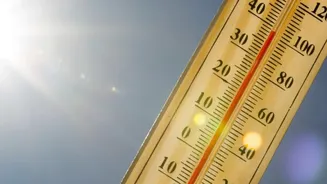
of physiological problems. Studies show that when the Temperature-Humidity Index (THI) crosses a threshold of 72, dairy animals begin to suffer. Their natural response is to eat less to reduce metabolic heat, drink more water, and pant. This state of stress is becoming more frequent and prolonged as summers lengthen and intensify across major milk-producing states like Uttar Pradesh, Rajasthan, and Gujarat.
From Pail to Pocketbook
The consequences of heat stress are felt directly in the milk pail and the farmer's pocket. The most immediate impact is a drop in milk production, which can fall by 10-30% during periods of extreme heat. This isn't just about quantity; the quality of milk also suffers, with lower fat and protein content affecting the price farmers receive. Beyond milk, heat stress wreaks havoc on reproduction, leading to lower conception rates and disrupted cycles. This extends the time between calves, further reducing a herd’s overall productivity. For India's smallholder farmers, who own just a few animals each, these losses are devastating, amplified by increased veterinary costs and the need to spend more on cooling and animal care.
A Search for Resilience
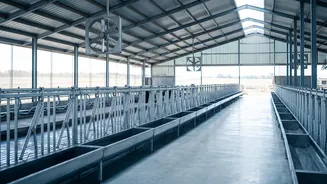
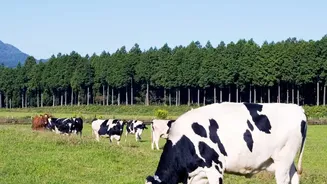
The challenge has sparked a search for solutions at every level. Farmers are adopting practical, low-cost measures like ensuring access to shade and cool water, and installing fans or sprinkler systems in sheds. Some are adjusting feeding schedules to cooler parts of the day and using more digestible, nutrient-dense feeds to compensate for reduced appetites. There is also a growing conversation around genetics. While high-yielding crossbred cows are more susceptible to heat, indigenous Indian breeds like the Gir and Sahiwal are naturally more thermo-tolerant. This has led to increased interest in breeding programs that prioritize climate resilience alongside productivity, creating a hardier, more sustainable herd for the future.
A National Imperative
The issue extends far beyond individual farms. India is the world's largest milk producer, with the dairy sector contributing significantly to the national GDP and acting as a vital source of nutrition and employment. Projections suggest that without significant adaptation, climate change could reduce the nation's milk output by as much as 25% by 2085. Recognizing this threat, government and industry bodies are beginning to act. Initiatives like the National Innovation for Climate Resilient Agriculture (NICRA) and the Resilient Dairy Alliance aim to equip farmers with the knowledge and tools they need. These programs focus on everything from better risk mitigation and financial access to scaling up climate-smart practices across the entire value chain.