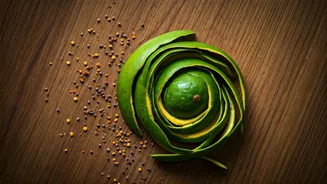






Why You Shouldn't Waste the Peel
In the spirit of sustainable, zero-waste kitchens, using every part of a fruit is becoming more than just a trend—it's a return to traditional wisdom. For generations, Indian households have found ingenious ways to use scraps, and the mango peel is no
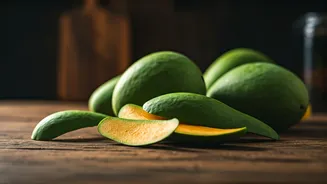
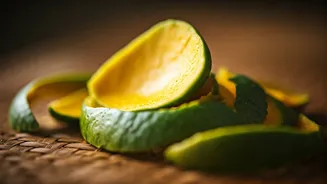
exception. It's not just about reducing waste; the skin of the mango is surprisingly nutritious. Research shows that mango peels are loaded with beneficial compounds like polyphenols, carotenoids, fibre, and vitamins C and E. In fact, one study found that mango skin extract had stronger antioxidant properties than the fruit's flesh itself. While Langra mangoes are prized for their sweet and tangy flesh, their relatively thin skins make them an excellent candidate for culinary experiments, as they are less tough and bitter than other varieties.
The Perfect Monsoon Snack: Crispy Mango Peel Chips
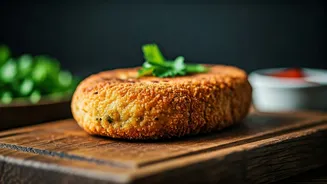
When the skies turn grey and the rain begins to fall, the craving for something hot, crispy, and savoury is universal. While pakodas and samosas are classics, crispy mango peel chips offer a unique and delightful alternative. This snack transforms the usually discarded peels into a crunchy treat with a complex flavour profile—slightly tangy, a little sweet, and perfectly spicy. It’s an addictive snack that pairs wonderfully with a hot cup of chai and the sound of falling rain. The best part is that you are creating a delicious dish from something that would have otherwise ended up in the bin.
A Simple Recipe for Crispy Chips
Making this snack is surprisingly simple. The key is to start with clean, preferably organic, mangoes to minimize pesticide residue. First, wash the mangoes thoroughly under running water, using a vegetable brush if needed. After you’ve enjoyed the pulp, take the peels and slice them into thin, uniform strips. In a bowl, prepare a light batter using gram flour (besan), a spoonful of rice flour for extra crispiness, salt, turmeric, red chilli powder, and a pinch of chaat masala for that tangy kick. Add water gradually to form a thin coating consistency, not a thick paste. Toss the mango peel strips in the batter, ensuring they are lightly coated. Heat oil in a pan for deep frying. Once the oil is hot, drop the battered peels in, one by one, and fry until they are golden brown and crisp. Remove them with a slotted spoon and drain on absorbent paper.
Serving and Flavour Variations
Serve your crispy mango peel chips hot, sprinkled with a little extra chaat masala or black salt. They are a fantastic standalone snack but also pair beautifully with mint-coriander chutney for dipping. For a different flavour profile, you can adjust the spices in the batter. Add a pinch of ajwain (carom seeds) for a digestive and aromatic touch, or some amchur (dry mango powder) to amplify the tartness. If you prefer to avoid deep frying, you can try making them in an air fryer. Simply toss the seasoned peels with a light coating of oil and air fry until crisp, shaking the basket occasionally.
Other Creative Uses for Mango Peels
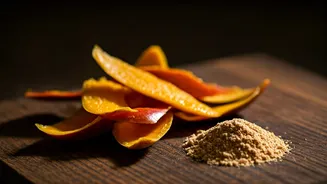
The culinary journey of the mango peel doesn't have to end with chips. There are many other traditional and modern ways to incorporate them into your cooking. In many parts of India, peels from raw or ripe mangoes are used to make tangy chutneys and pickles. You can make a sweet and spicy chutney by boiling the peels to soften them and then cooking them down with jaggery, chilli, and spices. Another popular method is to sun-dry the peels until they are completely brittle and then grind them into a powder. This homemade powder can be used as a flavouring agent in curries, marinades, or sprinkled over salads for a tangy twist, similar to amchur.