





Often seen but not always used to its full potential, moringa is the powerhouse green hiding in plain sight. Beyond its traditional role in sambar, this humble leaf is ready for a modern kitchen debut, offering a burst of nutrition and flavour.
The ‘Miracle Tree’ in Your Backyard
Known as
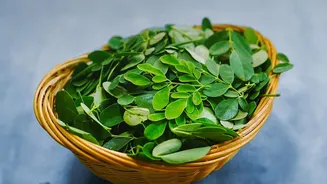
the drumstick tree in India, Moringa Oleifera has been a staple in South Indian kitchens for centuries. While the drumstick pods are famously used in curries and sambar, it's the small, vibrant green leaves that are gaining global recognition as a 'superfood'. Packed with an incredible density of nutrients, moringa leaves have a slightly earthy, peppery taste reminiscent of radish or arugula, making them a unique addition to the palette of greens we regularly consume. For generations, these leaves have been used not just in food but also in traditional medicine, valued for their immense health benefits.
A True Nutritional Powerhouse
The hype around moringa is well-deserved. Its leaves are exceptionally rich in essential nutrients. Gram for gram, they are reported to contain more Vitamin C than oranges, more Vitamin A than carrots, more calcium than milk, and more iron than spinach. This makes moringa an excellent food for boosting immunity, supporting bone health, and improving energy levels. It is also a source of complete protein, containing all nine essential amino acids, and is packed with antioxidants that help fight inflammation and cellular damage. Its potential benefits include helping to maintain healthy blood sugar levels and supporting overall cardiovascular health.
Fresh Leaves: Beyond the Usual Thoran
If you have access to fresh moringa leaves, you have a versatile ingredient at your fingertips. While a simple stir-fry (thoran) with coconut is a classic, the leaves can be incorporated into many other dishes. Think of them as a substitute for spinach or fenugreek leaves. You can finely chop and mix them into the dough for parathas, chapatis, or theplas for a nutritious twist. They can be added to dal in the last few minutes of cooking, wilting into the lentils and boosting their nutritional value. For a quick breakfast, whisk chopped moringa leaves into your eggs for a vibrant, nutrient-packed omelette or scramble. They also make a fantastic addition to savoury pancakes or uttapams.
The Convenience of Moringa Powder
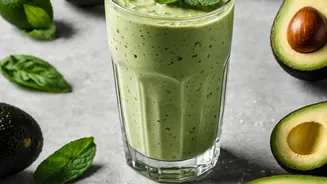
For many, moringa powder is a more accessible and convenient option. Made from dried and ground moringa leaves, this fine, bright green powder can be added to a vast array of foods and drinks. Its flavour is more concentrated, so it's best to start with a small amount—about half a teaspoon—and adjust to taste. One of the easiest ways to use it is by blending it into smoothies, where its earthy taste is balanced by fruits like banana and mango. You can also whisk it into salad dressings, mix it into hummus or other dips, or even stir it into soups and stews just before serving to preserve its nutrients. Some even add a spoonful to their morning yogurt or oatmeal.
Simple Ways to Get Started
Ready to try it? Start simple. Make a revitalising moringa tea by steeping the powder or dried leaves in hot water with a dash of honey and lemon. For a quick lunch, try making Moringa Dal by adding a handful of fresh leaves to your regular moong or toor dal. Another easy entry point is a tropical smoothie: blend one banana, a cup of mango chunks, a cup of coconut water, and a teaspoon of moringa powder for a refreshing and energising drink. You can also elevate your regular avocado toast by mashing in a pinch of moringa powder with a squeeze of lime juice.
A Few Words of Caution
Moringa is generally safe when the leaves and pods are consumed as food. However, because it can have a mild laxative effect and a strong flavour, it's wise to introduce it into your diet gradually to allow your digestive system to adjust. High doses may cause stomach upset. People with diabetes or high blood pressure who are on medication should consult a doctor before making moringa a regular part of their diet, as it may lower blood sugar and blood pressure. Additionally, it's recommended that pregnant women avoid moringa, as certain parts of the plant, particularly the root and bark, may cause uterine contractions.