

The Power of a Proper Label
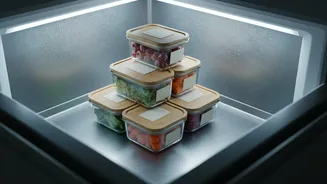
A few seconds spent labeling a container before it enters the freezer can save you immense time, money, and frustration down the line. It's a simple habit that transforms your freezer from a food graveyard into a functional, cost-saving extension of your pantry.
Effective labeling helps reduce food waste by making sure you know what you have and when it needs to be used. It also ensures food safety and quality, preventing you from accidentally eating something that has languished for too long. Ultimately, it makes meal planning effortless; a quick glance is all you need to pull together dinner, rather than a frustrating archaeological dig.
Essential #1: The Dish Name
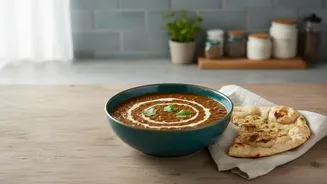
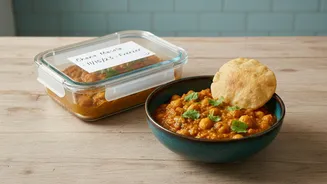
“Chicken” is a start, but it’s not enough. Is it chicken soup, a whole roasted chicken, or spicy chicken curry? Being specific on the label is crucial for meal planning. It prevents the disappointment of thawing what you thought was a hearty stew only to find it's a simple broth. Clear, descriptive names help everyone in the household understand what's available, empowering them to find their own meals. If you live with people who have allergies or dietary preferences, adding extra details like “contains nuts” or “gluten-free” is also a smart and considerate practice. Taking the time to be precise turns a mystery package into a clear and appealing meal option.
Essential #2: The Date
The date is arguably the most critical piece of information for both food quality and safety. It’s important to understand that dates on food are typically about peak quality, not safety (with the exception of infant formula). When you label homemade food, the date you froze it is non-negotiable. This allows you to practice the 'First-In, First-Out' (FIFO) method used in professional kitchens, ensuring you use up older items before they lose their flavour and texture. While properly frozen food is safe indefinitely from a foodborne illness perspective, its quality degrades over time. As a general guide, soups and stews are best within 2-3 months, while ground meat should be used within 3-4 months. A date stamp prevents you from letting good food go to waste.
Essential #3: The Portion Size
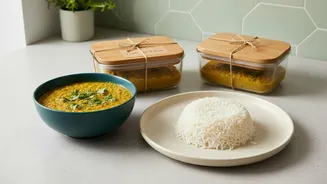
Including the portion size on your label is the key to unlocking true meal prep convenience. It’s the difference between grabbing a perfect single serving for a quick lunch or accidentally thawing a family-sized portion for one person. Noting whether a container holds “1 serving,” “4 servings,” or “8 enchiladas” makes mealtime decisions fast and efficient, preventing unnecessary food waste. This practice is also a cornerstone of portion control for anyone managing their diet or health goals. It takes the guesswork out of serving sizes and ensures you’re eating exactly the amount you intended, helping with everything from weight management to simply making your prepared meals last longer.
Beyond the Basics: Pro-Level Labeling
Once you have the three essentials down, a few extra details can elevate your freezer game. Adding reheating instructions—such as “Thaw overnight, bake at 180°C for 25 mins”—is a gift to your future self, removing any guesswork on a busy weeknight. You might also include a “use-by” date, which is your personal estimate for when the item should be consumed for best quality. Some people even use a colour-coding system with different coloured labels or markers to categorise foods, such as green for vegetables, red for meat, and blue for fish, allowing for at-a-glance identification.
The Right Tools for the Job
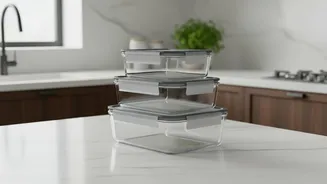
Your system is only as good as the tools you use. Regular labels and pens often fail in the cold, moist environment of a freezer, with adhesives peeling and ink smudging. For best results, use labels and markers specifically designed for freezer use. A permanent marker like a Sharpie is a reliable choice that writes well on most surfaces. Alternatively, grease markers (or china markers) are excellent for writing directly on glass or plastic containers and can be removed with a simple eraser. Always try to apply the label and write on it before freezing, while the container is clean, dry, and at room temperature, to ensure the best adhesion and legibility.