




A startling series of technical failures has disrupted air travel, banking, and even classified government networks, sparking public concern. The White House, however, is adamant: these are separate incidents, not a coordinated cyberattack.
A Week of Widespread Disruptions
Over the past
week, Americans have faced a cascade of high-profile service outages. The trouble began with a nationwide ground stop issued by the Federal Aviation Administration (FAA), which halted thousands of flights for hours—the longest such disruption since 9/11. The FAA later attributed the failure to issues with a router during an upgrade. This was followed by disruptions at major financial institutions, including Chase Bank, which reported delays in transaction processing due to a software error. The wave of failures also hit the private tech sector, with Microsoft, Apple, and United Airlines all reporting separate, temporary outages. Adding to the anxiety, the National Security Agency (NSA) confirmed a 'temporary degradation' of its classified internal communications network during what it called 'routine maintenance'. Even the Department of Agriculture reported a cybersecurity incident that affected payment systems for farmers.
The Official Explanation: Coincidence, Not Conspiracy
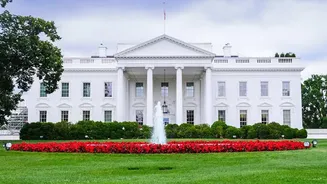
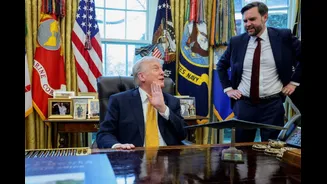
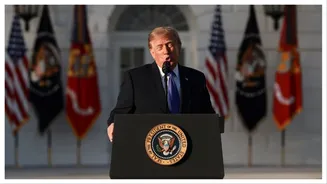
In response to growing public anxiety and rampant social media speculation, the Trump administration has presented a unified front. Top officials, including Director of National Intelligence Jay Clayton and National Security Adviser Marco Rubio, have repeatedly stated there is no evidence linking the events. 'We have zero evidence or any reason to believe at all that any of these isolated or individual instances have anything to do with nefarious actors,' Rubio stated. Testifying before the House Homeland Security Committee, Clayton was unequivocal: 'These are separate service outages associated with maintenance and technical changes. They are not a coordinated or state-sponsored attack'. The official narrative is that many of the glitches occurred as companies and agencies were in the process of upgrading aging systems or patching vulnerabilities. Clayton warned that Americans should brace for more such 'glitches, gaps, [and] interruptions in service' as this necessary modernization continues.
Public Skepticism and the Trust Deficit
Despite the administration's assurances, a climate of skepticism persists. The sheer number of failures in such a short period has led many to question whether it could all be a coincidence. The situation has fueled conspiracy theories online, with some commentators falsely claiming the government was hiding a coordinated cyberattack. Even some officials within the Federal Emergency Management Agency (FEMA) have privately expressed concern, finding it difficult to believe the events are not connected. This public distrust highlights a broader challenge for the administration, as it tries to manage anxieties about the stability of the nation's critical infrastructure. Lawmakers have called on the administration to provide more detailed explanations to Congress and the public to restore confidence.
Our Aging Digital Infrastructure
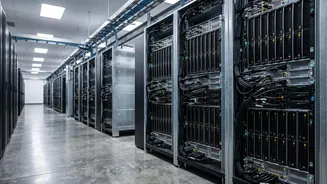
Beyond the immediate headlines, these incidents cast a harsh light on a long-simmering issue: the vulnerability of America's aging government and private-sector technology. Experts point out that many federal agencies rely on outdated systems that are difficult and risky to maintain and upgrade. The FAA's system, for example, has been described as running on old technology, and a recent report card on national infrastructure gave both the aviation and energy sectors a D+ grade. The White House's explanation that the failures occurred during upgrades inadvertently underscores this very point—the process of fixing decades-old systems is itself fraught with risk. Some commentators have also noted that a recent exodus of tech talent from the federal government may be exacerbating the problem, leaving agencies with fewer experts to manage these complex transitions.